What happened
OpenAI said on September 21 it will take advice from AGMAI on judging and publishing AI mathematical results, after an in-house model began training on August 28 and solved the Navier–Stokes Millennium Prize problem plus more than 100 long-unsolved problems.
Why it matters
OpenAI says the pace of that progress surprised its own in-house mathematicians, so the group will advise on how results are assessed and announced and whether they meet academic and professional research norms.
What to watch
The group is funded independently and can publish its advice, but it has no decision-making authority and cannot advise on how fast OpenAI pushes its internal research. Watch whether that limit holds as the group solicits the mathematics community's views.
WHO IT HITSUniversity mathematics departments and research journals stand to be most affected, since the group will advise on how AI-generated results are assessed, announced and credited. Its mandate is advisory only, so OpenAI researchers and journal editors would still decide whether findings enter the literature.
Summaries like this, in your inbox every morning.
The advisory group grew out of OpenAI asking some of its initial members to set up an external advisory committee; those members turned it into an independent body and invited others to join. It is based at the Institute for Advanced Study in Princeton and was announced in part through a guest post on the blog of Fields Medalist Terence Tao.
The group starts with nine members. Its ranks include Cambridge professor Sir Timothy Gowers and Martin Hairer, who holds posts at EPFL and Imperial College London — both Fields Medal winners.
The backdrop includes friction over credit. A New York University mathematician who had been working on related research issued a statement questioning how the Navier–Stokes work was handled, and OpenAI pushed back, turning it into a dispute. In October 2025, a post by an OpenAI executive claiming GPT-5 had solved an Erdős problem drew criticism and was deleted.
What the arrangement ultimately achieves may hinge on how much weight OpenAI gives to advice it cannot be forced to accept, and on whether the group's public statements change how quickly and carefully AI mathematical results reach journals and get proper citation.
For example, today's edition would include:
AI-summarized, only the topics you pick — one digest a day via Email, LINE, or Slack.
Free · 30 seconds with Google · unsubscribe anytimeWhat is AIToday? →
Ask AI anything about this article. Q&As are published on this page for other readers too.
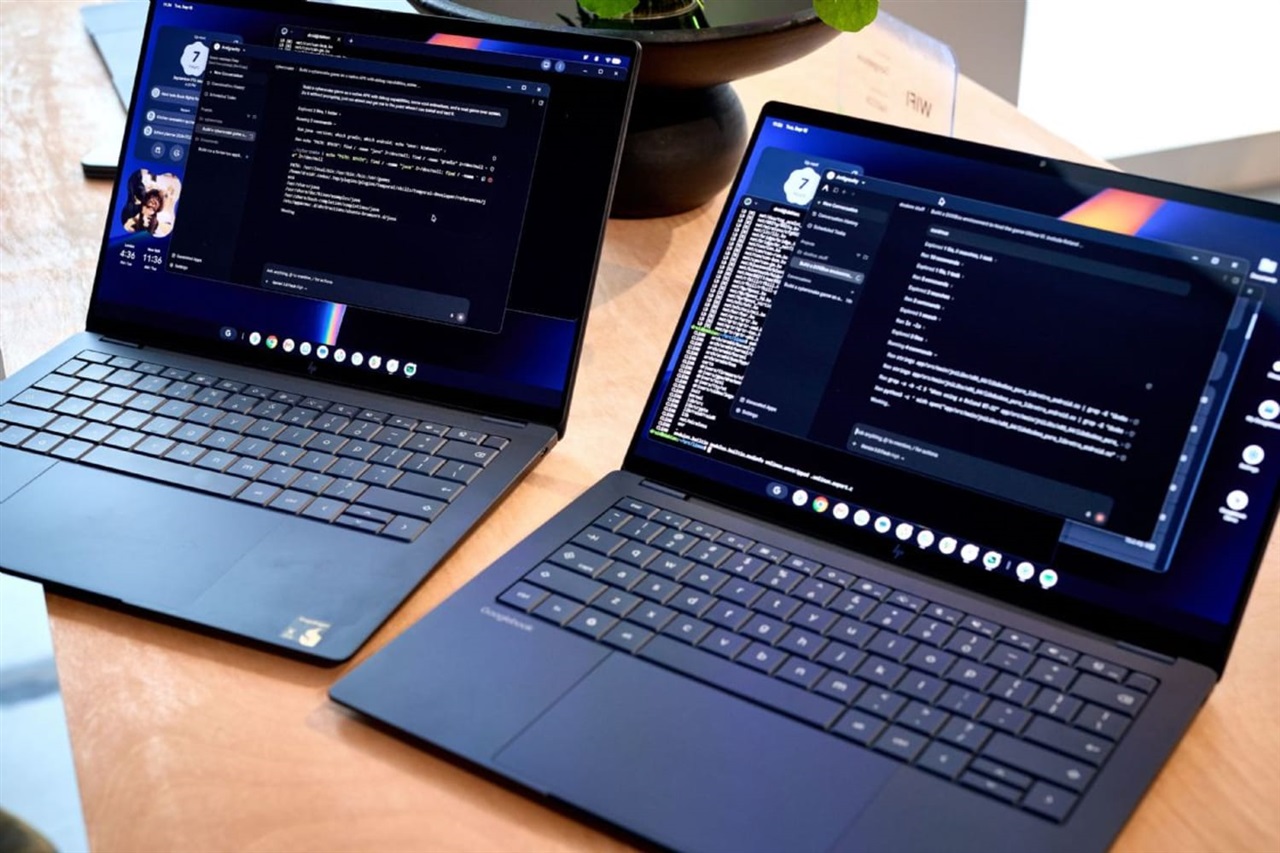
Google opened preorders for the first Googlebook models, priced from US$899
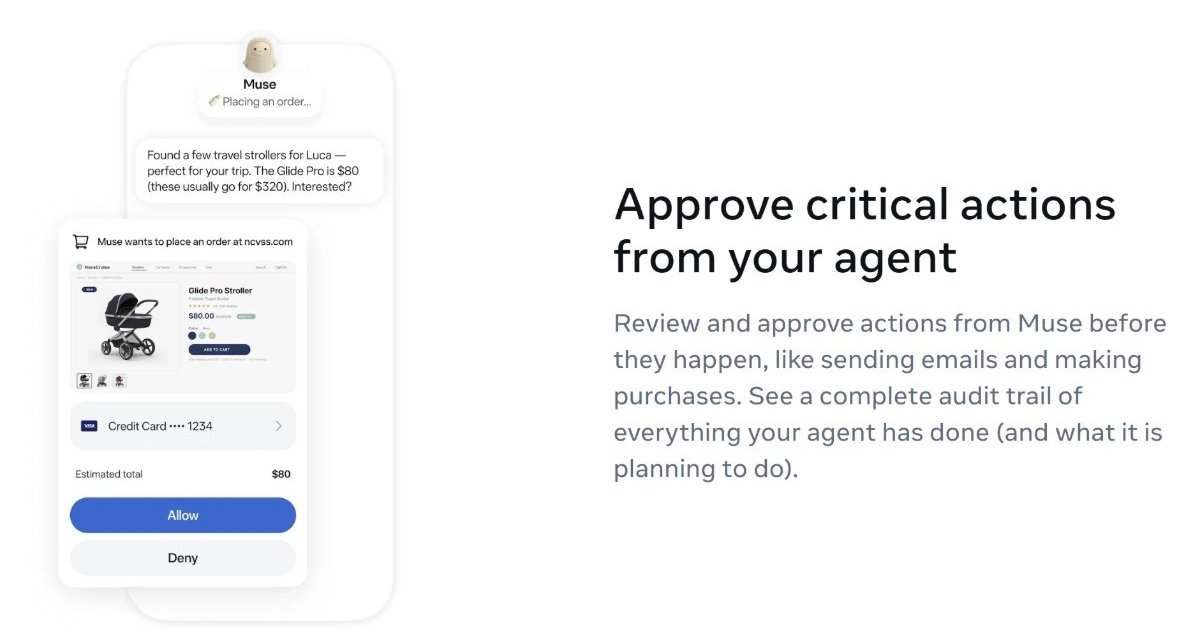
Amazon blocked Meta's AI agent Muse from shopping on Amazon.com, GeekWire reported September 20
OpenAI published a September 21 blog, "Building standards for the next phase of AI," proposing US-led internat…
SpaceX introduced Grok 4.7, which averaged $4.69 per task on CursorBench 4.0, ahead of GPT-5.6 Sol and Fable 5…

Headwaters began offering SyncLect Agent Garden on September 18, 2026, drawing on Teams meetings and existing…

Kewpie used Devin, an AI agent from Cognition AI supplied through DeNA AI Link, to write Plant Simulation mode…