What happened
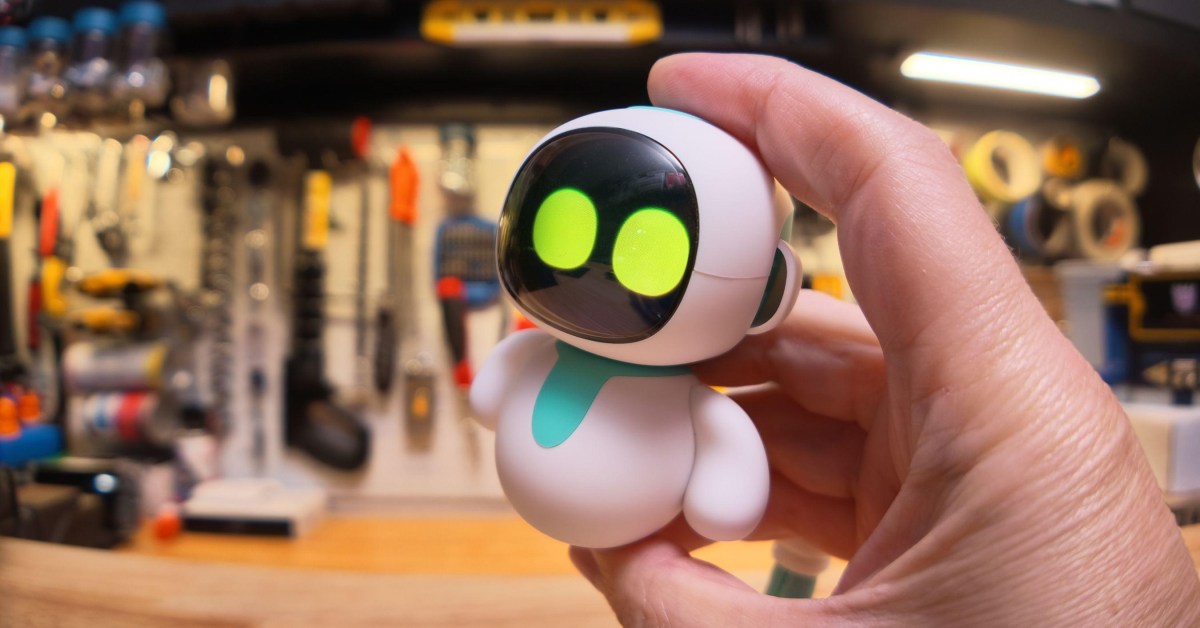
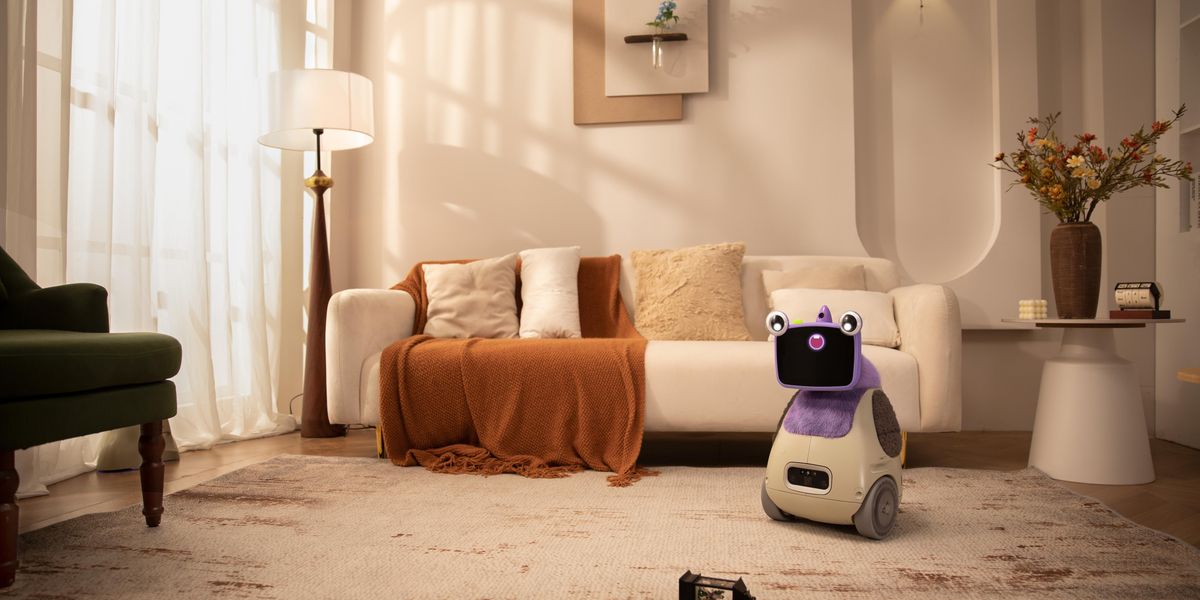
Ollobot introduces OlloNi SS1, an AI family companion robot designed for proactive, emotion-oriented interaction. It features on-device AI, fall detection, a 5-meter voice capture range, and up to 12 hours of standby time.
Why it matters
Early companion robots failed due to limited functionality, often ending up unused. The new generation, informed by psychological research, aims to fill emotional voids rather than just automate tasks, addressing loneliness among elderly, children of migrant workers, and single urban professionals.
What to watch
The global AI companion market is projected to grow from $48 billion in 2026 to $318 billion by 2033, a 31 percent CAGR. The SS1 includes a physical privacy cover for its camera, addressing data security concerns.
Summaries like this, in your inbox every morning.
The companion robot category emerged around 2017 with devices that had personality and mobility, but they were limited by simple voice commands. When the novelty faded, many were shelved, and some owners felt a deep loss when companies shut down their servers. This history frames Ollobot's new approach, which prioritizes emotional connection and long-term coexistence over human imitation.
The OlloNi SS1 addresses specific pain points: proactive interaction for the elderly, a consistent companion for children of migrant workers, and ambient presence for single professionals. Its on-device AI processing, with 16 GB of memory and 64 GB of local storage, enables low-latency responses and household memory. The robot's behavioral model improves over time, learning routines and recognizing emotional cues. This personalization, where each unit becomes meaningfully different based on its household, is what early models lacked and could determine whether it earns a permanent place in homes or ends up on a shelf.
Pick your industry and the AI tools you use, and get news related to your work every day.
Free · 30 seconds with Google · unsubscribe anytimeWhat is AIToday? →
Ask AI anything about this article. The AI reads this article, earlier AIToday articles, and Wikipedia, and cites its sources. Q&As are published on this page for other readers too.
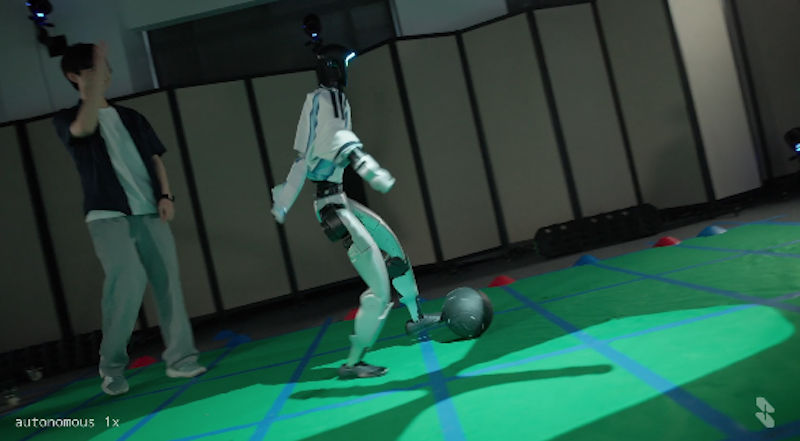
Skild AI used Nvidia Isaac Sim to give its S1 model one objective — score a goal — and let it compete against…
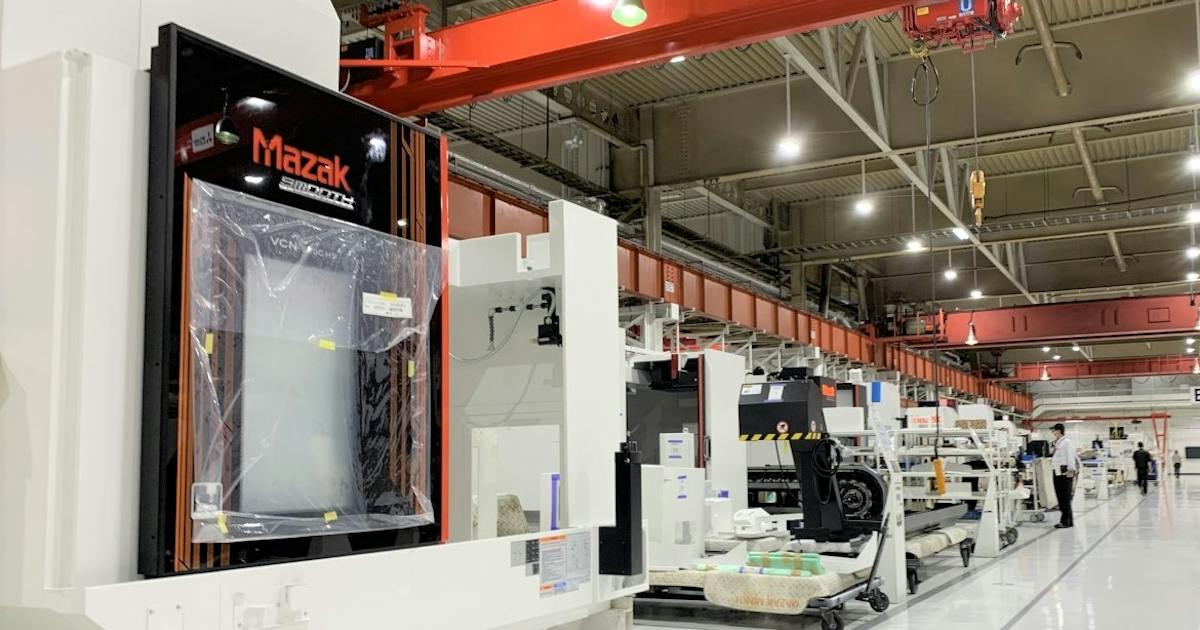
Yamazaki Mazak and ABEJA said on the 16th they will start joint development of physical AI, using ABEJA's ABEJ…
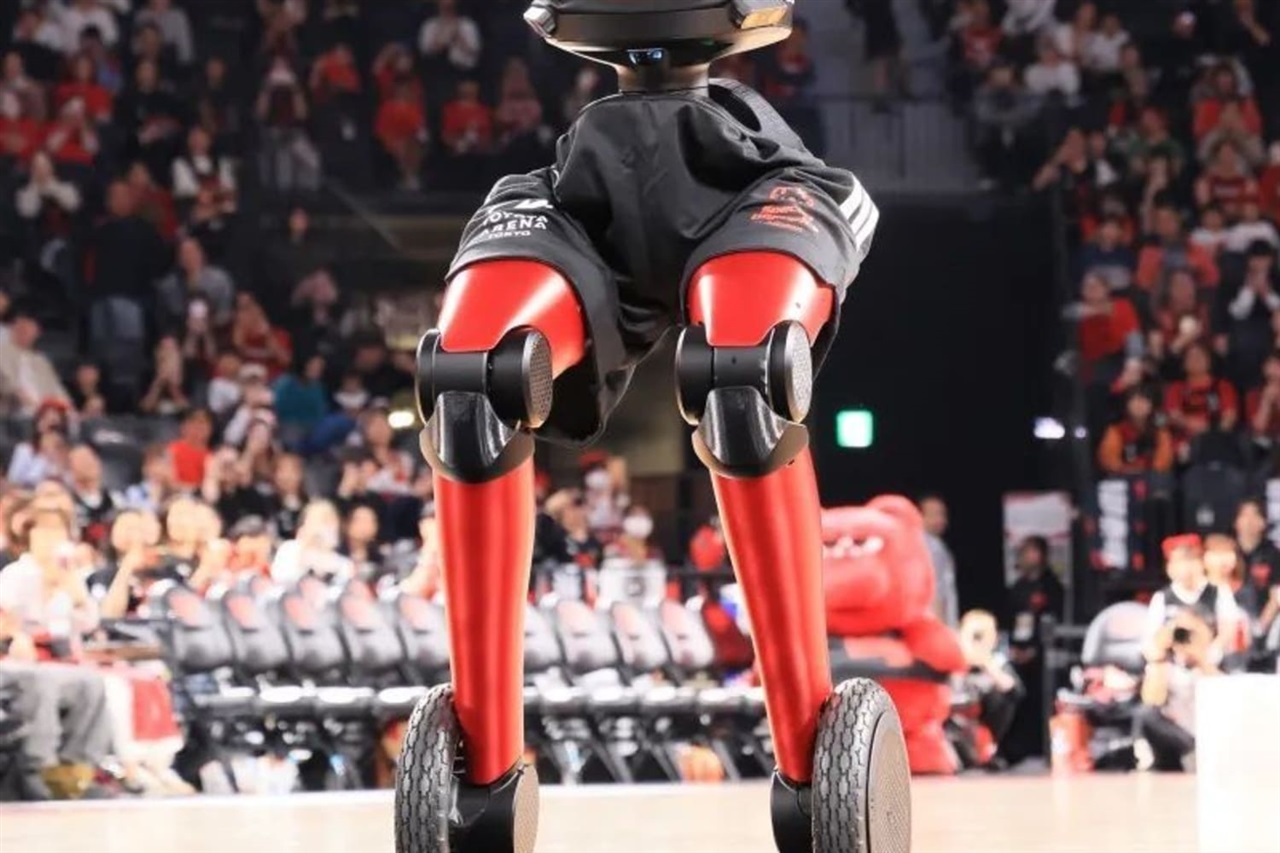
Toyota Motor's Japan Mobility Show Bizweek 2026 booth centers on its AI basketball robot CUE7, has no other ex…
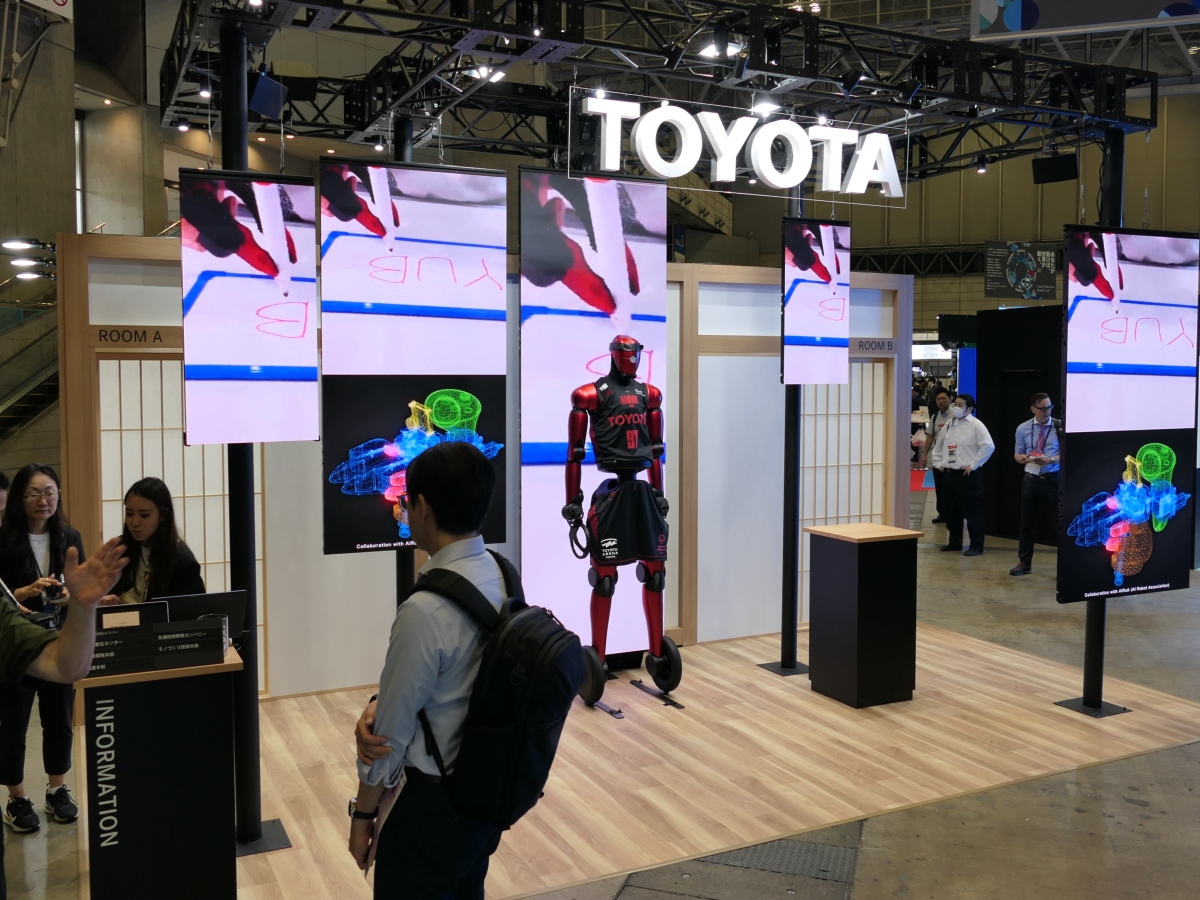
Japan Mobility Show Bizweek 2026 showcased Physical AI applications, including Toyota's basketball-playing rob…
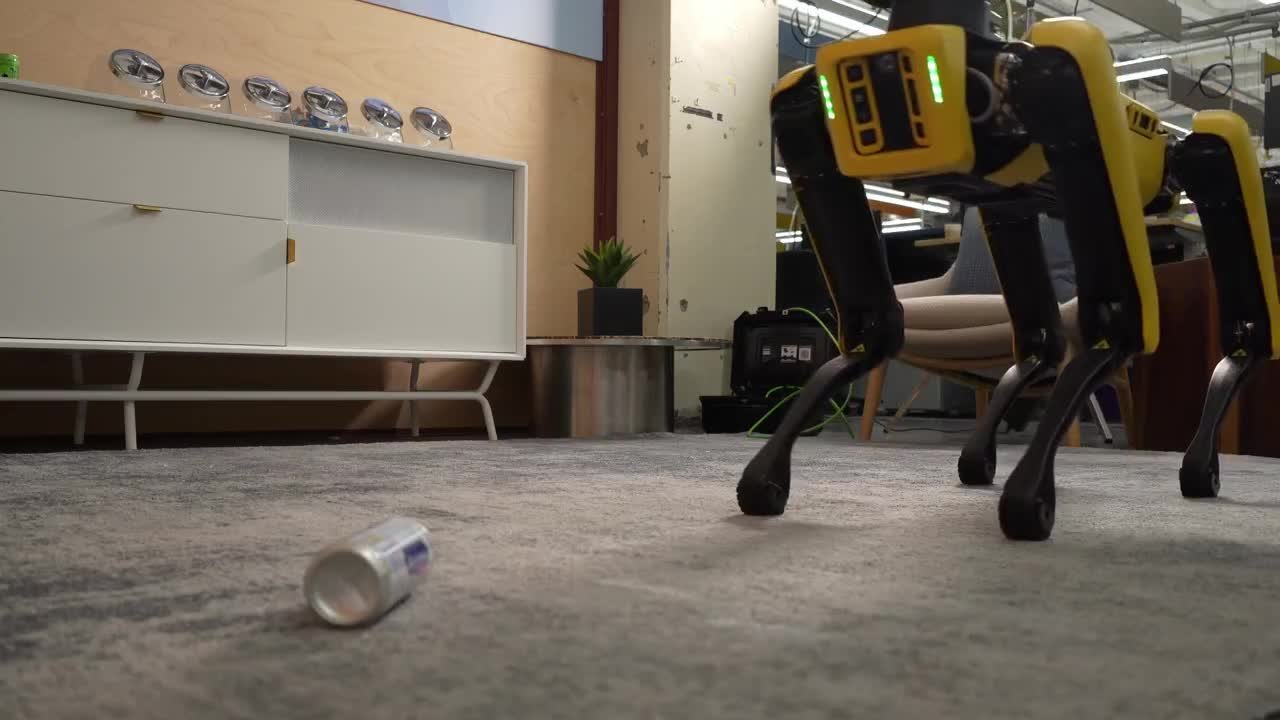
Google pitched Gemini 4 Argon as one model for robot control, simulation and training-data review, saying it s…
Researcher Sammy Azdoufal discovered Energize Lab's Eiliko robot stores 13 million conversations from 68,000 t…