What happened
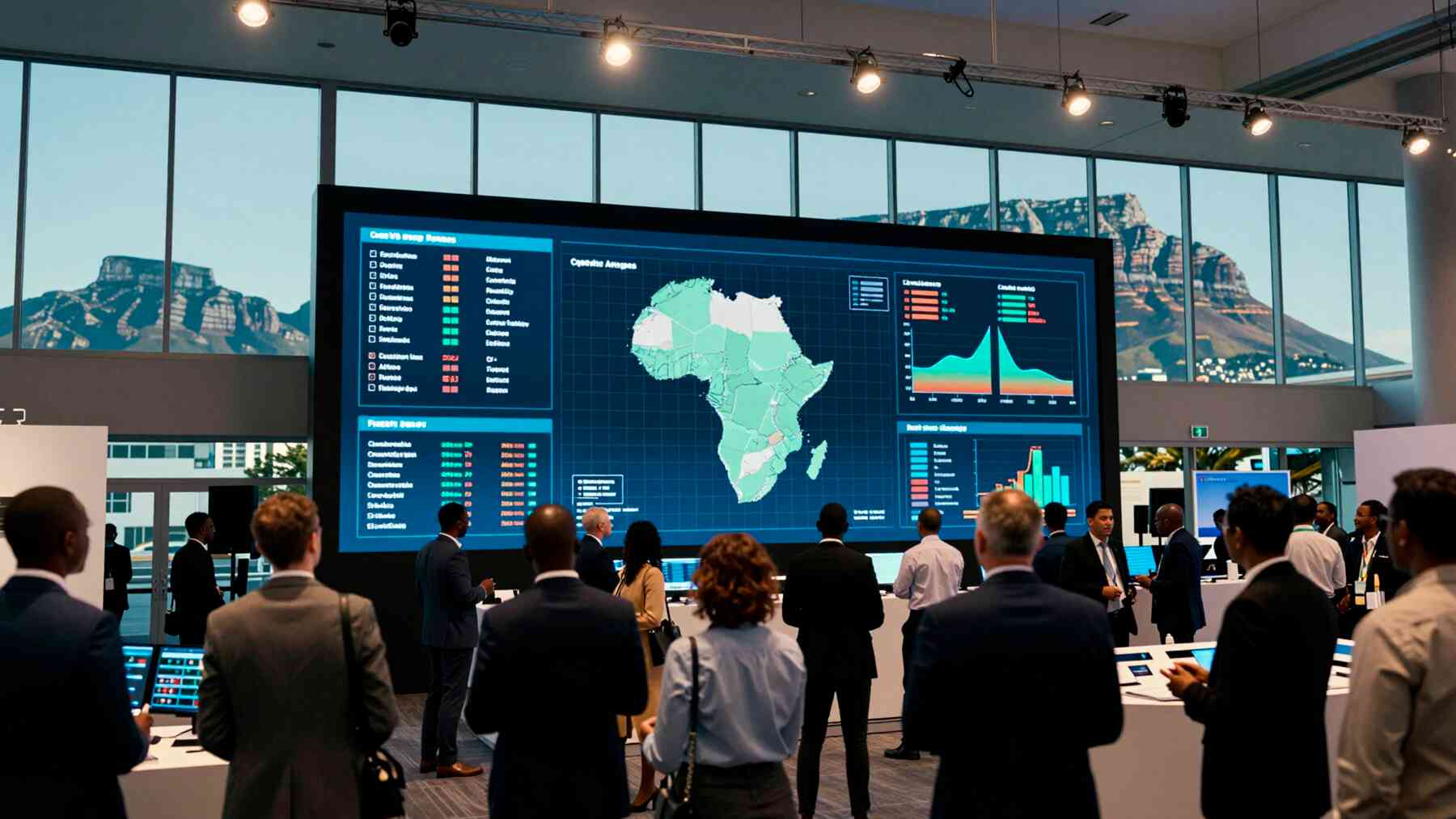
GE Vernova presented CERius™, an AI-powered decarbonization platform, at the Africa Energy Forum in Cape Town on June 17, 2026. The platform was validated at Tunisia's Sousse B power plant, where testing confirmed high consistency in emissions monitoring and estimated potential cost savings of up to 50% for related investment and maintenance.
Why it matters
African nations are scaling renewable energy but face grid instability risks, while the EU's Carbon Border Adjustment Mechanism (CBAM) now exposes exporters without real-time emissions data to direct tariff penalties. CERius™ provides auditable, CBAM-compliant emissions data and enables reliable grid operation—addressing both the clean energy transition and export competitiveness challenges African manufacturers face.
What to watch
GE Vernova released a whitepaper on grid resilience lessons from Spain's 2025 blackout, recommending aeroderivative gas turbines, synchronous condensers, and advanced power electronics to maintain frequency and voltage stability as renewable penetration increases. The company is positioning itself as a long-term partner with more than 125 years of African infrastructure relationships.
Summaries like this, in your inbox every morning.
Africa's industrialization is accelerating, but the continent faces a dual energy challenge: building renewable capacity while maintaining grid reliability and meeting export emissions standards. Many African nations have begun scaling renewables, yet the variability they introduce creates cascading failure risks—a problem underscored by GE Vernova's whitepaper reference to Spain's recent grid failure. Simultaneously, the EU's Carbon Border Adjustment Mechanism has shifted the cost of emissions compliance onto exporters, making real-time, auditable emissions data a business necessity rather than an option.
GE Vernova's presentation of CERius™ as a software-driven monitoring solution directly targets this intersection. By validating the platform at Tunisia's Sousse B power plant and demonstrating a potential 50% reduction in monitoring and maintenance costs, the company has provided a concrete proof point that emissions management need not be capital-intensive or hardware-dependent. The platform's ability to generate CBAM-compliant data gives African manufacturers a traceable path to European export markets while avoiding tariff exposure.
The company's emphasis on interconnected solutions—generation, grid-firming hardware, and digital capability—suggests a shift away from selling standalone products. Over 125 years of African partnerships position GE Vernova as a long-term player, but the real strategic value lies in bundling AI-driven emissions compliance with grid resilience engineering. African planners are being advised to build these capabilities in from the start, not retrofit them later, aligning GE Vernova's hardware and software offerings with the infrastructure decisions that will shape the continent's energy transition.
Pick your industry and the AI tools you use, and get news related to your work every day.
Free · 30 seconds with Google · unsubscribe anytimeWhat is AIToday? →
Ask AI anything about this article. The AI reads this article, earlier AIToday articles, and Wikipedia, and cites its sources. Q&As are published on this page for other readers too.
Wells Fargo hired an AI executive based in San Francisco, a move The Business Journals describes as part of em…

Amazon launched two Bee "personal AI" devices on Thursday: the $74.99 Bee Frontier wristband and the $99.99 Be…

Apple released MLX today, which runs the 816B-parameter Muse Spark Open on four Mac Studios at over 36 tokens…

Bloom Energy stock fell 4% to $229.83, still up 165% year to date, while Caterpillar slipped 3% to $727.55 and…
LogicMonitor announced its 2026 Elevate Award winners at its Elevate Community Conference in Chicago, honoring…

Sandisk, AMD shares fall as Anthropic adds to AI concerns, per Barron's