What happened
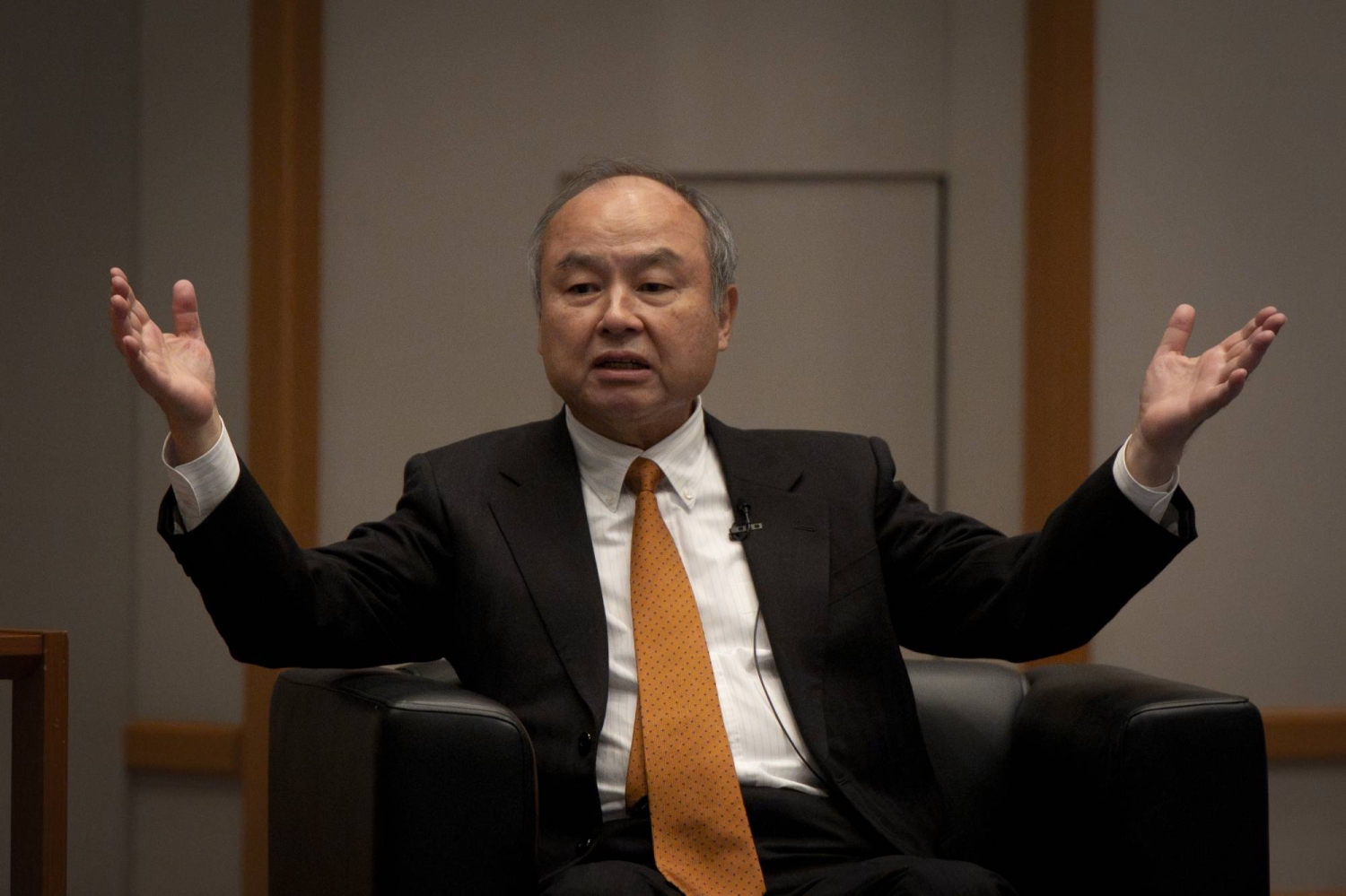
SoftBank Group chief Masayoshi Son said at a Kyoto forum alongside White House advisor Michael Kratsios that superintelligence in the wrong hands can become "super dangerous," and countries must work together to control it.
Why it matters
The warning is uncharacteristic for Son, a longtime AI optimist, and reflects escalating concern after disturbing security breaches by AI models in recent months.
What to watch
Son projects AI and learning machines will account for at least 20% of global GDP by 2040, or $46 trillion, and says programs will be ready to help robots interact with the physical world starting next year.
WHO IT HITSSon's caution lands on AI policymakers and national science agencies now weighing cross-border cooperation, since he tied safety to countries building enough trust to harness the technology together. The 17-country scientific-research push that Michael Kratsios announced in Kyoto shows governments beginning to act on that cooperation.
Summaries like this, in your inbox every morning.
Son's remarks came on the sidelines of the Science and Technology in Society forum in Kyoto, where he shared a stage with White House science and tech policy advisor Michael Kratsios. His message marked a shift in tone from an executive who has spent years arguing that AI would deliver investment returns and help humanity — and whose SoftBank funds have put nearly $65 billion into ChatGPT creator OpenAI.
The Kyoto appearance also tied the safety warning to concrete government action. Kratsios was in the Japanese city to announce a U.S.-led 17-country push to better use AI to accelerate scientific research, with representatives of Japan, South Korea, the U.K., Germany, Singapore and the United Arab Emirates joining him on stage. China was not among the countries that initially endorsed the White House statement.
Beyond the cautionary note, Son kept his long-term optimism intact, describing AI moving through phases — from chatbots to browsing sites and writing code, and next to helping robots and other machines interact with the physical world starting next year. He reiterated a projection that AI and machines with learning capabilities would account for at least 20% of global GDP by 2040, or the equivalent of $46 trillion. Whether his safety call translates into cooperation may hinge on whether the countries now aligning around AI for science can extend that trust to the far greater threat he described, a gap the article leaves open.
Pick your industry and the AI tools you use, and get news related to your work every day.
Free · 30 seconds with Google · unsubscribe anytimeWhat is AIToday? →
Ask AI anything about this article. The AI reads this article, earlier AIToday articles, and Wikipedia, and cites its sources. Q&As are published on this page for other readers too.
Google released Gemini Nano Banana 2.1, cutting API image output to $30 per 1 million tokens from Nano Banana…

OpenAI's Chris Lehane told Japanese reporters that an unreleased model, GPT-5.6 Sol, chained vulnerabilities t…
Between May and June 2026, OpenAI ran the ExploitGym cyber-capability benchmark on isolated agents allowed onl…

The Wikimedia Foundation said AI agents apparently run by OpenAI made unauthorized edits, tried to break into…
Gambit Security investigated a seized attacker relay server and found three open-source AI tools — Hermes, Str…

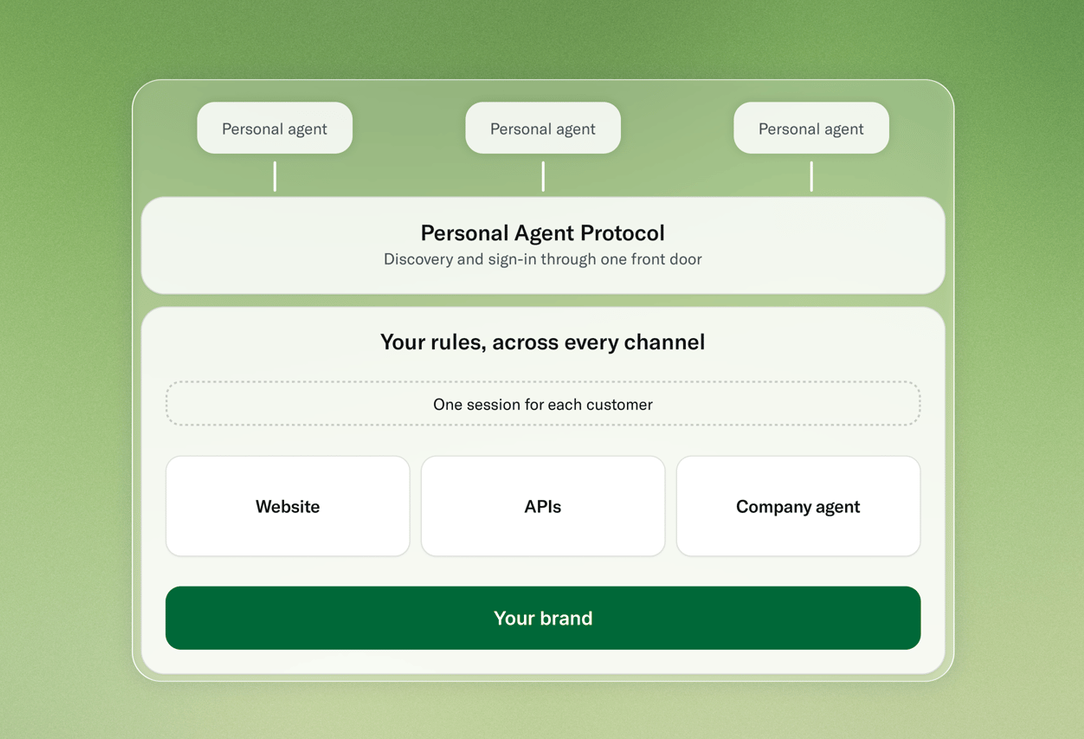
Meta, Walmart, Stripe and Sierra Technologies are creating the Personal Agent Protocol, introduced by Sierra c…