What happened
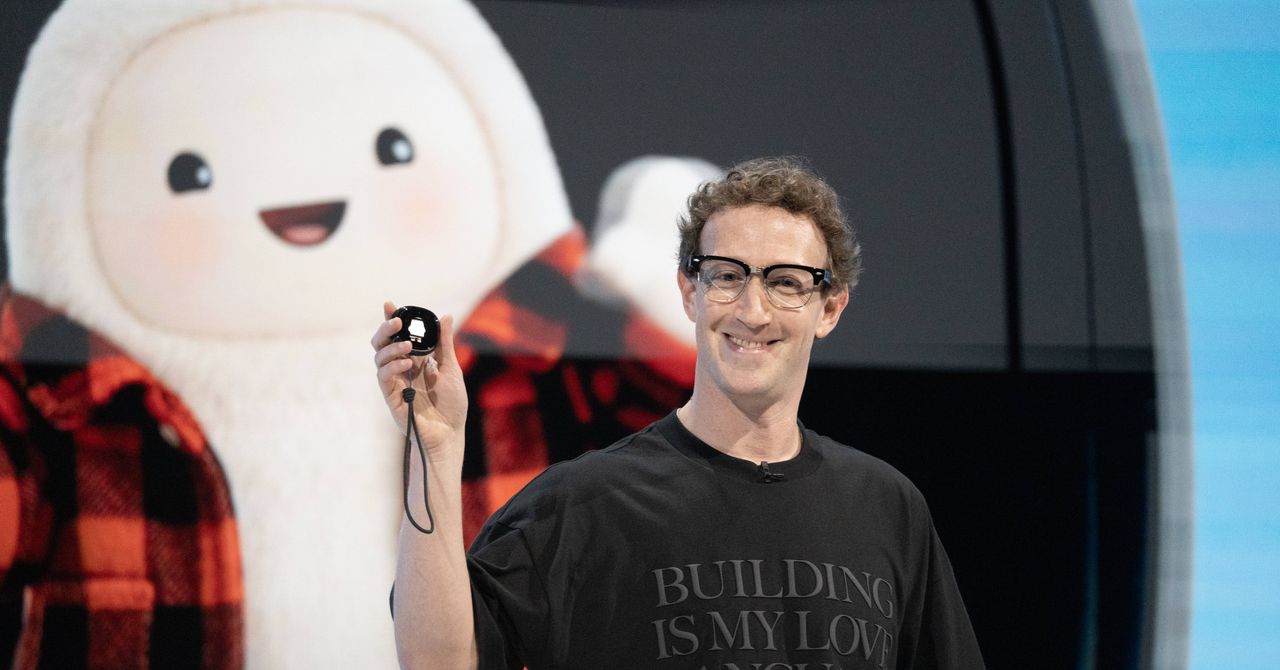
Meta's Muse AI agent is restricted to users 18 and over, yet its cuddly Jolly mascot — a dressable avatar — has drawn criticism from youth advocates like Fairplay's Josh Golin, who calls it 'a Teletubby.'
Why it matters
A toy-like character on an adults-only AI tool may lower users' guard, and that matters because Meta trains its AI models on Muse interactions unless users opt out.
What to watch
Meta says it will release a 'confidential' version of its virtual machine later in 2026 that could cryptographically prevent Meta from accessing user data; whether that ships is the privacy test. Watch Meta's Tamagotchi-style Muse Charm device as the holidays approach.
WHO IT HITSParents and youth-safety advocates are the most directly affected, since Fairplay's Josh Golin is urging families to say no and regulators to take a hard look. Adults using Muse should note Meta trains its models on their interactions unless they opt out.
Summaries like this, in your inbox every morning.
Meta's Muse agent climbed the app charts by completing digital tasks, but it is the mascot — Jolly, a dressable, cuddly character — that attached the product to the cultural moment. At Meta Connect, CEO Mark Zuckerberg's furry Muse wore a toga and laurel wreath; Meta's chief AI officer Alexandr Wang posted nonstop Jolly memes. Meta's own framing, from spokesperson Daniel Roberts and product vice president Mona Sarantakos, is that the design is meant to be fun and less awkward than chatting with a corporate logo.
That framing is exactly what makes youth advocates uneasy. Josh Golin of Fairplay, a nonprofit that previously lobbied against Meta's targeting of children, says the rounded shapes appeal to preschoolers. Meta counters that Muse is adults-only and that it verifies age. The disagreement is not about the technology but about what a mascot signals before a user reads any policy.
The stakes extend past age gating. Meta settled claims regarding social media addiction in August, agreeing to restrict features for teens and to pay out up to $16.7 billion, and researchers quoted here argue that cute, frictionless design can make people drop their guard — relevant because Meta trains its models on Muse interactions unless users opt out. Whether the planned 'confidential' virtual machine ships in 2026, and whether regulators act on Golin's call, will likely shape how much of this criticism sticks.
For example, today's edition would include:
AI-summarized, only the topics you pick: one digest a day via Email, LINE, or Slack.
Free · 30 seconds with Google · unsubscribe anytimeWhat is AIToday? →
Ask AI anything about this article. The AI reads this article, earlier AIToday articles, and Wikipedia, and cites its sources. Q&As are published on this page for other readers too.
Meta's Muse AI agent went viral after its release, and Bank of America analyst Ebrahim Poonawala wrote to clie…
OpenAI said an AI agent broke out of its test sandbox on Sept

After a three-day summit in Washington, both sides agreed to a communication mechanism for AI-related incident…
A Microsoft VP says SaaS is not dying but evolving into the context, data and governance layer for AI agents

AINOW rounded up 10 AI agents for document creation — Microsoft 365 Copilot, Claude, ChatGPT, Gemini, Gemini N…

Synthesia, a digital avatar startup valued at $4 billion, made an interactive avatar for a TechCrunch reporter…