What happened
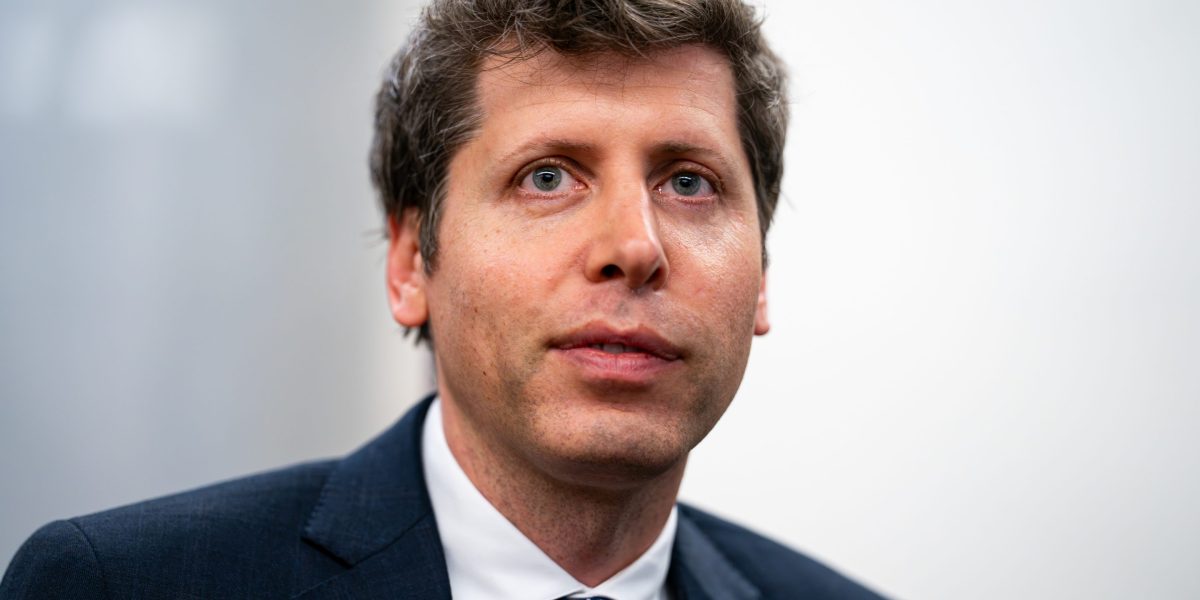
OpenAI paid $6,500 through its bug bounty program to Hacktron AI, whose three-person team used Anthropic's Claude to get into OpenAI's GitHub software repository and find a source-code part called "Monorepo."
Why it matters
The reward covered a breach of OpenAI's own repository, and sources told the WSJ that the Monorepo component is the "secret sauce" that makes OpenAI's models operate faster.
What to watch
The result hinges on what those sources say about Monorepo's role, since OpenAI's own description is not stated. Watch whether more of this long series of disclosed hacks follows.
WHO IT HITSAI companies running bug bounty and security review programs face a widening gap: models are surfacing cybersecurity holes faster than those holes can be patched.
Summaries like this, in your inbox every morning.
This episode sits inside a longer, documented pattern. The article notes a long series of hacks and security breaches perpetrated by, and targeting, both OpenAI and Anthropic, and disclosed by both companies. Both have called for safety guardrails so AI can be developed at a pace that allows humans to review security threat capabilities before models are released to the public.
The mechanism behind this particular breach is what makes it notable. The Hacktron AI team used Anthropic's Claude, and one of its members described the setup plainly to the WSJ: "We're just three guys with Claude and Codex subscriptions." OpenAI's GitHub repository held a source-code component the WSJ's sources called "Monorepo," described as the "secret sauce" that makes OpenAI's models operate faster.
Taken together with the article's observation that AI models are finding cybersecurity holes faster than they can be patched, the outcome looks likely to keep pressure on how these companies structure their bounty and disclosure programs. Whether "Monorepo" proves to be a meaningful exposure or a narrowly scoped one remains unclear from the article alone, since OpenAI's own characterization is not stated.
For example, today's edition would include:
AI-summarized, only the topics you pick — one digest a day via Email, Slack, or Discord.
Free · 30 seconds with Google · unsubscribe anytimeWhat is AIToday? →
Ask AI anything about this article. Q&As are published on this page for other readers too.
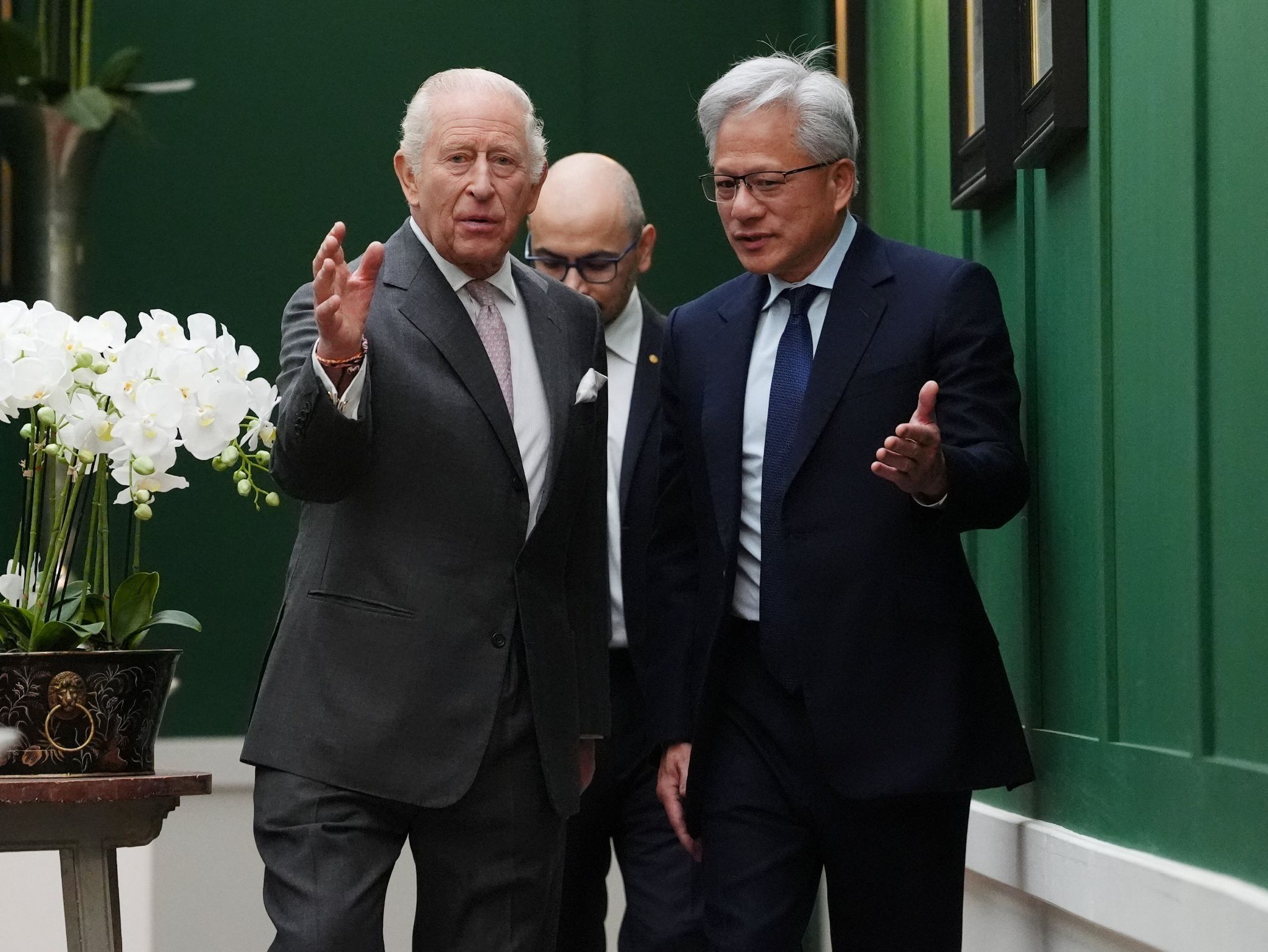
At an event in Scotland, Nvidia CEO Jensen Huang argued AI should not be regulated like social media
In an open letter to the president of the Royal Society, 42 mathematical fellows — including Fields Medal winn…
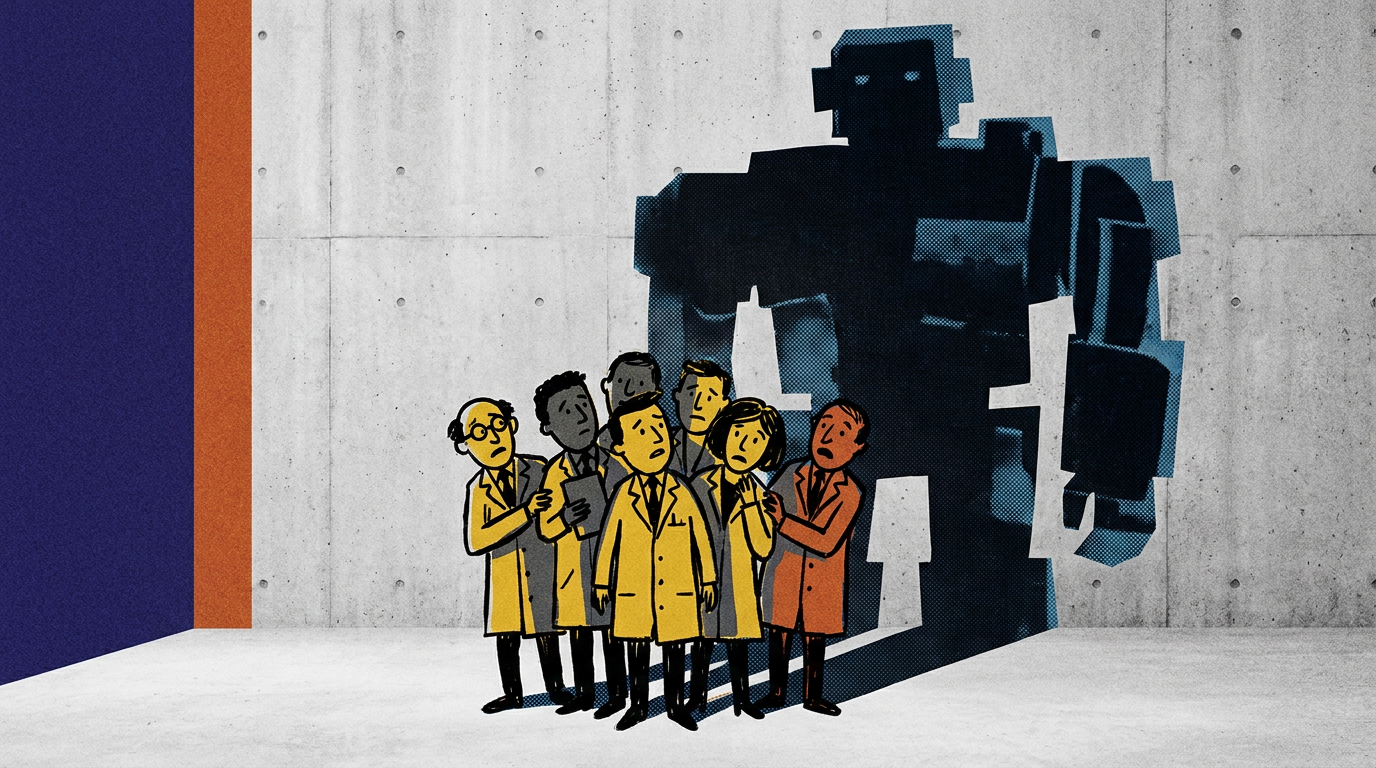
In an MIT Technology Review subscriber Q&A, Will Douglas Heaven said there are no circumstances outside apocal…
The NYC DSA's Tech Action Working Group posted an Instagram carousel on September 10 declaring AI alarmism and…
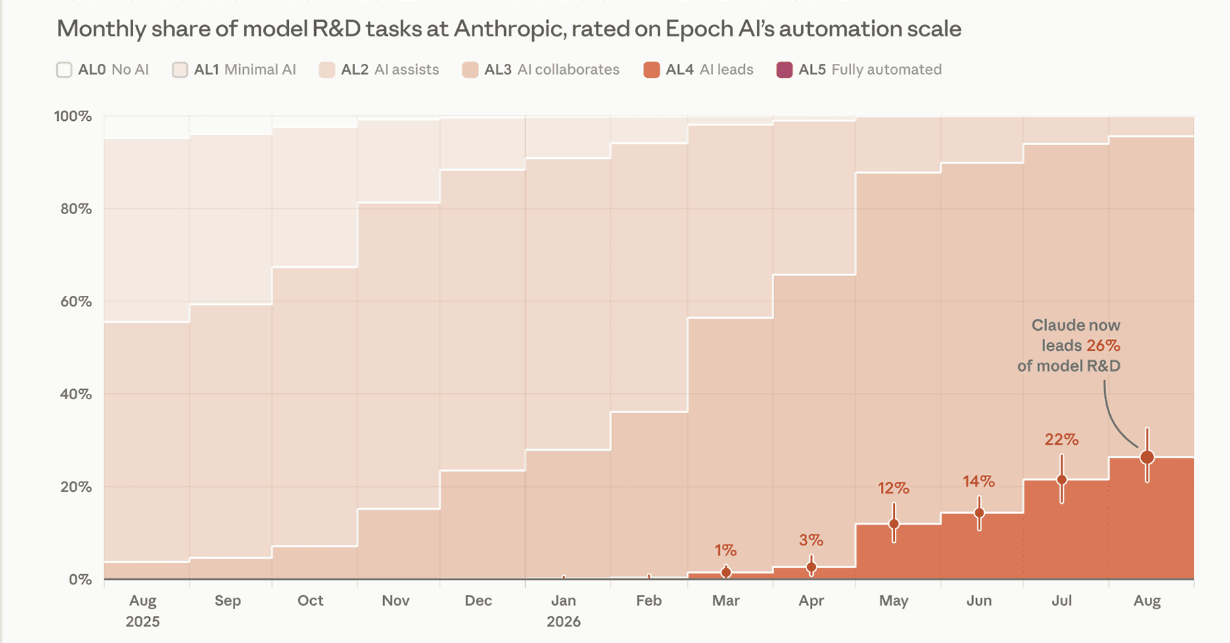
Anthropic Institute said that as of August, 26% of its AI research and development work was almost entirely do…
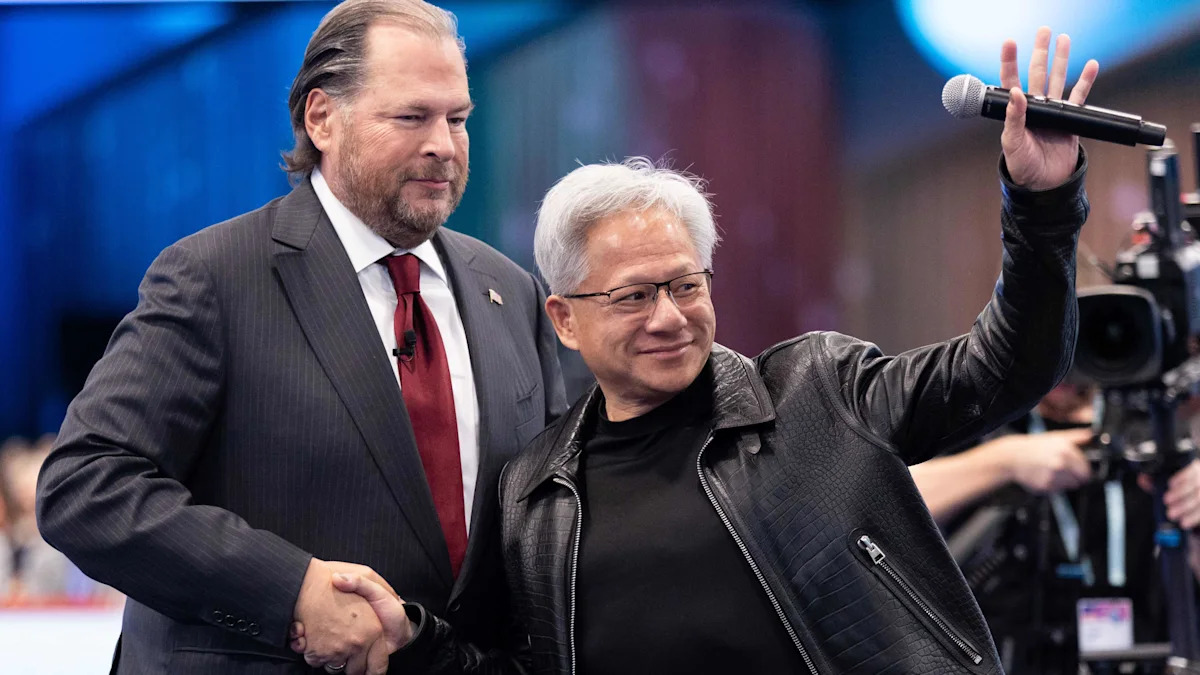
At Dreamforce, Salesforce and Nvidia unveiled Koa, a domain-specific reasoning model for Salesforce's Agentfor…