What happened
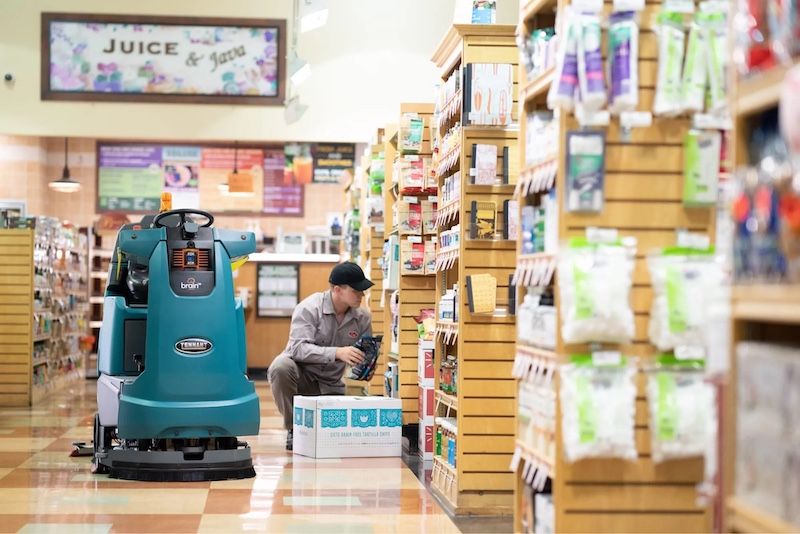
Brain Corp, which makes operating systems for robots, announced that BrainOS-powered robots grew 68 percent year-over-year in global deployments during the first half of 2026, surpassing 50,000 units worldwide. The fleet logged more than 5.3 million autonomous operating hours (up 24 percent year-over-year) and covered more than 3.7 billion square feet, equivalent to 64,000 American football fields or the size of Las Vegas.
Why it matters
The scale signals that enterprises are moving beyond robotics pilots and now buying proven autonomy platforms for real operations across retail, logistics, airports, cleaning, and inventory management. Brain Corp's recent SOC 2 Type II compliance certification addresses enterprise concerns about security, data handling, and fleet protection — factors increasingly important as organizations deploy robots in public-facing environments at commercial scale.
What to watch
Brain Corp is developing semantic mapping capabilities to make robots more situationally aware so they can interpret and respond to dynamic commercial environments, not just navigate them. The company has also expanded partnerships with Tennant Company and formed a new partnership with ShelfOptix, signaling continued momentum in the partner ecosystem.
Summaries like this, in your inbox every morning.
Brain Corp's H1 2026 performance marks a critical inflection point in enterprise robotics adoption. The company's 68 percent year-over-year deployment growth and surpassing of 50,000 units worldwide reflect a maturation of the market: enterprises are no longer piloting isolated robotic tasks but deploying full-scale autonomous fleets across multiple operational domains — retail, logistics, airports, commercial cleaning, and inventory management. The 5.3 million autonomous operating hours logged in just six months (up 24 percent annually) underscore the operational scale at which these systems now function.
What distinguishes this growth from earlier robotics cycles is the focus on platform maturity over technical novelty. Brain Corp's CEO David Pinn explicitly frames the shift away from "robotics experiments" toward "scalable autonomous systems that improve operations, support teams, and deliver value consistently in the real world." This language reflects a buyer-side demand for security, data governance, and predictable fleet management — concerns that had previously limited enterprise adoption. Brain Corp's SOC 2 Type II compliance certification directly addresses these concerns, providing third-party validation of security controls and infrastructure resilience. The company's expansion of partnerships with established players like Tennant Company and new entrants like ShelfOptix further signals that a robust ecosystem of integrators and operators is forming around proven autonomy platforms, rather than point solutions.
For example, today's edition would include:
AI-summarized, only the topics you pick: one digest a day via Email, LINE, or Slack.
Free · 30 seconds with Google · unsubscribe anytimeWhat is AIToday? →
Ask AI anything about this article. The AI reads this article, earlier AIToday articles, and Wikipedia, and cites its sources. Q&As are published on this page for other readers too.
Anthropic launched Claude Sonnet 5.5, a mid-tier model for everyday tasks, priced at $2 per million input toke…
NEAR, the token of the NEAR Protocol, has more than doubled in value over the past two weeks, helped by surgin…
Michael Burry wrote in a Substack chat that Trump's team knows the AI buildout is 'the only thing keeping this…

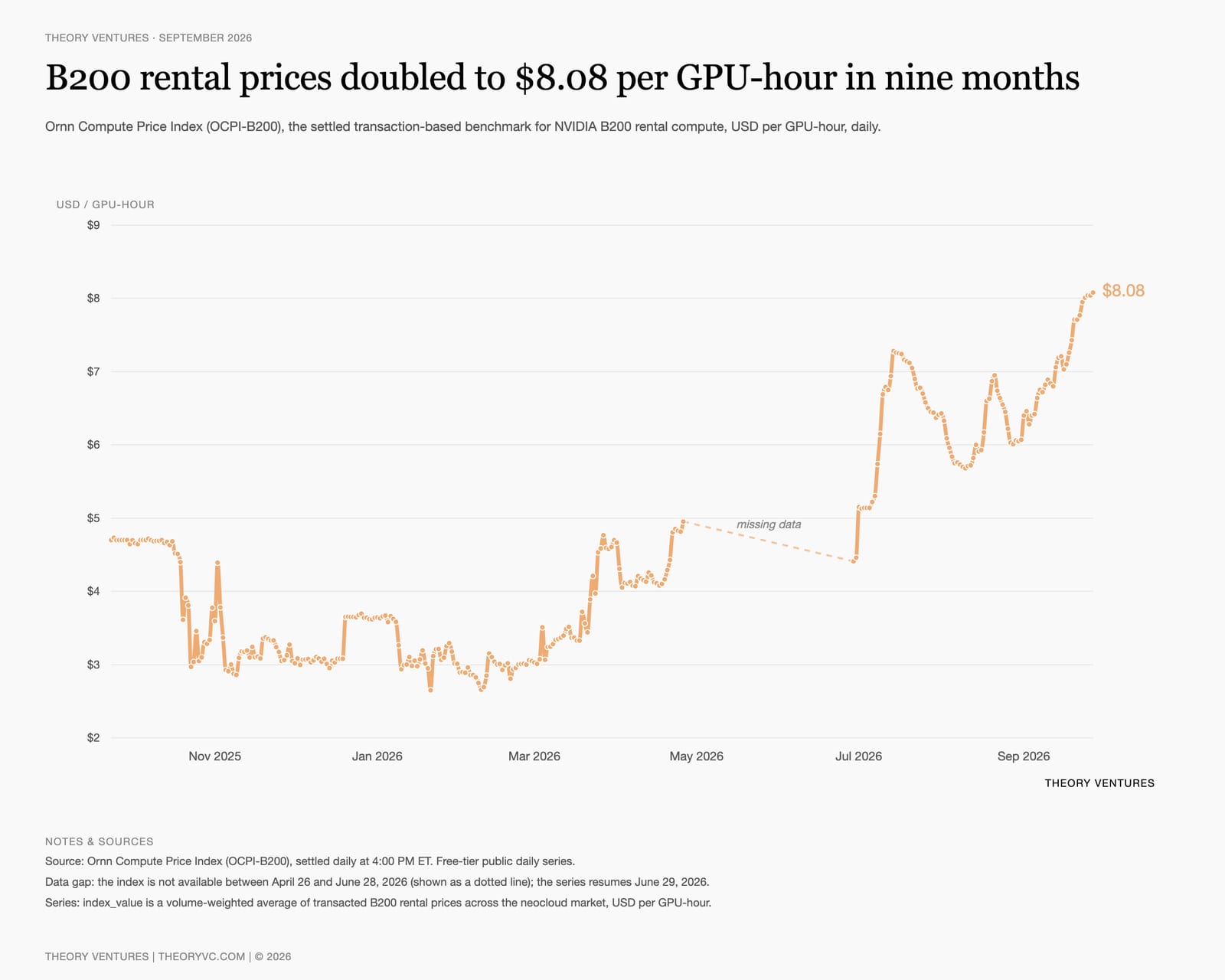
GPU rental prices doubled in six months, from $4.40 to $8.08 per GPU-hour, even as Claude Opus 5.5 costs 40% l…
NVIDIA announced its Open Agent Safety Platform, made of the OpenShell open-source runtime and the Sentry refe…
Anthropic released Claude Sonnet 5.5, which it says runs output more than 30 percent faster and costs up to 30…