
What happened
Over the trailing five years, insiders at Nvidia, Palantir, and Alphabet filed Form 4s showing roughly $17.5 billion more in net selling than buying since the start of October 2021.
Why it matters
Insider buying is considered telling because the only reason to buy is an expectation of share-price appreciation, and purchases at all three companies have been underwhelming, which may suggest insiders see limited upside.
What to watch
Some selling reflects tax-based compensation, so the signal is not clean; meanwhile, Palantir's price-to-sales ratio of almost 80 is far above the 30 level history says has been sustainable.
WHO IT HITSRetail investors who hold Nvidia, Palantir, and Alphabet stock may want to weigh insider selling patterns against the tax-driven reasons behind much of it. Analysts covering AI infrastructure and applications also face pressure to explain whether these filings signal a coming pullback.
Summaries like this, in your inbox every morning.
The article frames the insider activity against the backdrop of the AI infrastructure build-out, which it compares to the internet's arrival three decades ago. Nvidia's graphics processing units hold a virtual monopoly in AI-accelerated data centers, Palantir's Gotham platform is described as critical for overseeing military operations for the U.S. and its allies, and Alphabet's Google Cloud sales growth has gone parabolic since integrating generative AI and large language model capabilities. Yet the people who know these companies best have been net sellers — to the tune of roughly $17.5 billion since October 2021.
The article notes an important caveat: insiders often sell to cover taxes on stock-based compensation, which shouldn't alarm everyday investors. The more telling signal, it argues, is the lack of buying. Insider purchases have been underwhelming over the trailing five years, and since the only reason to buy is the expectation of share-price appreciation, the absence of purchases raises questions. Valuation may be one answer, with Palantir trading at a price-to-sales ratio of almost 80, well above the 30 level the article says history has shown to be sustainable.
Beyond valuation, the article points to a historical pattern: every game-changing innovation endures an early-innings bubble-bursting event, because investors constantly overestimate the pace of optimization of new technologies. While AI adoption hasn't been an issue, it'll likely take years for businesses to optimize AI solutions to maximize sales and profits. That, the article suggests, leaves the door wide open for an AI bubble-bursting event — though the timing and severity remain uncertain.
Pick your industry and the AI tools you use, and get news related to your work every day.
Free · 30 seconds with Google · unsubscribe anytimeWhat is AIToday? →
Ask AI anything about this article. The AI reads this article, earlier AIToday articles, and Wikipedia, and cites its sources. Q&As are published on this page for other readers too.
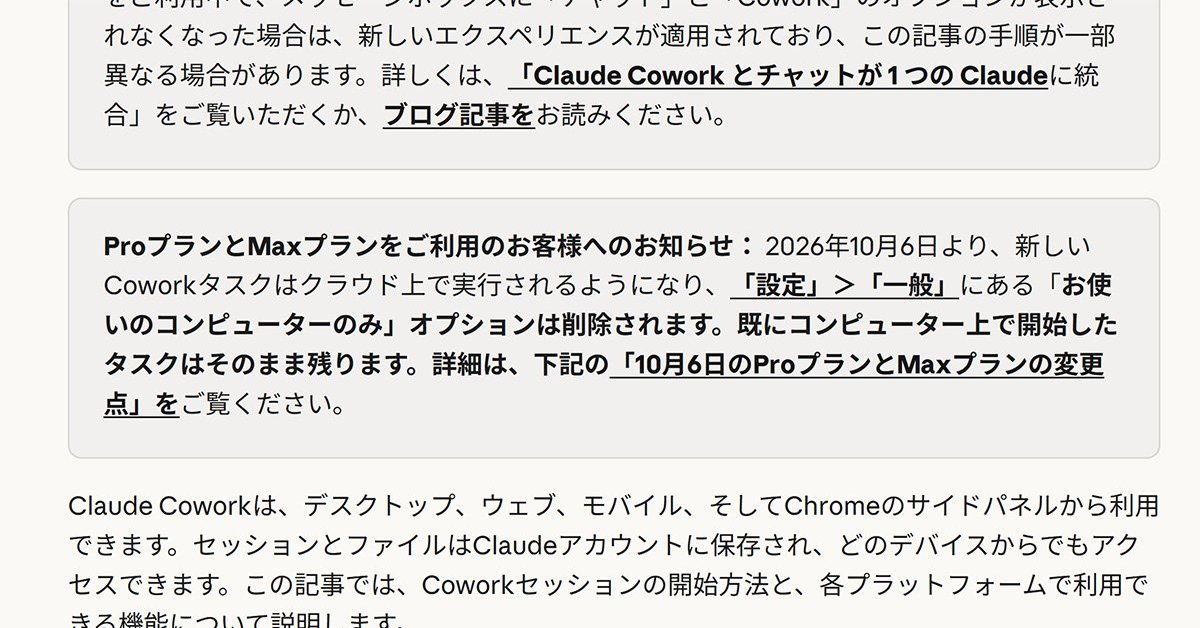
Anthropic said that from October 6 onward, Cowork tasks on the Claude Pro and Max plans run in the cloud, and…
Itoki and Matsuo Institute analyzed anonymized data from 854 workers across 70 behavioral features, using VAR-…

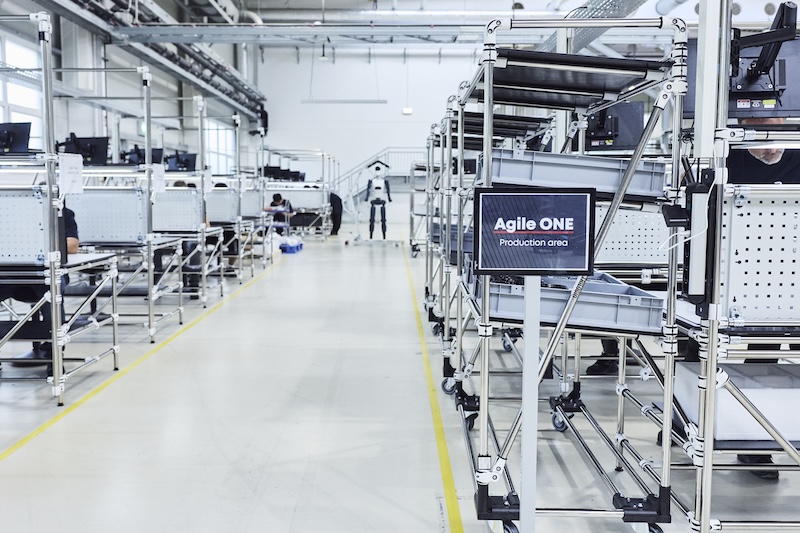
Agile Robots CEO Zhaopeng Chen said at the company's Physical AI Media Day that "physical AI is going to be 10…
Cohere launched North 2, a revamped enterprise platform with orchestration that coordinates AI agents tapping…

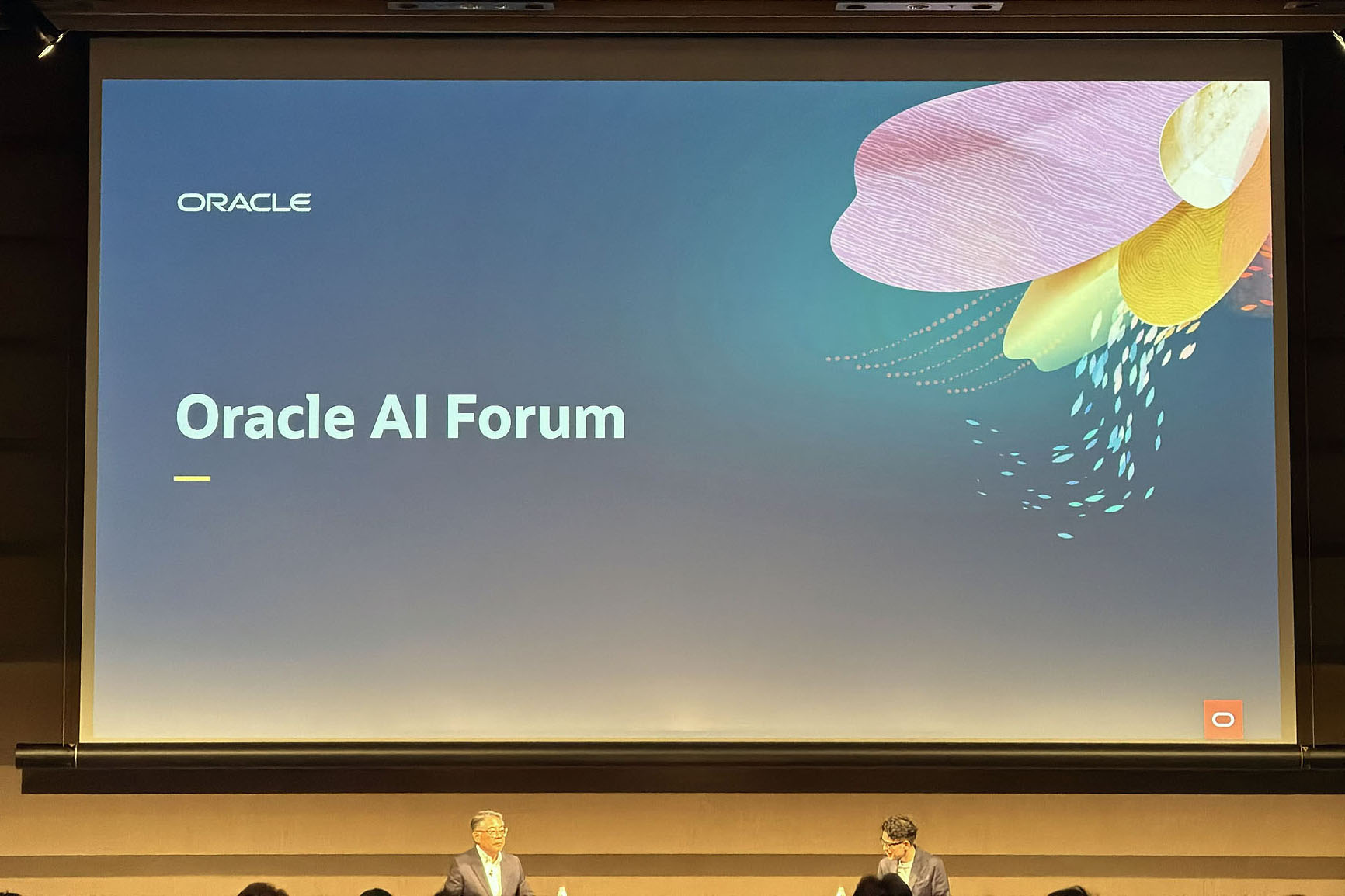
Oracle Japan's president Tomomitsu Misawa introduced "Oracle Fusion Claw," an enterprise take on the desktop-a…
Sheikh Tahnoon bin Zayed Al Nahyan, who oversees an economic empire estimated at about $1.5tr, is embedding hi…