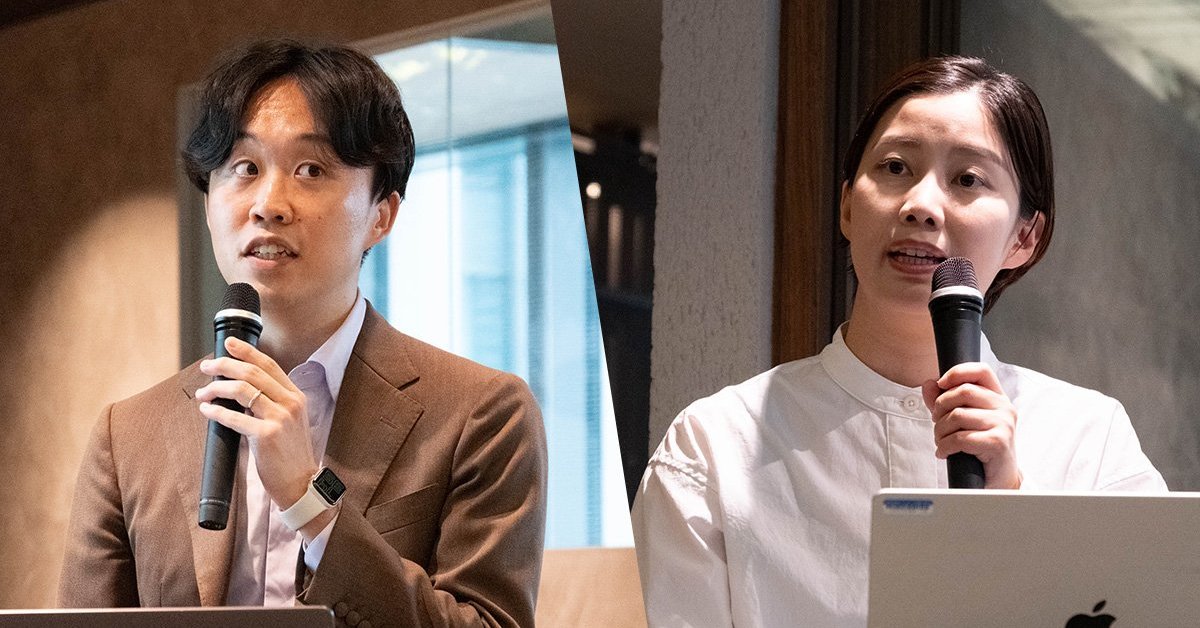
What happened
Itoki and Matsuo Institute analyzed anonymized data from 854 workers across 70 behavioral features, using VAR-LiNGAM to trace same-day actions to next-day states; they judged a link effective only when 70% or more of employees by job type shared the same causal direction.
Why it matters
The results contradict common assumptions — meeting count, not length, drove next-day mental condition down, and reply delays, breaks, or long office hours showed no consistent effect, so office and work-design changes may need to target how many meetings happen, not how long they run.
What to watch
The study covers one company and one location over one month, and it doesn't separate online from in-person meetings, so any packaged service will likely require building a model per customer; Itoki says timing for a packaged offering is not yet disclosed but testing is underway with some clients under Office3.0.
WHO IT HITSCorporate HR, workplace strategy, and facilities teams that shape office policy and meeting culture may find the specific findings useful, though the one-company, one-site, one-month scope means they should treat them as a starting hypothesis rather than a settled rule.
Summaries like this, in your inbox every morning.
Itoki, an office design company, began joint research with Matsuo Institute in 2025, starting from the idea that offices exist to raise productivity. The two identified two obstacles: output has no common definition across jobs and companies, and too many factors — HR systems, work tools, physical and mental state — are entangled. To sidestep subjective surveys, they turned to everyday behavioral logs.
The model has three layers: 70 behavioral features such as clock-in time, number of moves, meeting counts, and email and chat volumes; a condition layer covering mind, body, and relationships; and a self-rated performance layer. Using the VAR-LiNGAM causal method, they estimated both the direction and the time lag from one day's actions to the next day's state, and flagged a relationship as effective only when 70% or more of employees in a job type shared the same direction. The findings split into three: results confirming conventional wisdom, an unexpected discovery, and a refutation.
What this means hinges on scope and replication. The data covers one month at a single site, and the team itself notes that online and in-person meetings were not separated and that how often training data should be refreshed remains an open question. Because what moves condition differs by organization, expanding to other companies would require building a model per customer — so the value of the finding may rest less on the specific numbers and more on whether Itoki can turn this into a repeatable service.
Pick your industry and the AI tools you use, and get news related to your work every day.
Free · 30 seconds with Google · unsubscribe anytimeWhat is AIToday? →
Ask AI anything about this article. The AI reads this article, earlier AIToday articles, and Wikipedia, and cites its sources. Q&As are published on this page for other readers too.
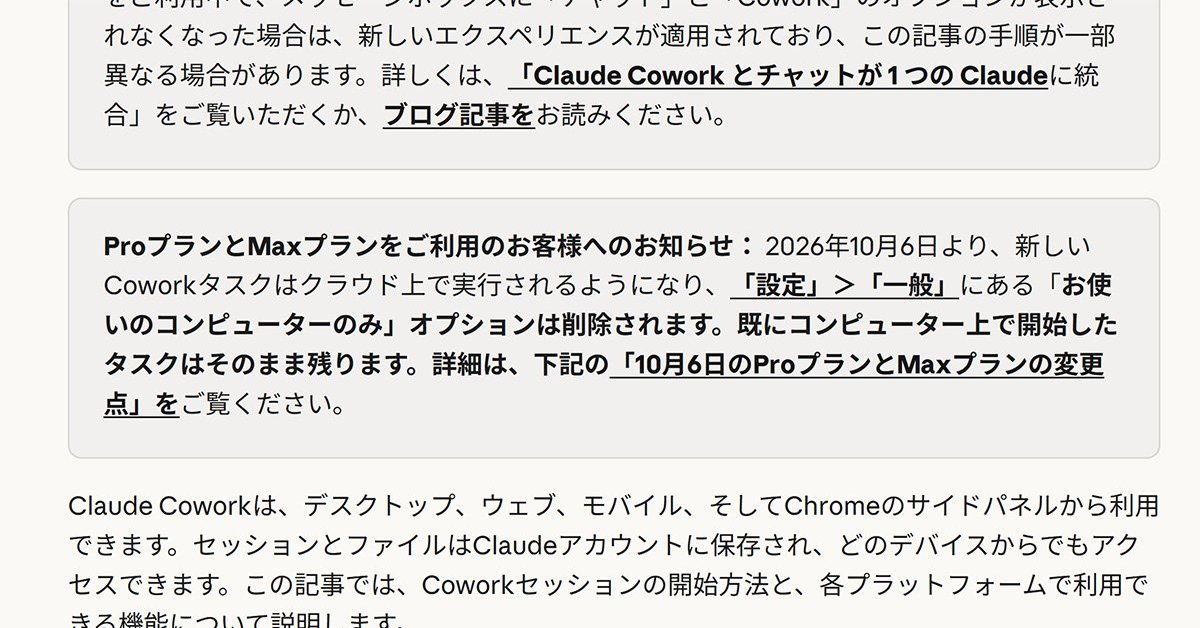
Anthropic said that from October 6 onward, Cowork tasks on the Claude Pro and Max plans run in the cloud, and…
Over the trailing five years, insiders at Nvidia, Palantir, and Alphabet filed Form 4s showing roughly $17.5 b…

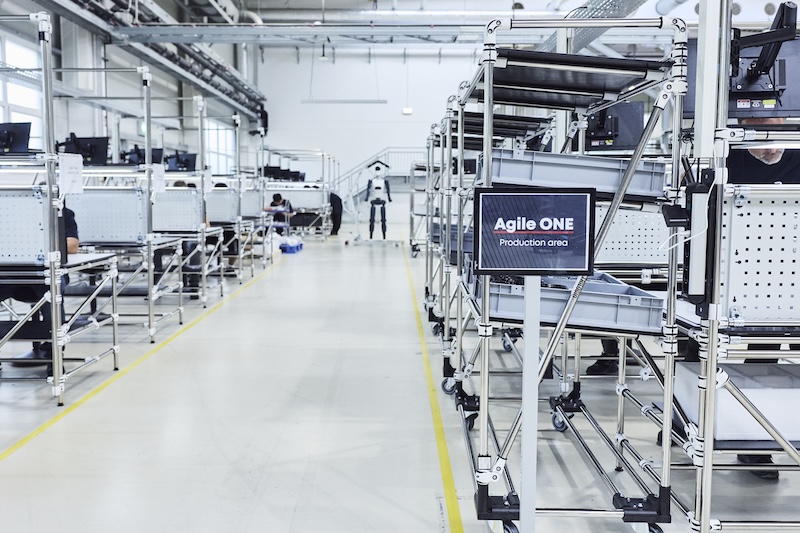
Agile Robots CEO Zhaopeng Chen said at the company's Physical AI Media Day that "physical AI is going to be 10…
Cohere launched North 2, a revamped enterprise platform with orchestration that coordinates AI agents tapping…

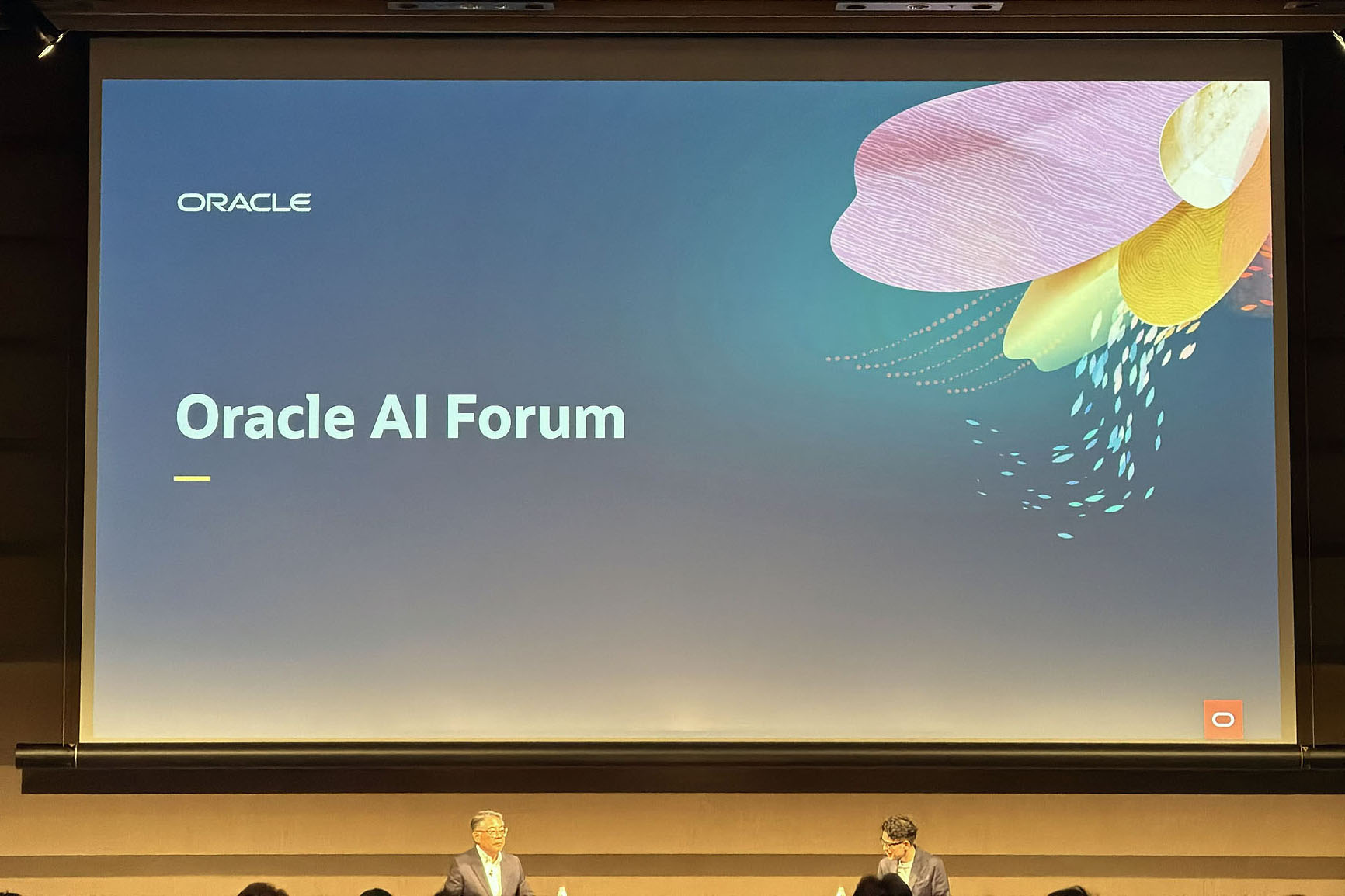
Oracle Japan's president Tomomitsu Misawa introduced "Oracle Fusion Claw," an enterprise take on the desktop-a…
Sheikh Tahnoon bin Zayed Al Nahyan, who oversees an economic empire estimated at about $1.5tr, is embedding hi…