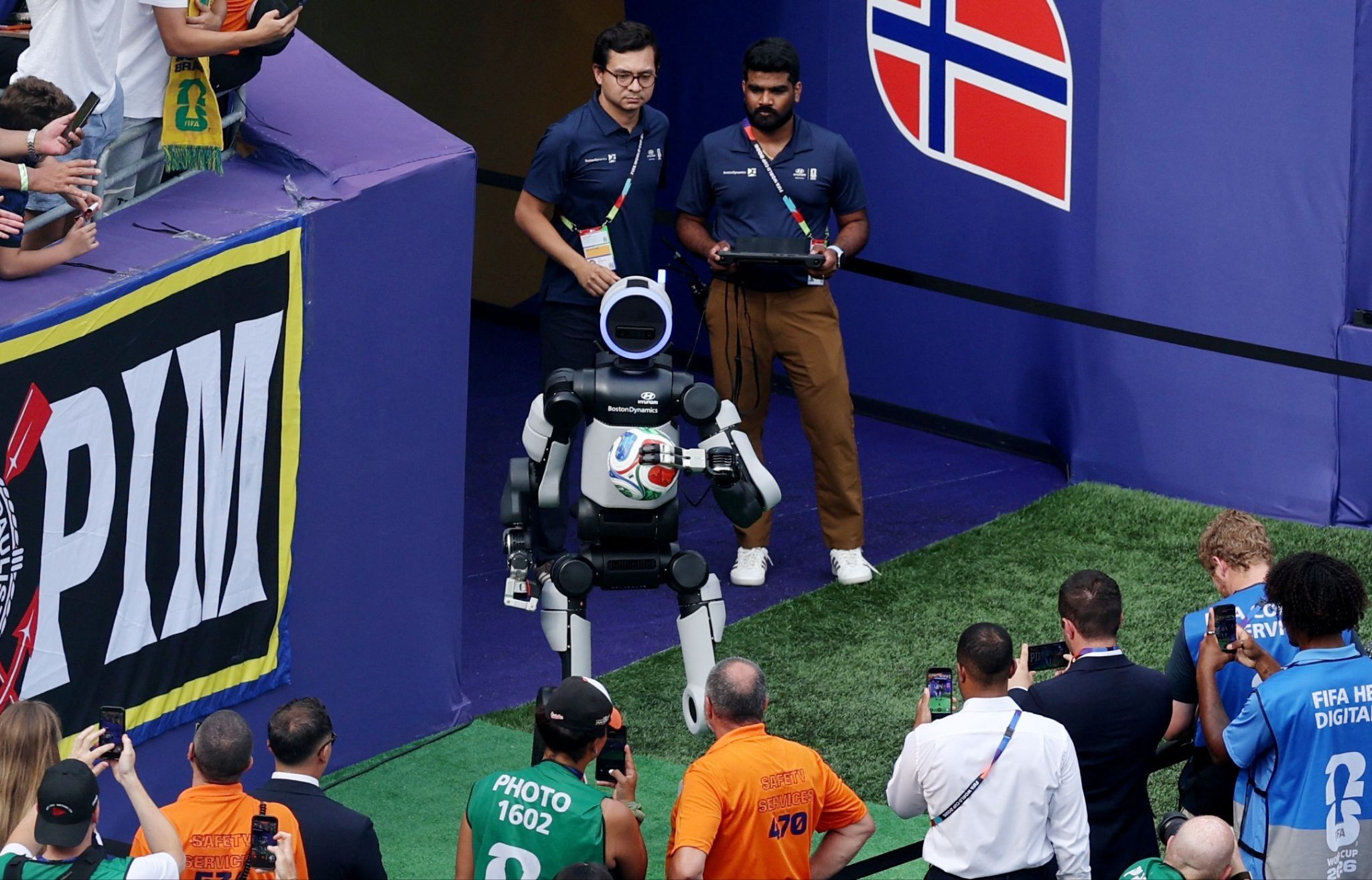
Hyundai workers in South Korea have begun a partial strike in response to the company's plans to deploy humanoid robots in factories, marking the first labor action in the auto industry specifically targeting humanoids.
The stoppage reflects tension over both automation and compensation, and may signal what other global automakers—including BMW and General Motors, which are also testing humanoids in production—could face as they accelerate their own automation efforts.
What happened
Hyundai workers in South Korea began a partial strike this week after the company unveiled plans to introduce humanoid robots on the factory floor. The work stoppage is the first in the global car industry's history addressing humanoids.
Why it matters
Hyundai owns Boston Dynamics, a US-based robot-maker, giving it direct control over humanoid deployment. The strike signals that labor unions view automation as a direct threat to jobs, and may foreshadow resistance from workers at other automakers experimenting with humanoids on production lines.
What to watch
The strike also involves a broader impasse between the company and union over wage increases and performance bonuses. Other automakers including BMW and General Motors are already experimenting with humanoids in their manufacturing facilities.
Ask the AI about this article →
Hyundai's announcement of humanoid robots on its factory floor has triggered the first strike in automotive history specifically targeting humanoid deployment, signaling a watershed moment for labor and automation in manufacturing. The timing is significant: Hyundai owns Boston Dynamics, the leading US robot-maker, which means the company has both the technical capability and corporate control to execute rapid humanoid integration—unlike competitors who must negotiate with external suppliers. This structural advantage may have accelerated Hyundai's timeline and triggered the union's preemptive response.
The strike is not purely about job displacement; it occurs alongside a separate dispute over wages and performance bonuses, suggesting the union is using the humanoid announcement as leverage in a broader compensation negotiation. However, the fact that workers chose to strike specifically when robots were announced—rather than waiting for deployment—indicates genuine concern about employment effects. Other major automakers including BMW and General Motors are already running humanoid pilots, which means Hyundai's experience may establish a precedent. If the union wins concessions tied to automation, it could embolden labor groups elsewhere to demand similar protections before or during humanoid rollout.
For example, today's edition would include:
AI-summarized, only the topics you pick — one digest a day via Email, Slack, or Discord.
Free · takes 30 seconds · unsubscribe anytimeWhat is AIToday? →
Ask AI anything about this article. Q&As are published on this page for other readers too.
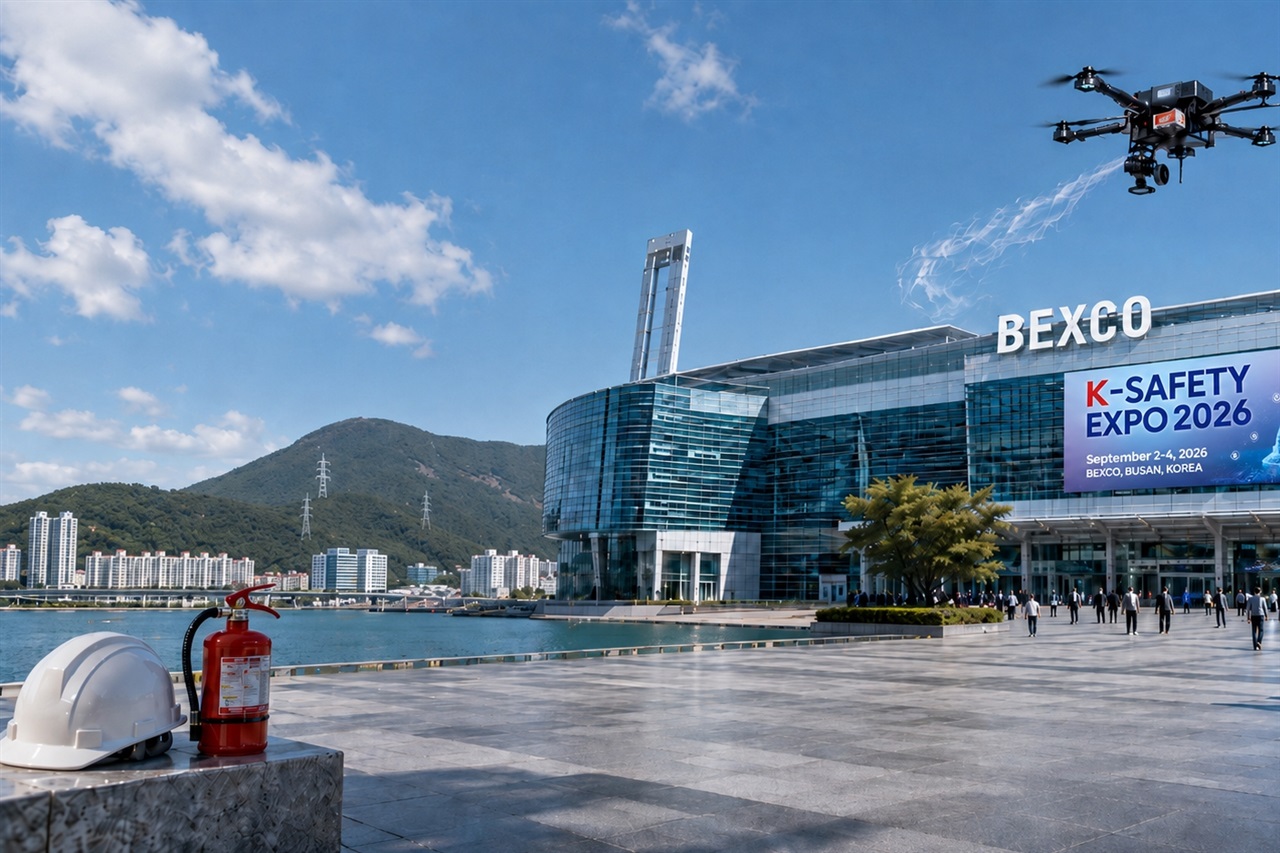
K-Safety Expo 2026 will be held at BEXCO in Busan from September 2–4, featuring AI, robots, sensors, and conne…
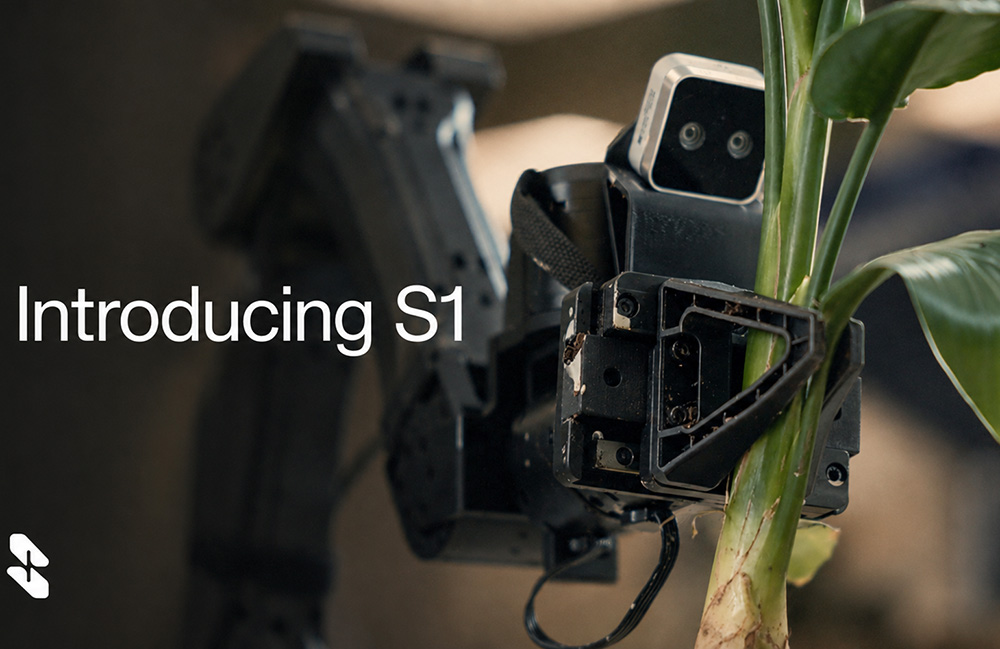
Skild AI has introduced S1, its flagship robot foundation model, which lets robots learn new, complex tasks by…
BHP, the world's largest mining company by market capitalization, has deployed AI across its operations
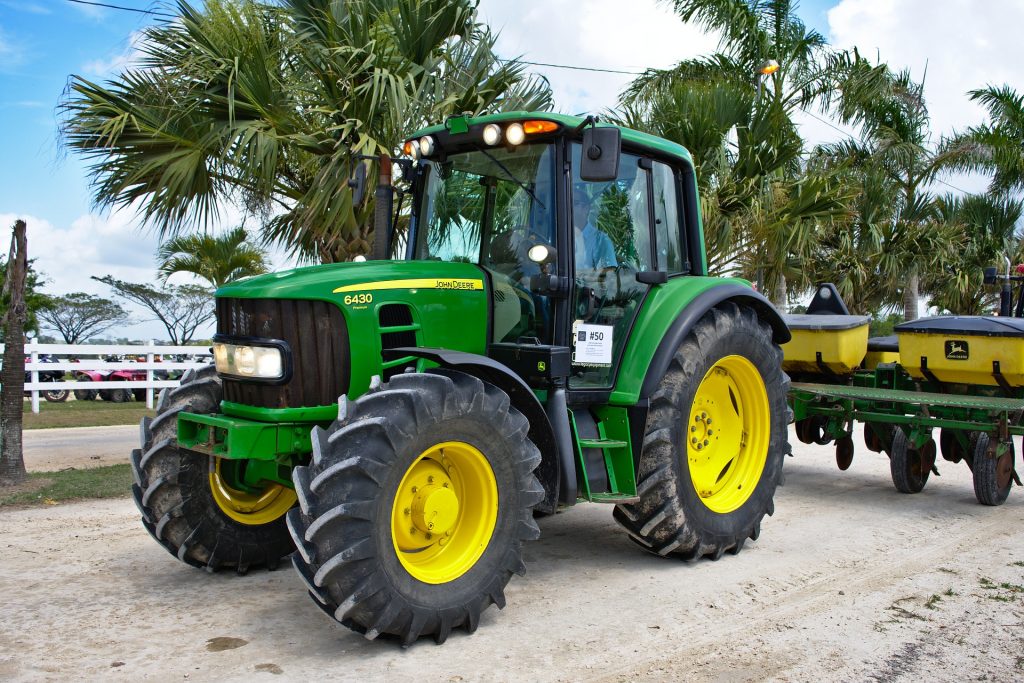
John Deere announced a three-year, $10 million research and development partnership with ag-tech company Reser…
On July 16, 2026, NVIDIA announced that 22 Japanese companies and organizations have expressed intent to join…
Panasonic HD has established a new AI and robotics research and development division, and CAIO Sakaba is leadi…