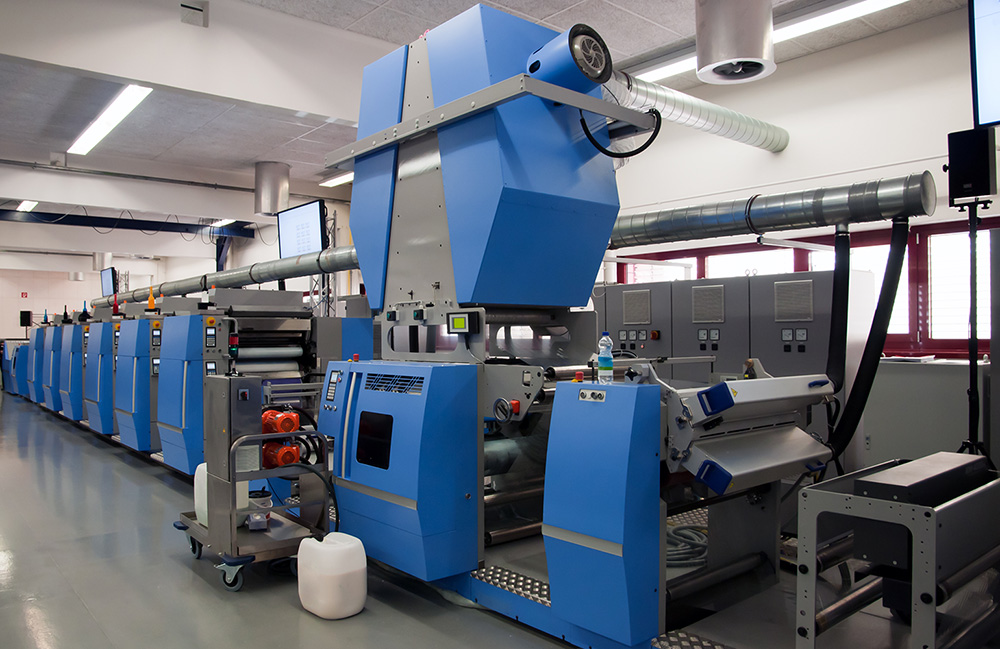
What happened
Kollmorgen has expanded its Essentials motion platform to include high-voltage (400–480V) options, enabling it to work directly in standard industrial power environments without requiring additional infrastructure like transformers.
Why it matters
Machine builders in large manufacturing plants, automotive lines, and logistics hubs have traditionally assumed high-voltage operation demands overly complex, expensive systems. Kollmorgen argues that not every axis in a machine requires top-tier specifications—many handle only positioning or material handling—so over-specifying across the board increases costs, commissioning time, and maintenance difficulty. Right-sizing solutions for each axis allows engineers to optimize the whole machine rather than applying a uniform specification.
What to watch
Kollmorgen's Essentials platform now offers pre-matched motors and drives, streamlined commissioning with intuitive tools, and stock availability designed to shorten lead times. The company positions this scalable approach as letting machine builders apply a consistent methodology across different machines and environments without unnecessary complexity.
Summaries like this, in your inbox every morning.
The article presents a shift in how industrial motion systems are being designed and specified. Historically, when machine builders operated in high-voltage (400–480V) environments, the assumption was that they needed to adopt the most advanced, highest-performance motion platforms available. However, Kollmorgen challenges this logic by noting that larger machines and higher throughput place greater demands on only certain parts of the system, not all of it. Many axes handle relatively simple tasks like positioning or material handling, which do not warrant premium specifications.
The real cost of over-specifying, according to Kollmorgen, lies not just in upfront expenses but in engineering time, integration complexity, and long-term maintainability. Configuration, commissioning, and troubleshooting become more difficult and time-consuming when systems are more complex than necessary. By contrast, a "right-sized" approach—matching each axis's motion solution to its actual application needs—can reduce project timelines and total cost of ownership while still operating safely and effectively within the existing high-voltage infrastructure. Kollmorgen's expansion of Essentials to include high-voltage options exemplifies this strategy: the platform was originally built for simpler, medium-voltage applications but now brings that simplified, scalable design philosophy directly into the high-voltage domain where most large industrial facilities operate.
Pick your industry and the AI tools you use, and get news related to your work every day.
Free · 30 seconds with Google · unsubscribe anytimeWhat is AIToday? →
Ask AI anything about this article. The AI reads this article, earlier AIToday articles, and Wikipedia, and cites its sources. Q&As are published on this page for other readers too.
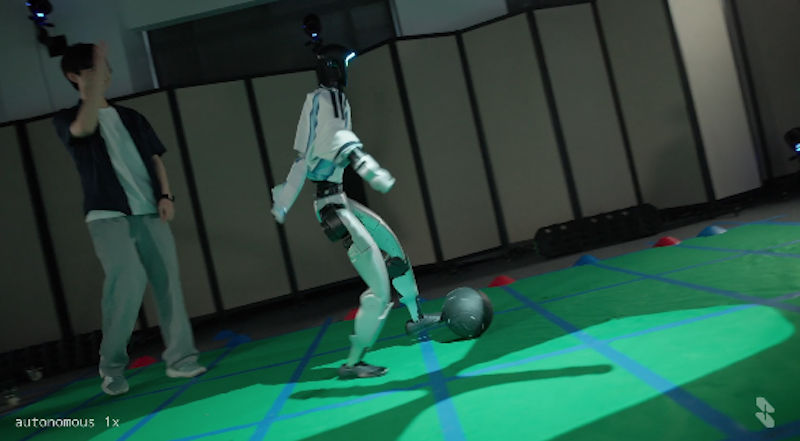
Skild AI used Nvidia Isaac Sim to give its S1 model one objective — score a goal — and let it compete against…
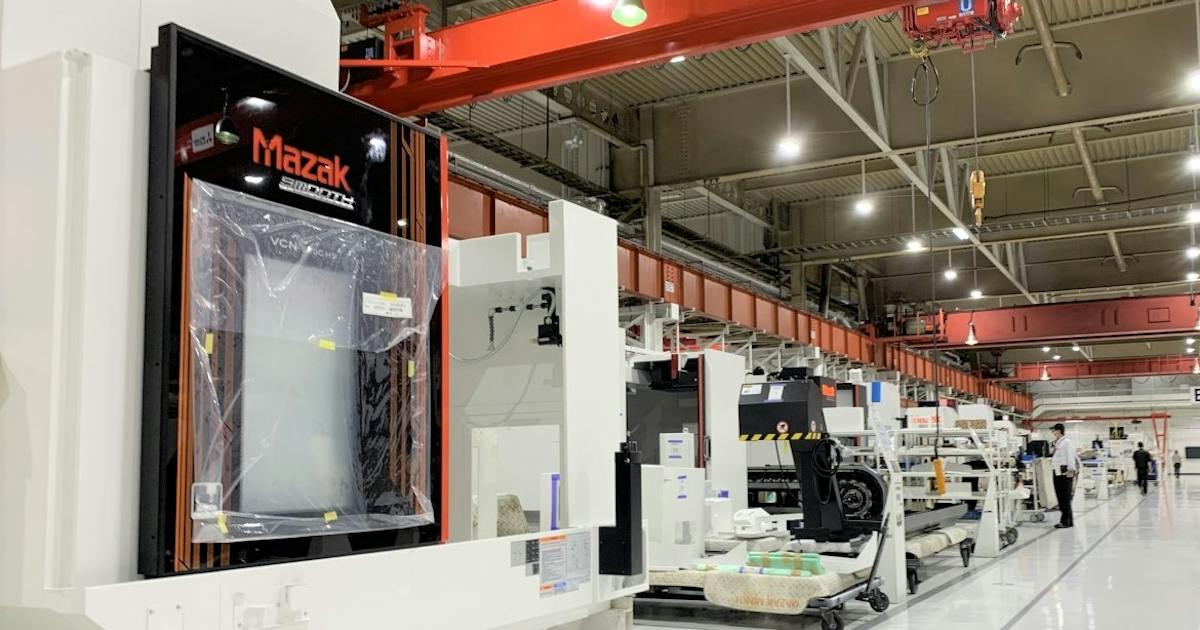
Yamazaki Mazak and ABEJA said on the 16th they will start joint development of physical AI, using ABEJA's ABEJ…
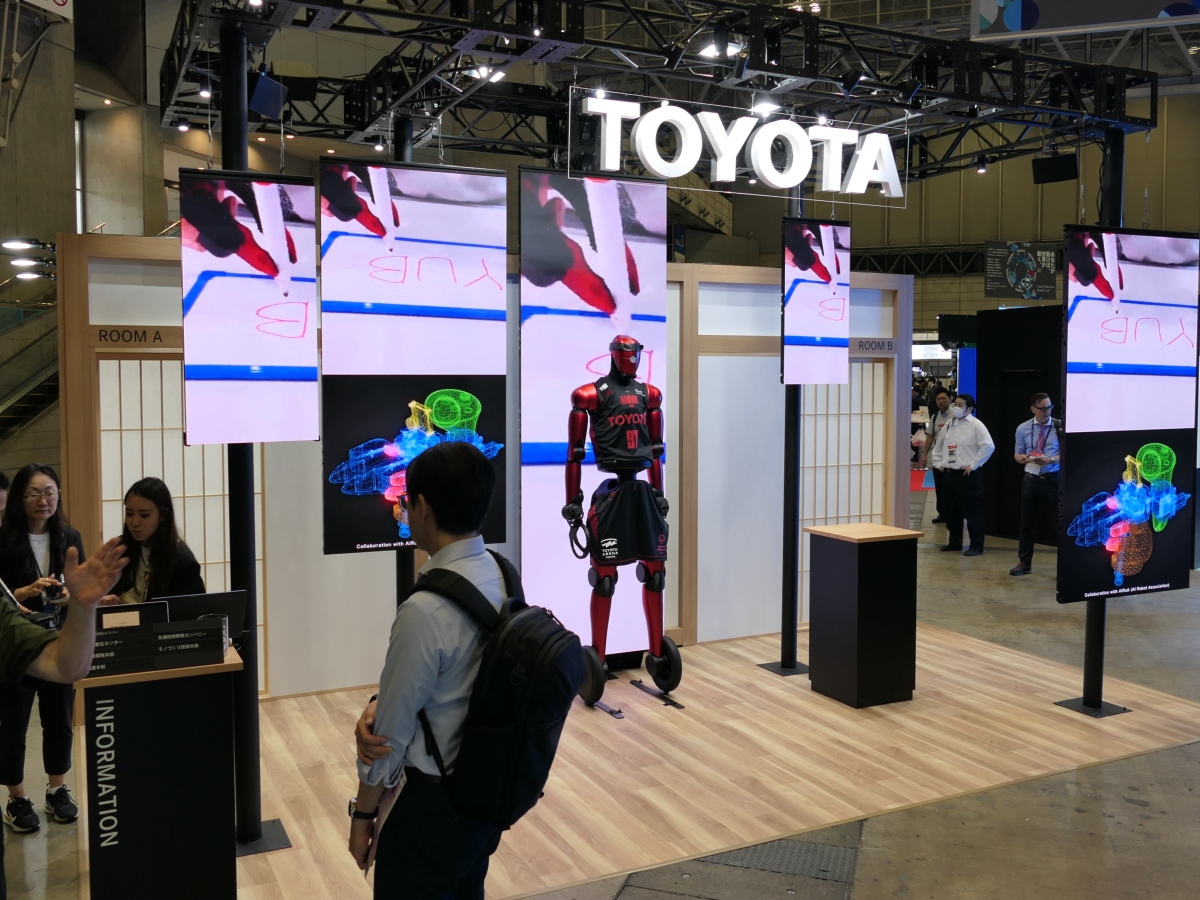
Toyota Motor's Japan Mobility Show Bizweek 2026 booth centers on its AI basketball robot CUE7, has no other ex…
Japan Mobility Show Bizweek 2026 showcased Physical AI applications, including Toyota's basketball-playing rob…
Google pitched Gemini 4 Argon as one model for robot control, simulation and training-data review, saying it s…

Researcher Sammy Azdoufal discovered Energize Lab's Eiliko robot stores 13 million conversations from 68,000 t…