What happened
OpenAI is developing a doughnut-shaped smart speaker roughly the size of a hockey puck, slated for release in 2027, with moving parts designed to give it personality and a price tag exceeding $300.
Why it matters
The device positions OpenAI to enter the smart speaker market, currently dominated by Amazon and Google, with an AI-first design intended to set it apart from existing competitors and give users a new way to interact with AI at home.
What to watch
The product is scheduled for 2027 release; it will have no display and be designed for one-handed portability around the home.
Summaries like this, in your inbox every morning.
OpenAI's move into the smart speaker category marks a significant shift in how the company is commercializing its AI technology. Rather than relying solely on software and cloud-based services, the company is now designing a hardware product intended to bring AI capabilities directly into users' homes. The timing—a 2027 release—suggests OpenAI is taking a deliberate approach to product development, moving beyond chatbots and text-based interfaces to create a physical form factor that can stand out in a market currently controlled by Amazon and Google's established ecosystems. The emphasis on design elements such as moving parts and a distinctive doughnut shape indicates OpenAI recognizes that differentiation in the smart speaker space requires more than software; it needs physical and aesthetic appeal to justify a price point exceeding $300, which places it above many current smart speakers.
For example, today's edition would include:
AI-summarized, only the topics you pick: one digest a day via Email, LINE, or Slack.
Free · 30 seconds with Google · unsubscribe anytimeWhat is AIToday? →
Ask AI anything about this article. The AI reads this article, earlier AIToday articles, and Wikipedia, and cites its sources. Q&As are published on this page for other readers too.
1Password CTO Nancy Wang said at Okta's Oktane event that agents need just-in-time, task-based access, and the…

Meta is launching the Meta Enterprise Platform, led by CJ Desai, who joins as chief enterprise platform office…
Bhakti Pitre, ServiceNow's VP of AI platform security product, said at Okta's Oktane event that agent "kill sw…

Futurum's report, sponsored by QumulusAI Inc., finds agentic AI can drive token consumption per task 10 to 100…

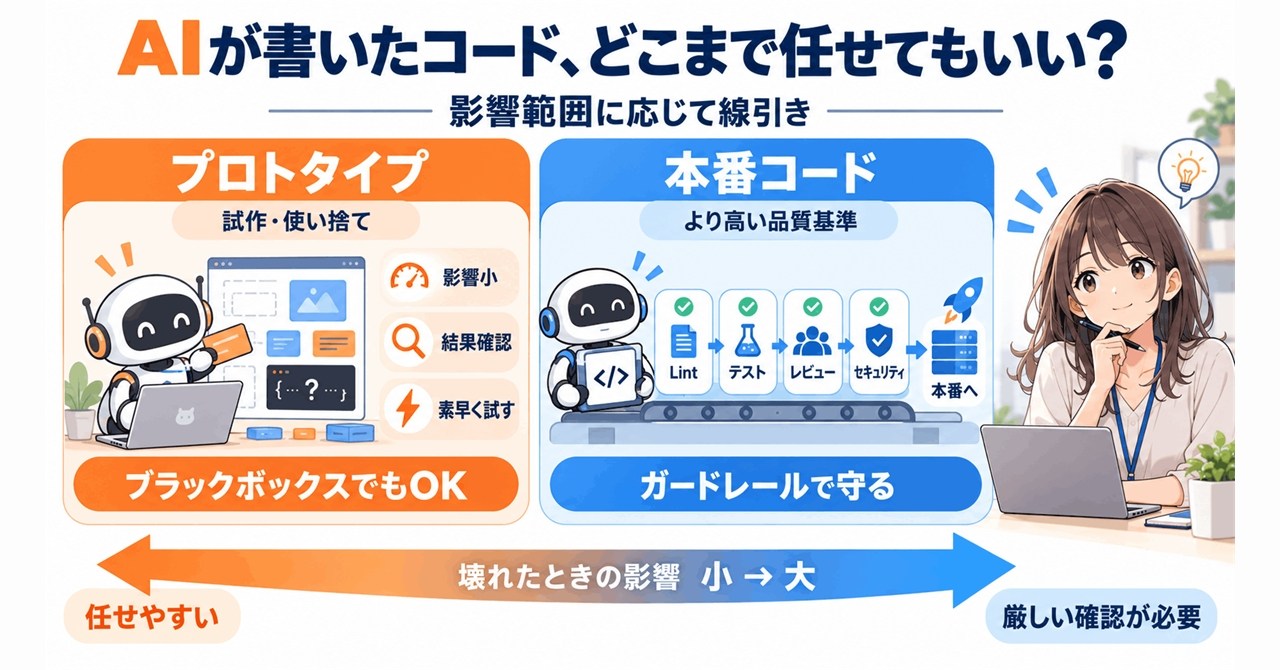
Claude Code's creator Boris Cherny answered a developer's question on September 11, 2026, saying throwaway pro…
ITR principal analyst Hiroaki Koumoto said Japanese firms' efforts in harness engineering are 'almost nonexist…