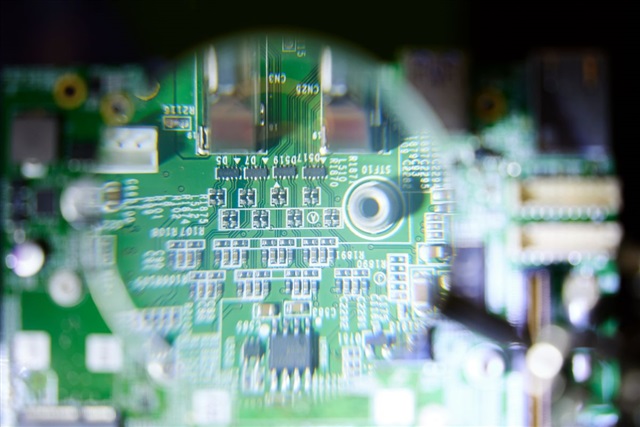
Major passive component makers in Japan and South Korea are raising MLCC prices again, signaling supply tightness driven by AI demand. The moves come as the previously softened MLCC market—hit by weak consumer and automotive orders—is being reshaped by stronger AI-driven orders, with potential ripple effects on global electronics makers.
Summaries like this, in your inbox every morning.
Sign up free →What happened
Major passive component manufacturers in Japan and South Korea are raising prices for MLCCs (multilayer ceramic capacitors, tiny components used in electronics), signaling tighter supply conditions that could affect electronics makers globally.
Why it matters
AI-related demand is reshaping the MLCC market after a period softened by weaker consumer and automotive orders. Price pressure on components like MLCCs typically flows through to broader electronics supply chains and can raise costs for manufacturers worldwide.
What to watch
The continuation of supply tightness and whether price pressures spread to other passive components and downstream electronics sectors.
Major passive component manufacturers in Japan and South Korea are raising prices for MLCCs, signaling a tightening of supply conditions in a market that had been softened by weak consumer and automotive orders. The price increases reflect a fundamental shift in demand dynamics: AI-related orders are now driving stronger consumption of these tiny but essential components, which are used across virtually all electronic devices. The moves signal that supply conditions are becoming more constrained even as the broader passive-component market adjusts to the new AI-driven demand environment. Because MLCCs are foundational to electronics production worldwide, the price hikes are likely to affect a wide range of manufacturers globally, from those making data-center equipment to those serving consumer electronics, automotive, and industrial sectors.
The MLCC market has undergone a notable reversal. After a sustained period of softness driven by weak consumer electronics and automotive demand, AI-related orders are now tightening supply for these critical passive components. Japan and South Korea's major suppliers are signaling this shift through fresh price increases, a move that reflects the underlying supply-demand imbalance. Because MLCCs are widely used across all electronic devices—from data-center equipment to consumer gadgets—price pressure at this level of the supply chain carries downstream consequences for electronics makers globally. The transition underscores how AI demand is reshaping component markets that had previously stabilized at lower price points.
AI-summarized, only the topics you pick — one digest a day via Email, Slack, or Discord.
Free · takes 30 seconds · unsubscribe anytime
No comments yet. Be the first to share your thoughts!
Log in to join the discussion



Get curated AI news from 200+ sources delivered daily to your inbox. Free to use.
Get Started FreeFree · takes 30 seconds · unsubscribe anytime
