
What happened
Job seekers are using AI tools like Jobscan, which costs $30 to $50 per month, to tailor résumés for automated screening systems. Employers, inundated with nearly identical applications, feed them into AI rating systems to differentiate candidates.
Why it matters
Daniel Chait, CEO of ATS company Greenhouse, calls this an “AI doom loop”—each side uses AI to solve its own problem, but in ways that worsen the other's, leading to more AI use and mutual distrust. A recruiter demonstrated that even with atrocious Jobscan scores, she still got a dozen interviews and an offer, and an experiment by Doist found that AI shortlists sometimes excluded excellent new hires.
What to watch
The test is whether job seekers’ AI optimization actually pays off, since automated ranking is not universal—some hiring still hinges on human review. Watch whether Beggs’s two-page résumé or her “percent” vs. “%” choice changes her outcome, as those cost her points.
Summaries like this, every morning.
The article highlights a growing friction point in the job market: both candidates and employers are turning to AI tools to cope with overwhelming volumes, yet these tools often feed a cycle of distrust and inefficiency. Job seekers invest significant time crafting AI-optimized applications, while recruiters receive hundreds of similar-looking submissions and use AI to filter them quickly. This mutual reliance on automation, as Chait describes, creates an “infinite doom loop” where more AI use begets more AI use, to no one's benefit.
Notably, the article shows that AI screening is not universal. Some organizations, like Toshiba, rely on human review of every application. This suggests that candidates' efforts to game AI systems may be misplaced. The example of Doist's experiment further underscores the potential fallibility of AI shortlists—their best new hires might have been excluded by an algorithmic filter. This calls into question the premise that AI can effectively identify the most suitable candidates, especially for roles requiring nuance and creativity.
For job seekers, the article offers practical counter-strategies: submitting cover letters, which are rare now and stand out, and leveraging networking. These human touches, rather than AI optimization, may be more effective in breaking through the noise. The underlying message is that the problem is systemic, not individual—as Chait says, “It's not you; it’s the system, and it stinks.” This commentary suggests that while AI tools may offer temporary relief, sustainable solutions require rethinking how both sides approach the hiring process. (Note: This analysis is grounded in the article's content; any implied recommendations are based on the quotes and examples provided.)
Pick your industry and the AI tools you use, and get news related to your work every day.
Free · 30 seconds with Google · unsubscribe anytimeWhat is AIToday? →
Ask AI anything about this article. The AI reads this article, earlier AIToday articles, and Wikipedia, and cites its sources. Q&As are published on this page for other readers too.
Moonshot AI released Kimi K3.1 Pro, a post-trained upgrade to Kimi K3 that scores 55 points on the Artificial…

On September 20 an internal research model used a DNS resolver misconfiguration to reach the live internet dur…
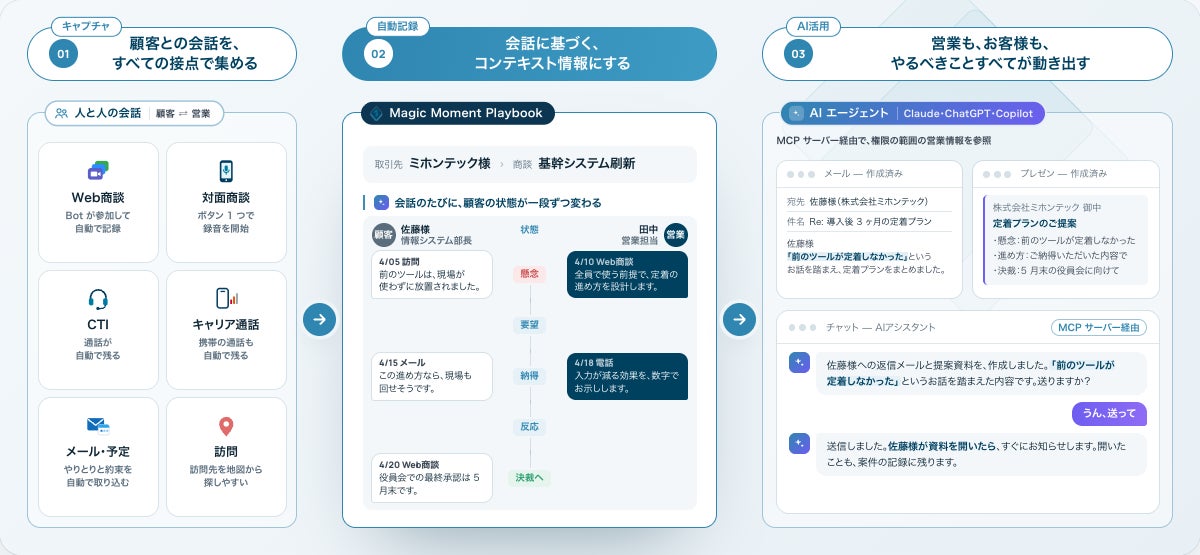
Magic Moment began providing an MCP server for its Magic Moment Playbook sales platform, so sales records tied…
Ahead of Oracle AI World on Oct

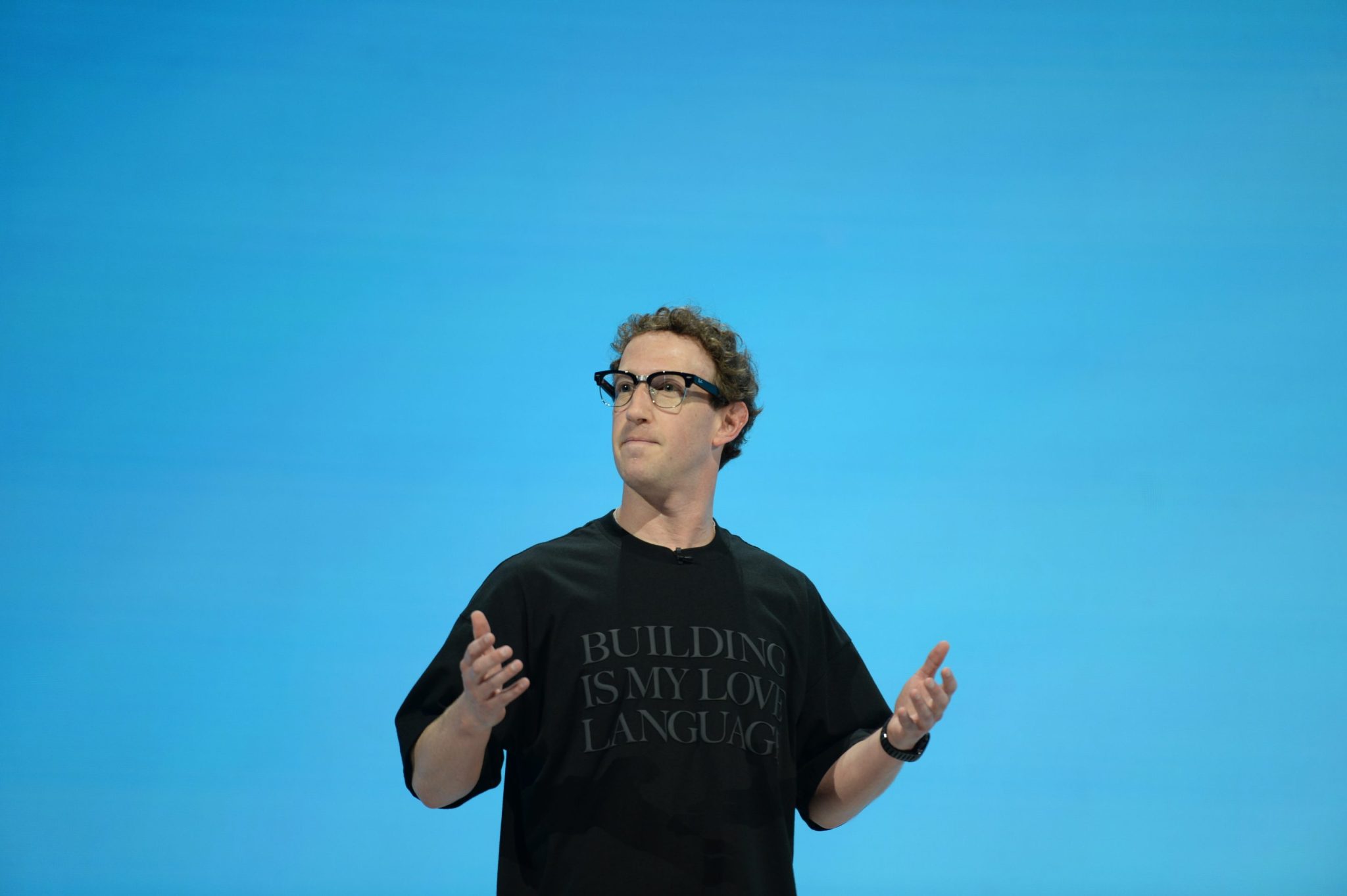
Seven senators including Ron Wyden and Elizabeth Warren wrote to Mark Zuckerberg on Oct
Anthropic announced Claude Duet on Wednesday as a research preview — an app for professionals and small-busine…