What happened
A federal judge in California, Rita Lin, vacated the Pentagon's February 27 decision to label Anthropic a supply-chain risk and make it ineligible for federal contracts. The ruling also lifted a punitive measure barring military contractors from doing business with Anthropic, and removed sanctions improperly imposed by nine agencies including the Pentagon, Treasury, State, and Homeland Security.
Why it matters
The ruling found the designation was unconstitutional retaliation and called it "arbitrary, capricious, an abuse of discretion, and otherwise not in accordance with law." The case stems from a dispute over a $200 million deal for Anthropic's Claude models, which broke down after Anthropic insisted on limits regarding lethal autonomous weapons and mass surveillance, while Defense Secretary Pete Hegseth rejected any curbs.
What to watch
The Pentagon is expected to appeal. The judge affirmed the Pentagon is not required to use Anthropic's models, and the ruling does not prevent it from choosing other models. Anthropic's separate DC lawsuit is still ongoing.
Summaries like this, in your inbox every morning.
The conflict began after reports that Claude was used in the operation to capture Venezuelan president Nicolás Maduro. A Palantir employee relayed concerns from an Anthropic staffer to US officials about how the models were used. This led to a breakdown in negotiations over the $200 million deal, with Hegseth widely seen as punishing Anthropic for its stance on usage limits.
The judge found the Pentagon's stated justification — that giving Anthropic access to classified systems would introduce "unacceptable risk" — inconsistent with ongoing collaboration. Lin pointed out that the government is discussing collaboration with Anthropic on its new model, Mythos, in sensitive contexts, which contradicts the claim that Anthropic is a saboteur. This suggests the designation was retribution rather than genuine security concern, a view supported by the court's ruling.
While Anthropic's top models are considered some of the best in the world and are subject to the Trump administration's AI oversight framework, the immediate legal battle is not over. The Pentagon is expected to appeal, and the DC case remains open. The ruling clears Anthropic of the immediate federal contracting ban but does not force the Pentagon to use its models, leaving the commercial relationship uncertain.
Pick your industry and the AI tools you use, and get news related to your work every day.
Free · 30 seconds with Google · unsubscribe anytimeWhat is AIToday? →
Ask AI anything about this article. The AI reads this article, earlier AIToday articles, and Wikipedia, and cites its sources. Q&As are published on this page for other readers too.
Meta's new commercial terms, effective October 30th, appear to let it crawl and train AI on content from websi…
Taiwan is considering much stricter export controls on AI chip sales to China, part of a greater alignment wit…

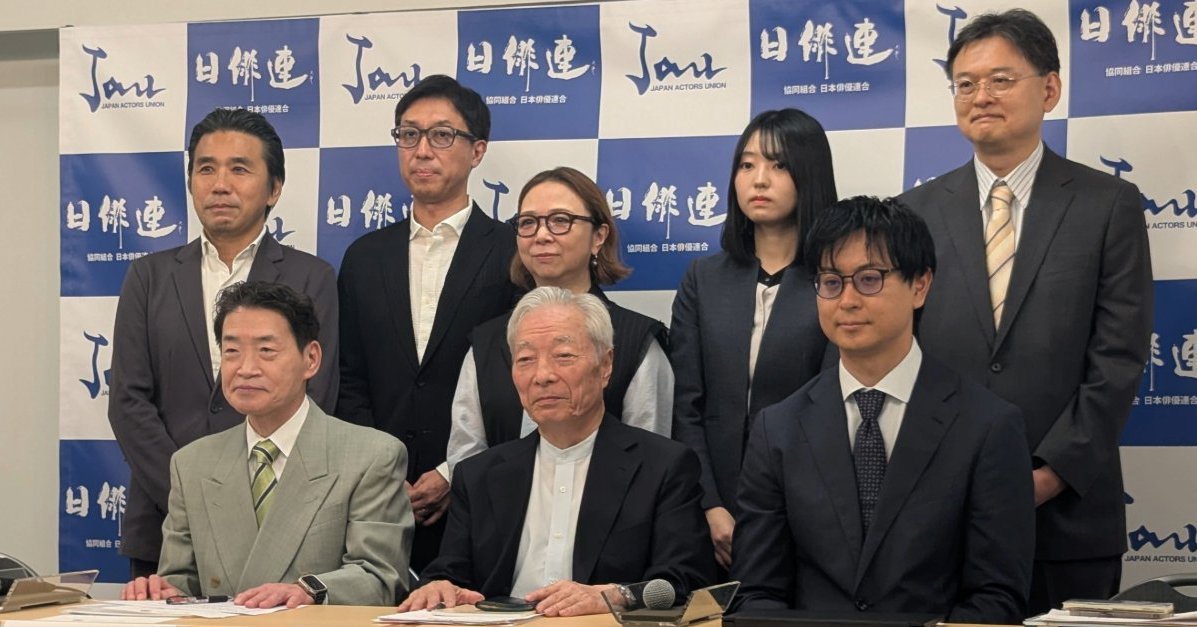
Nichiren announced its generative AI voice usage guideline on October 15, built on three pillars: prior notice…
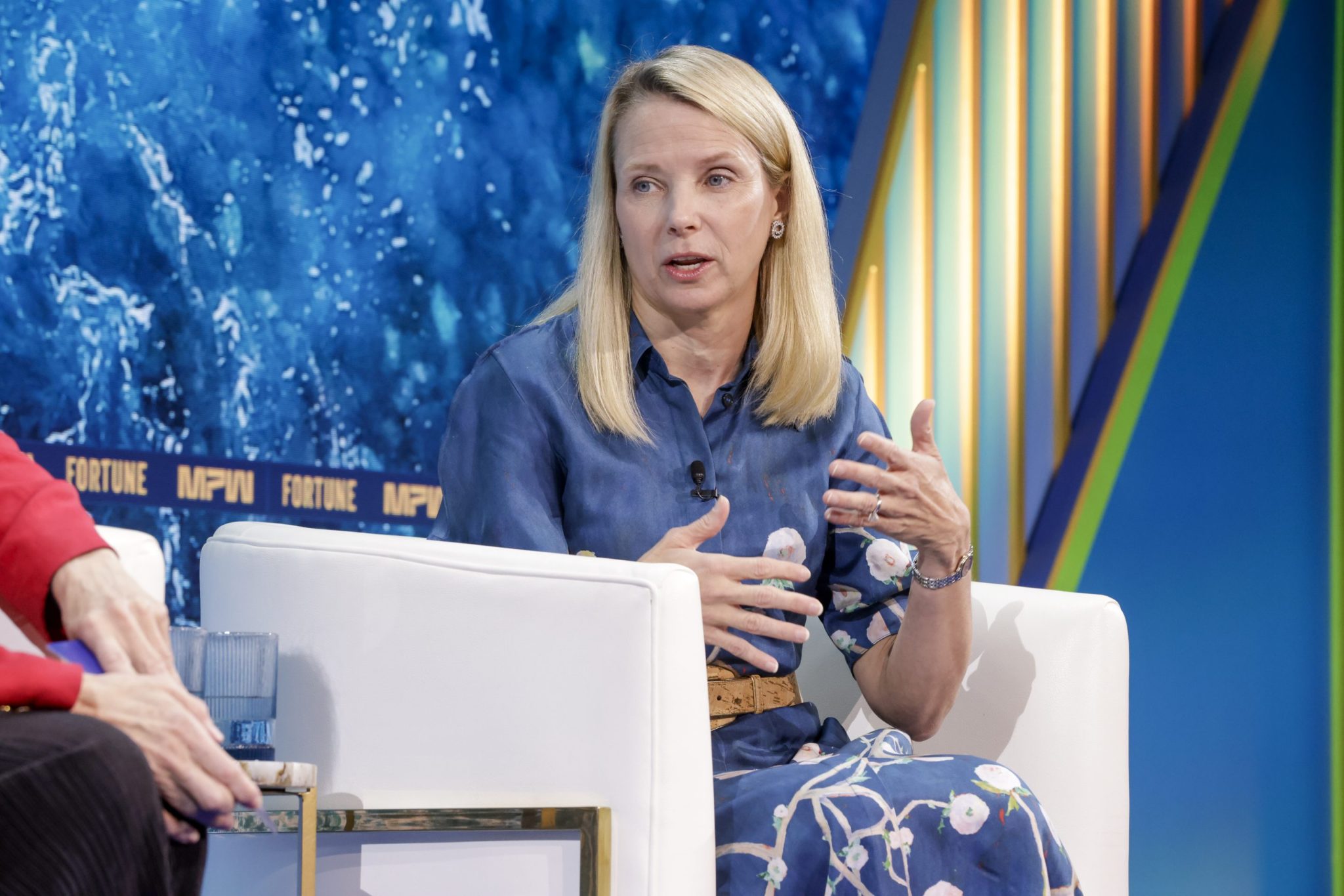
At the Most Powerful Women Summit, Marissa Mayer said anyone who claims to know how AI will play out is 'eithe…
SHIFT announced it began a project for the Acquisition, Technology & Logistics Agency (防衛装備庁) covering AI-rela…
After its first meeting Thursday, the White House AI task force formally adopted its charter, opening a 120-da…