What happened
The SEC sued Owen Meyer and Meyer Global Management, alleging he raised at least $18.5 million from nearly 100 investors and misappropriated at least $1.27 million, including more than $18,000 in fund capital at a strip club in April 2023.
Why it matters
Funds pitched as safe holdings allegedly sent investors fabricated statements while client money paid personal expenses, and the SEC is seeking to bar him from the industry.
What to watch
The firm is accused, not yet ruled against, so the outcome hinges on whether the court accepts the SEC's account; Meyer invoked his Fifth Amendment rights when asked about a $10,000 transfer.
WHO IT HITSRetail investors — including Navy veterans recruited by a co-defendant in a separate case — who backed fund advisers promising hard-to-get private shares are the group most exposed, according to the SEC's allegations.
Summaries like this, in your inbox every morning.
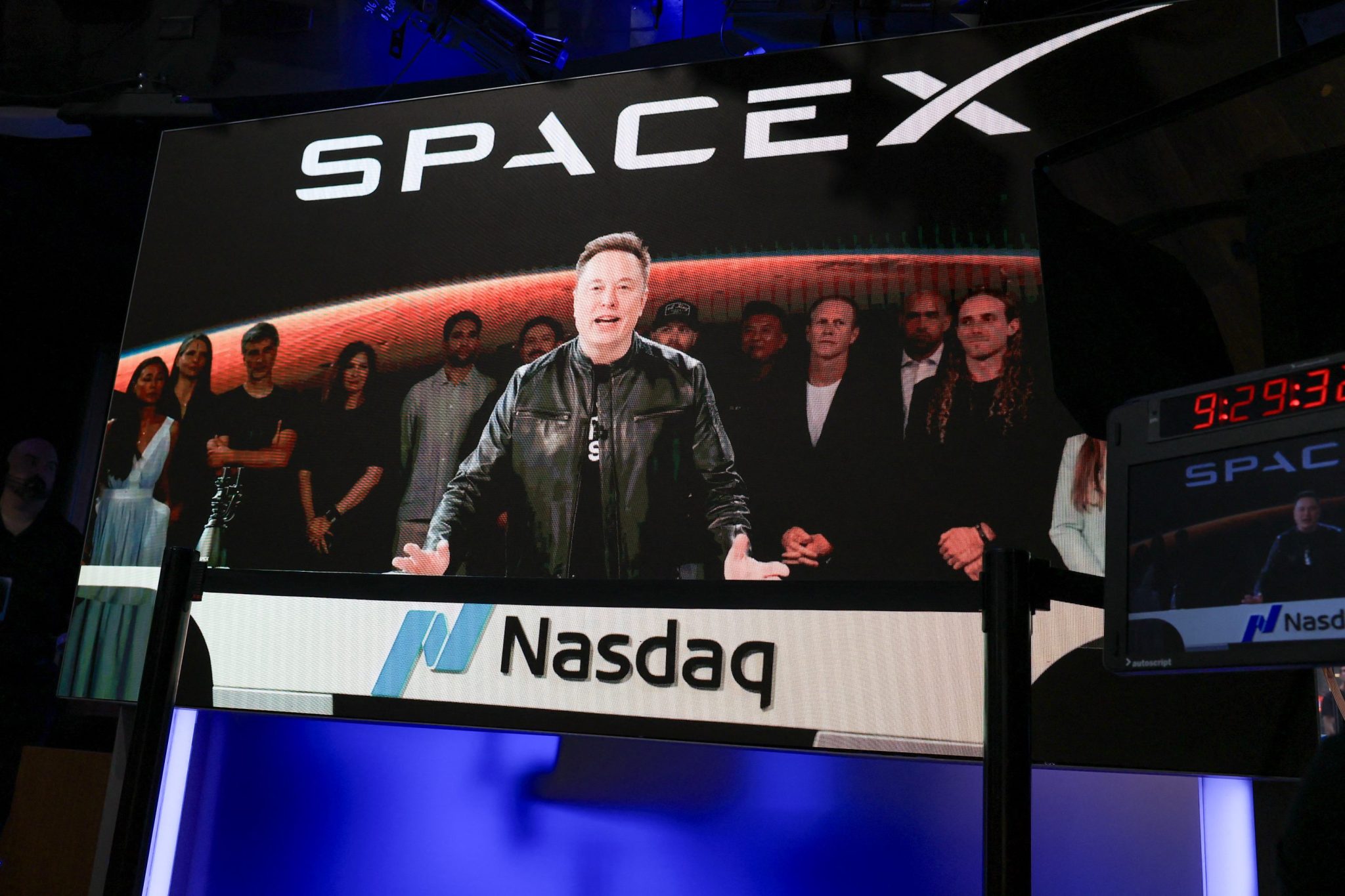
The two cases announced Wednesday follow a run of SEC charges tied to pre-IPO stakes, misappropriated investor funds, and hidden fees in recent months — a wave the body links to SpaceX's blockbuster $1.8 trillion IPO in June. Earlier charges also alleged hundreds of investors were drawn in by claims that advisers could grant access to companies including Anduril, Anthropic, and Perplexity as valuations climbed.
In Meyer's case, the SEC says he built 16 funds, each aimed at one pre-IPO company, and told investors a SpaceX purchase had closed in 2021 even though the third-party fund holding the shares would not approve the transfer. A fund meant for OpenAI never got shares, yet six investors wired nearly $1.1 million in April, the SEC claims, and were not told for about six months. The alleged pattern is the same across funds: statements that showed sound or growing positions, while money moved to Bloomingdale's, Amazon, a personal bank account, or a father.
The parallel case against Christopher Dinelli and Jacob Frankel, who allegedly defrauded 35 investors of more than $8.7 million, points to the same pitch — access to names ordinary investors cannot buy. Frankel has denied the allegations, saying they are "completely false" and that the "truth will come out in court." For the investors who wired money, recovery may hinge on how much remains; the SEC says only about $15,600 was left in one OpenAI fund, though about $13.1 million was repaid after other liquidations.
Pick your industry and the AI tools you use, and get news related to your work every day.
Free · 30 seconds with Google · unsubscribe anytimeWhat is AIToday? →
Ask AI anything about this article. The AI reads this article, earlier AIToday articles, and Wikipedia, and cites its sources. Q&As are published on this page for other readers too.
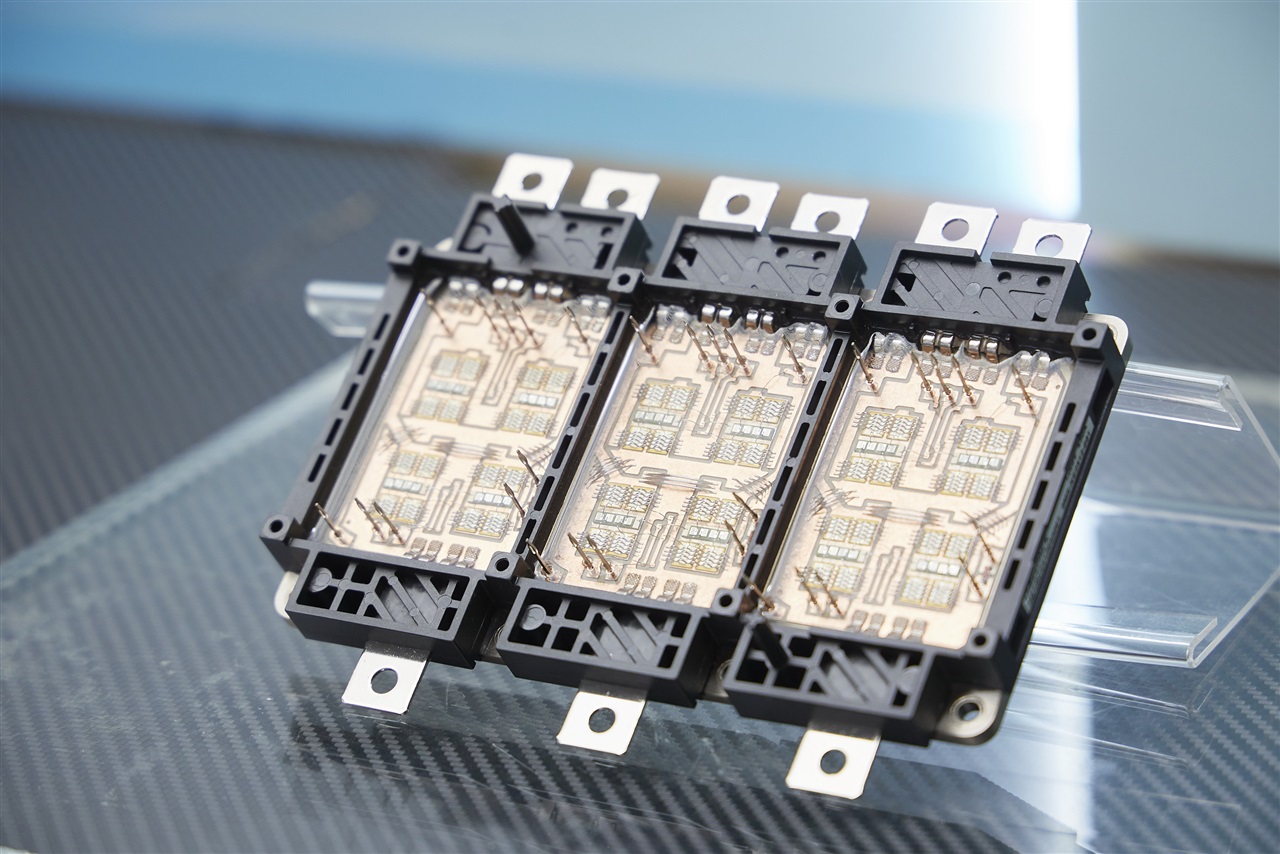
DIGITIMES reported the SiC substrate market is finally seeing signs of recovery, after prices collapsed when w…
HENNGE said on October 1 it set up HENNGE AI, a subsidiary with only two directors and no other employees, whe…

Pershing Square sold its entire Alphabet stake and topped off Microsoft while it sat about 20% below its Q2 hi…
Aolani will integrate Karman's power orchestration platform, built on a custom NVIDIA Jetson Orin Nano and tar…

CloudNC raised $20 million led by Nimble Ventures, with Calculus Venture Capital, Entrepreneur First and LM Ve…
Solomon Asamoah laid out a framework for Ghana's AI infrastructure, arguing data-centre approvals should start…