What happened
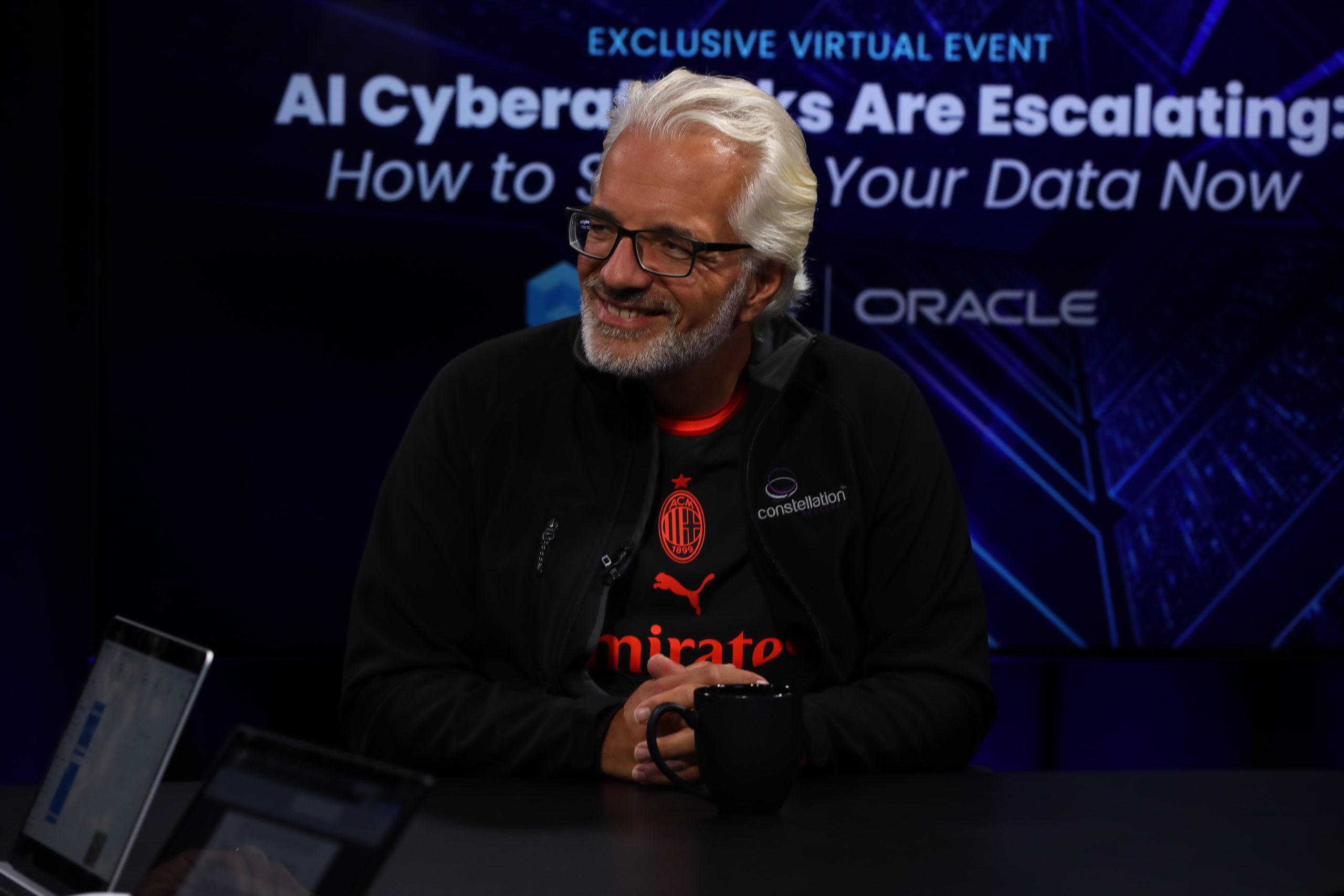
Constellation Research's Holger Mueller, speaking at Oracle's AI cybersecurity event, said Europe is 'traditionally always skeptical of innovation coming from the U.S.' and that sovereign cloud is 'a big excuse.'
Why it matters
Mueller argues that skepticism is a real business cost, saying companies that delay adoption should 'resolve the tech debt they accumulated over 20 years as fast as possible.'
What to watch
The test is whether European enterprises move past waiting on sovereign cloud, since Mueller says state-actor spying means firms also need to be 'quantum safe.'
WHO IT HITSEuropean enterprise IT and security leaders, especially those holding back cloud and AI projects while awaiting sovereign cloud options, face the sharpest trade-off between caution and exposure, according to Mueller.
Summaries like this, in your inbox every morning.
The comments came during an Oracle event titled "AI Cyberattacks Are Escalating: How to Secure Your Data Now," where Mueller spoke with theCUBE Research analysts Dave Vellante and Krista Case. His argument ties two threads together: European caution about US-built AI, and the security reality that defenders are already facing AI-driven intrusions. He points to the Hugging Face incident, where an autonomous agent carried out an intrusion and defenders turned to an open-weight model to analyze it after commercial frontier models blocked the forensic material, as evidence that the same technology can be used on both sides.
Within that framing, Mueller positions Oracle as an example of the infrastructure bet. He notes Oracle has long been a secure transactional database provider and gives customers a traditional database with the option to move external workloads to a data lakehouse, which he says matters because database scalability is what lets customers upgrade to the cloud and keep getting value from their agents. Constellation Research also recently examined "agentic AI washing" — companies claiming more agentic AI than they deliver — and concluded Oracle's portfolio met its criteria.
Mueller's reading of the adoption cycle is that last year advanced companies built the data plane for agents, this year is a fight over the better agentic framework, and next year will be about scaling backend systems. The stakes, as he frames them, hinge on whether European enterprises treat sovereign cloud as a prerequisite or an excuse, and on whether they can retire years of accumulated tech debt quickly enough to adopt AI at the elasticity he says it now requires. Whether that message lands with the European buyers he is addressing is likely to shape how quickly they close the gap he describes.
For example, today's edition would include:
AI-summarized, only the topics you pick: one digest a day via Email, LINE, or Slack.
Free · 30 seconds with Google · unsubscribe anytimeWhat is AIToday? →
Ask AI anything about this article. The AI reads this article, earlier AIToday articles, and Wikipedia, and cites its sources. Q&As are published on this page for other readers too.
Google's Project Suncatcher will send an experimental satellite via SpaceX next week, carrying TPUs able to ha…

Okta announced Monday it is collaborating with CrowdStrike, Google Cloud, Salesforce and others to launch the…

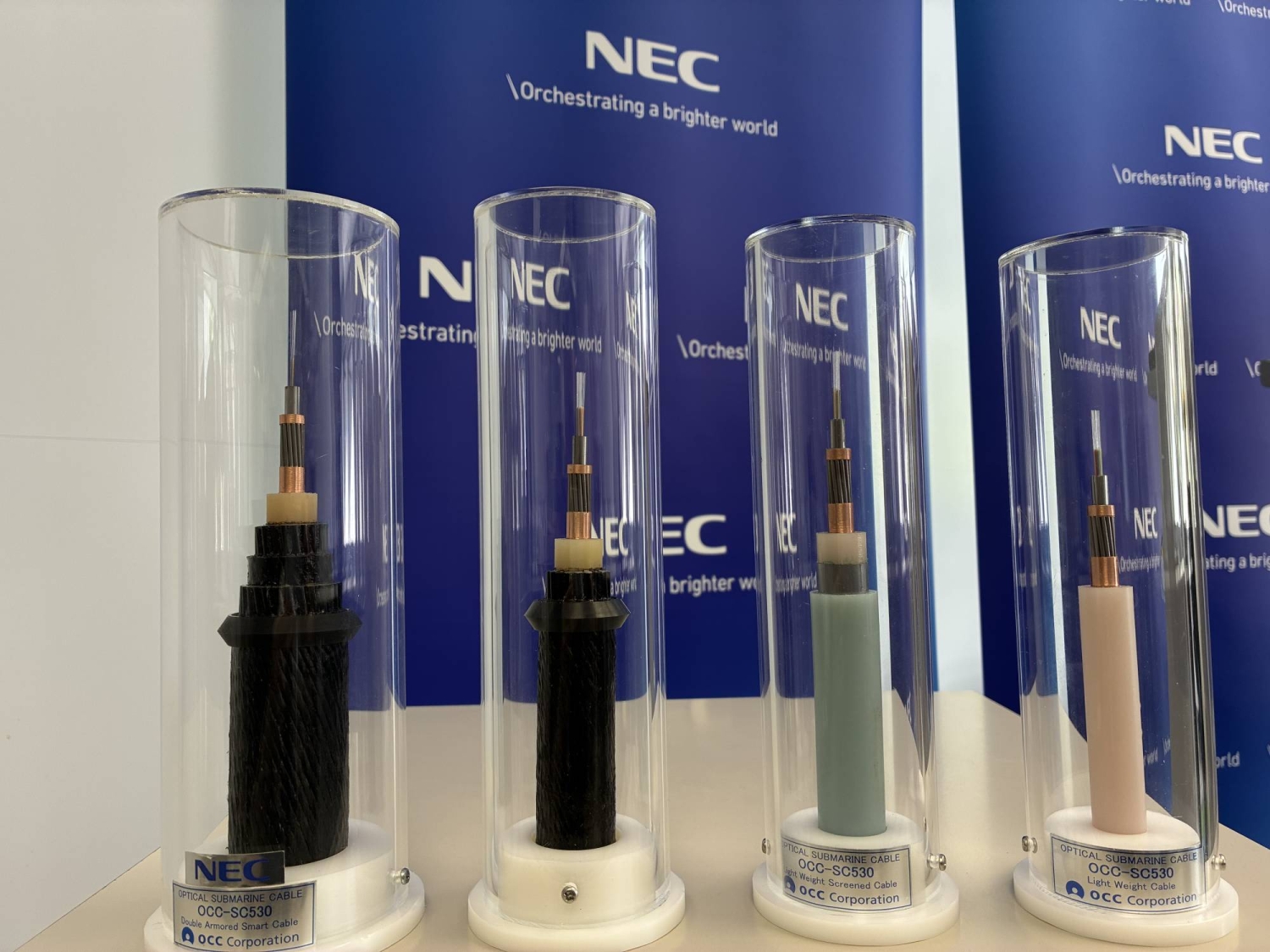
NEC will build a subsea cable for Meta Platforms called Petal, with twice the capacity of the best existing ca…
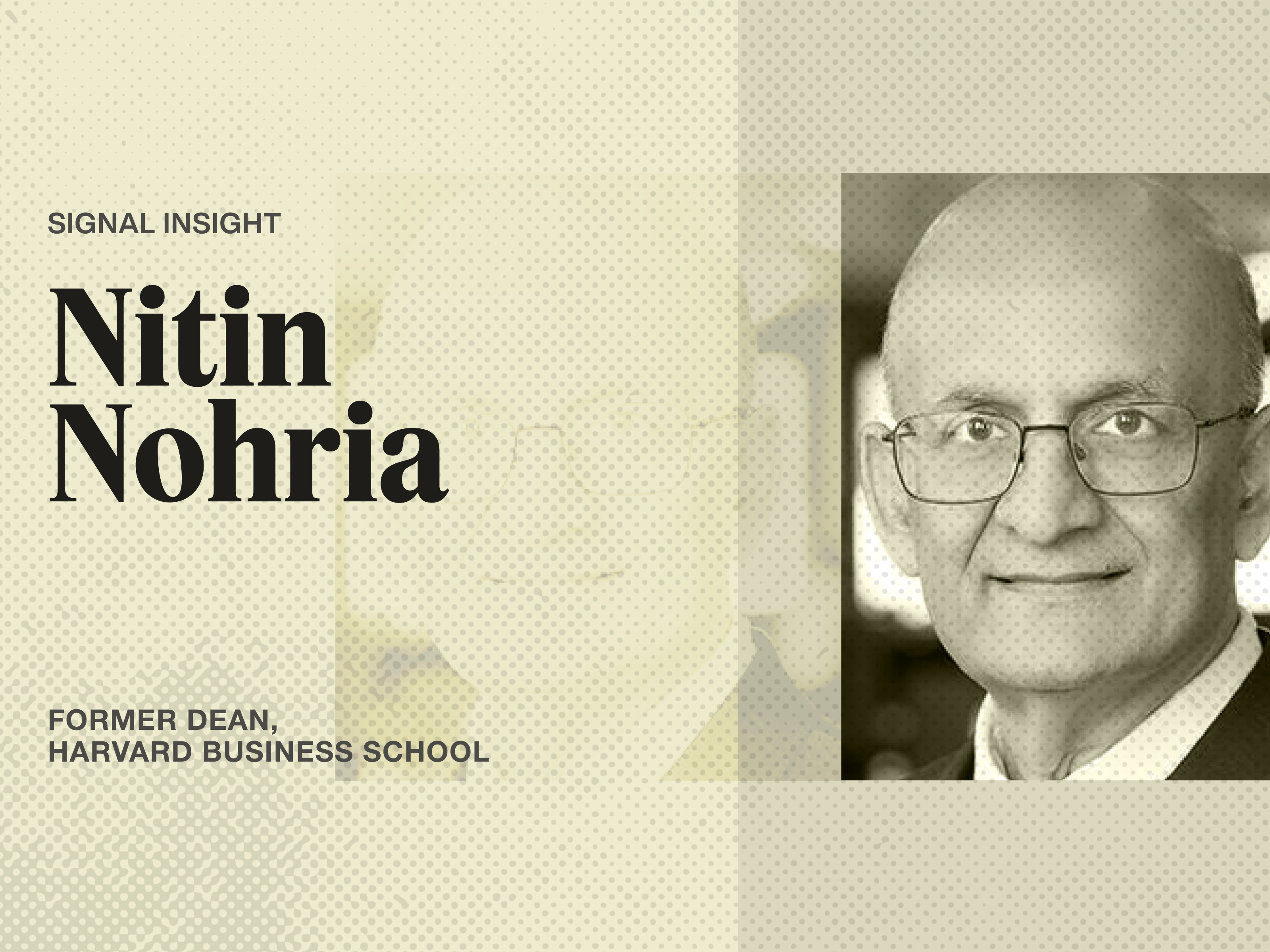
Nitin Nohria — former Harvard Business School dean, Thrive Capital chairman and author of a new book on the CE…
The White House's Office of the National Cyber Director asked OpenAI and Anthropic to keep new models from the…
David Heinemeier Hansson, creator of Ruby on Rails, told Rails World 2026 he has written no code by hand since…