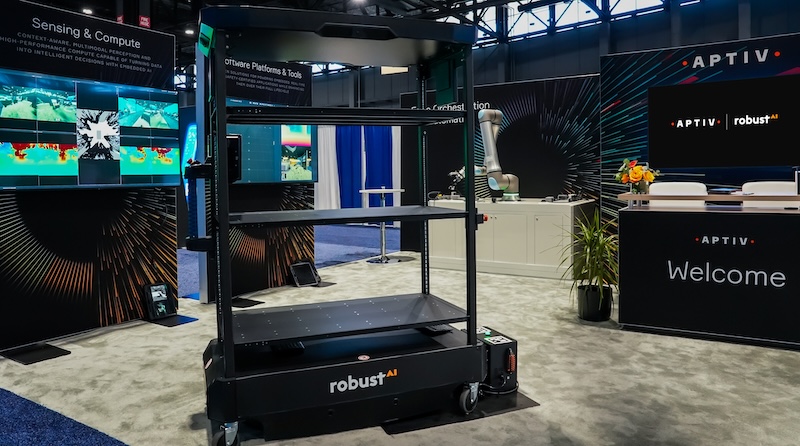
Robust.AI has selected Aptiv's Pulse AI-powered perception system—which fuses radar and vision using machine learning—for its Gen 3 Carter warehouse robot.
The partnership combines Aptiv's sensor technology with Robust.AI's robotics expertise to deliver reliable performance in complex warehouse environments.
Aptiv is advancing toward functional-safety certification for Pulse, addressing the market's increasing demand for safety-critical perception in automated warehouse operations.
What happened
Robust.AI has selected Aptiv's Pulse sensor—an AI-powered perception system combining radar and vision—for its Gen 3 Carter collaborative mobile robot. Aptiv is also working toward PL(d) safety certification for Pulse across relevant industrial safety use cases.
Why it matters
Warehouse automation requires perception systems that work reliably in real-world conditions such as dust, glare, moisture, and reflective surfaces that degrade conventional systems. By combining Aptiv's sensor fusion with Robust.AI's AI perception and navigation technology, the partnership aims to deliver safer, more scalable warehouse automation while meeting functional-safety standards increasingly demanded by the market.
What to watch
The companies are advancing Pulse toward PL(d) certification—a high-reliability safety classification under ISO 13849-1 standard for hazardous robotics applications. This certification pathway reflects growing industry demand for functional-safety support as robots operate with higher automation near people and equipment.
Ask the AI about this article →
Robust.AI and Aptiv's collaboration represents a consolidation of specialized expertise in warehouse automation. Aptiv brings sensor fusion technology—the integration of radar and vision data via machine learning—that addresses a fundamental challenge in warehouse robotics: reliable perception in cluttered, dynamic environments where dust, moisture, glare, and reflective surfaces can defeat conventional vision-only systems. Robust.AI contributes industry-leading software for visual localization and mapping (vSLAM) and AI perception, creating a combined solution that the partners position as more comprehensive and scalable.
The emphasis on PL(d) safety certification signals a market shift toward functional safety as a table-stakes requirement rather than an optional feature. As warehouse robots move from isolated, controlled test environments into real human workspaces—operating around people, equipment, and obstacles—regulatory and customer expectations for certified safety have risen. By advancing Pulse toward this high-reliability classification, Aptiv is betting that perception vendors will need to meet these formal safety standards to win enterprise deployments. This also reflects broader industry maturation: early-stage automation could rely on best-effort perception, but production-scale warehouse fleets operating near workers demand assurance that perception failures do not cause injury or damage.
For example, today's edition would include:
AI-summarized, only the topics you pick — one digest a day via Email, Slack, or Discord.
Free · takes 30 seconds · unsubscribe anytimeWhat is AIToday? →
Ask AI anything about this article. Q&As are published on this page for other readers too.
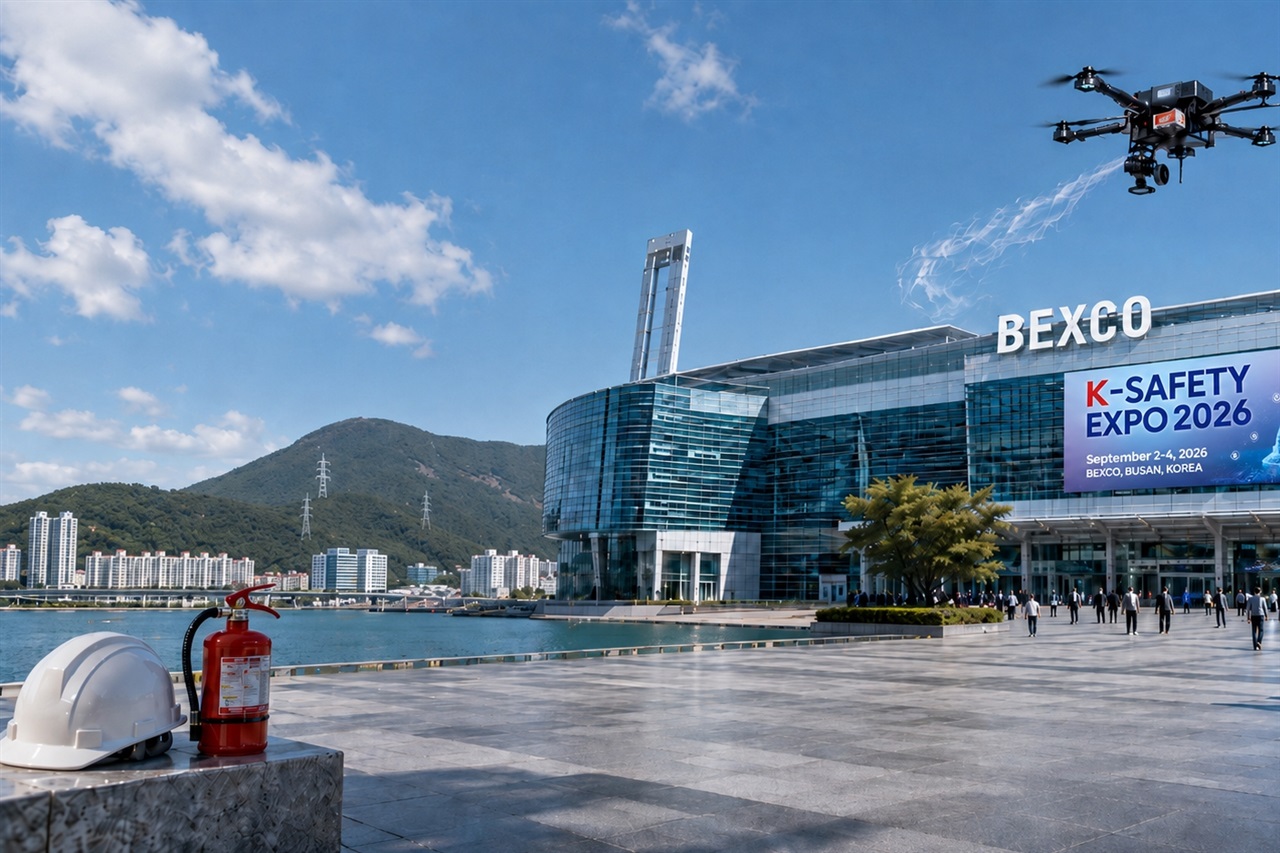
K-Safety Expo 2026 will be held at BEXCO in Busan from September 2–4, featuring AI, robots, sensors, and conne…
Skild AI has introduced S1, its flagship robot foundation model, which lets robots learn new, complex tasks by…
BHP, the world's largest mining company by market capitalization, has deployed AI across its operations
John Deere announced a three-year, $10 million research and development partnership with ag-tech company Reser…
On July 16, 2026, NVIDIA announced that 22 Japanese companies and organizations have expressed intent to join…
Panasonic HD has established a new AI and robotics research and development division, and CAIO Sakaba is leadi…