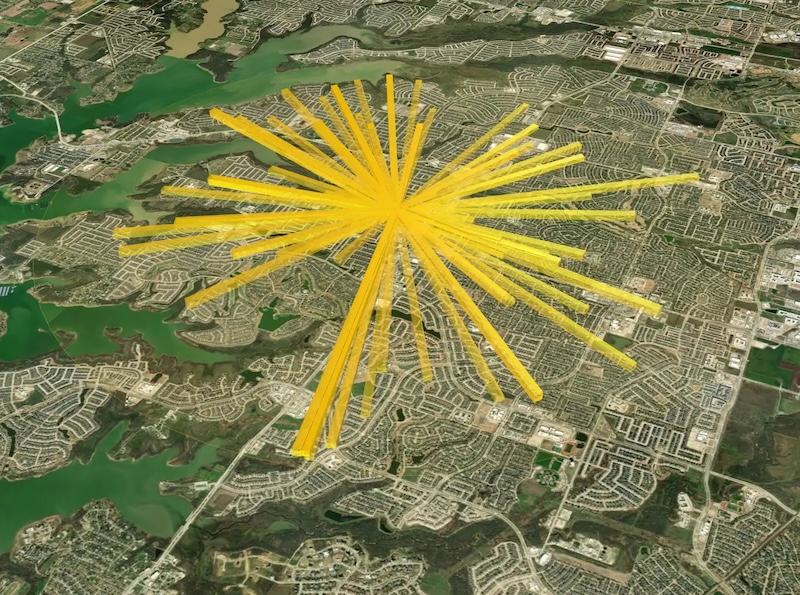
Flytrex and Wing successfully flew approximately 8,000 drone delivery flights in overlapping airspace near Dallas between January and February 2026 without any reported conflicts, using an automated traffic management system developed for the FAA.
The milestone shows that competing drone operators can scale simultaneous commercial deliveries in shared airspace through automated coordination, a capability that may help the industry expand beyond today's limited operating areas.
What happened
Flytrex and Wing completed approximately 8,000 drone delivery flights in overlapping airspace between January and February 2026 across operational areas in Little Elm and Wylie, Texas, with zero reported airspace conflicts. The achievement represents scaling from a handful of overlapping flights to thousands per month in under a year, using the FAA's automated Unmanned Traffic Management (UTM) system to coordinate routes without manual intervention.
Why it matters
This demonstration that competing drone operators can safely conduct simultaneous commercial delivery operations in the same airspace—using automated coordination rather than human oversight—may help establish the technical and operational foundation for multi-operator drone delivery to expand across U.S. metropolitan areas. The system successfully deconflicted every operational flight intent during the test period.
What to watch
Flytrex and Wing operated simultaneously on 30 of 31 active days during the test, with more than 10 hours of overlapping daily operations, and combined daily operations increased by 215 percent between January and February. The FAA's UTM Operational Evaluation currently includes 17 UTM service providers and drone operators, with the framework intended to explore how autonomous traffic management could support the growing number of low-altitude aircraft operating in shared airspace.
Ask the AI about this article →
Flytrex achieved this milestone less than a year after becoming one of the first commercial drone operators in the United States to use an automated UTM service. The system relies on the Strategic Coordination service based on the ASTM F3548-21 USS Interoperability standard, which allows multiple drone operators to exchange real-time flight intent data and automatically adjust routes to avoid conflicts without manual coordination.
The Dallas-Fort Worth test demonstrates that the technical barriers to multi-operator drone delivery in shared airspace can be managed through automation. Combined daily operations increased by 215 percent between January and February, while maintaining zero airspace conflicts across simultaneous operations on 30 of 31 active days. The body notes that advances in route allocation, four-dimensional trajectory coordination, and real-time deconfliction are helping support denser commercial drone operations as companies expand into additional metropolitan areas.
The broader FAA framework encompasses 17 UTM service providers and drone operators, indicating that this Dallas milestone is part of a structured exploration of how autonomous traffic management could support the growing number of low-altitude aircraft in shared airspace. The commercial viability of this operational model may become an enabling factor for drone delivery expansion beyond the current handful of metropolitan test zones.
For example, today's edition would include:
AI-summarized, only the topics you pick — one digest a day via Email, Slack, or Discord.
Free · takes 30 seconds · unsubscribe anytimeWhat is AIToday? →
Ask AI anything about this article. Q&As are published on this page for other readers too.
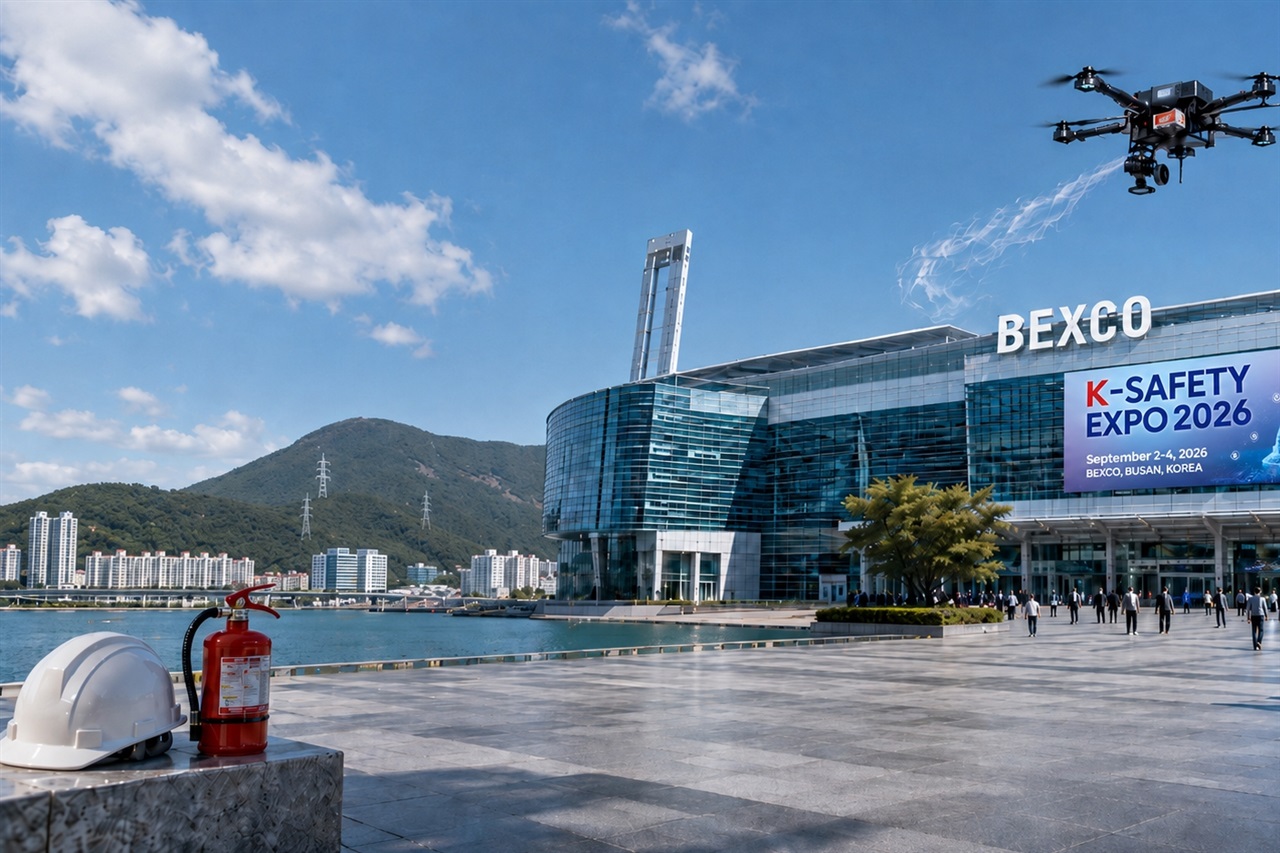
K-Safety Expo 2026 will be held at BEXCO in Busan from September 2–4, featuring AI, robots, sensors, and conne…
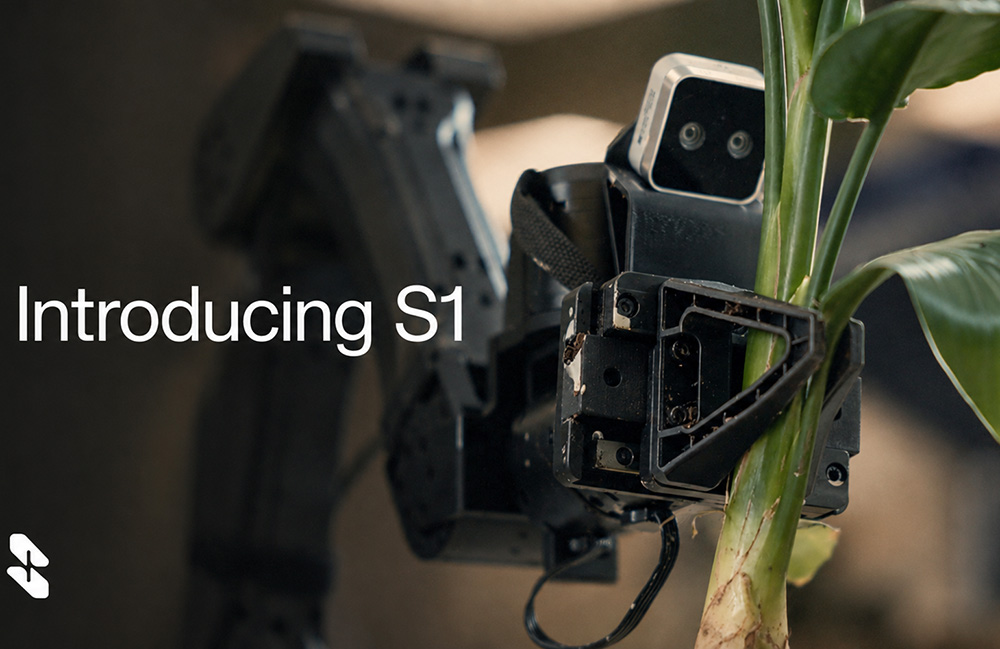
Skild AI has introduced S1, its flagship robot foundation model, which lets robots learn new, complex tasks by…
BHP, the world's largest mining company by market capitalization, has deployed AI across its operations

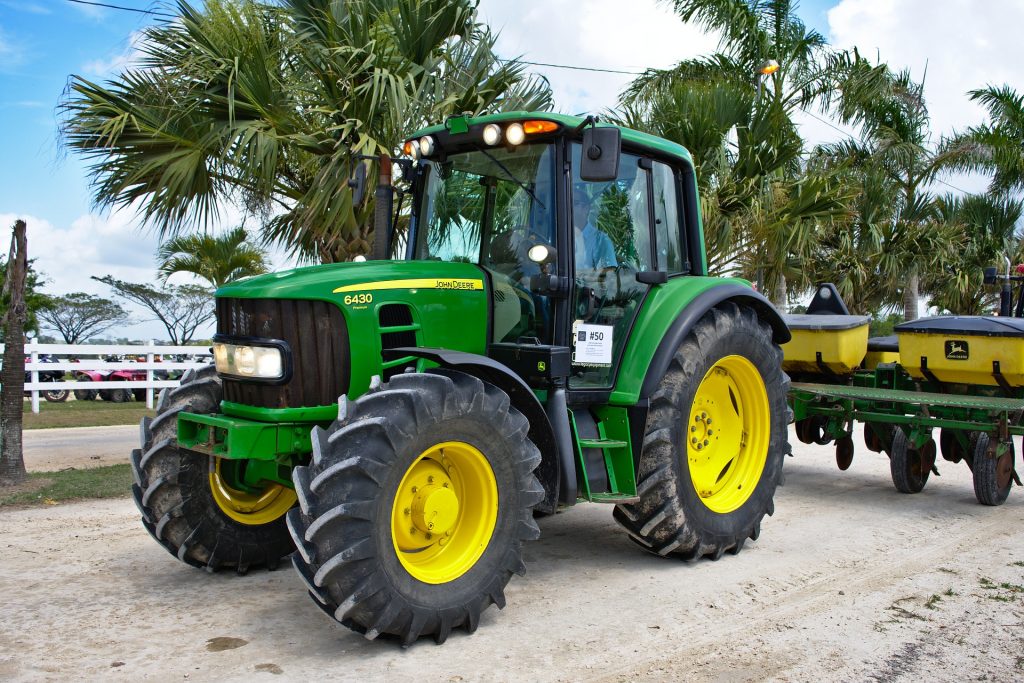
John Deere announced a three-year, $10 million research and development partnership with ag-tech company Reser…
On July 16, 2026, NVIDIA announced that 22 Japanese companies and organizations have expressed intent to join…
Panasonic HD has established a new AI and robotics research and development division, and CAIO Sakaba is leadi…