What happened
Musicians including MattstaGraham and River / iamriverhawk are uploading deliberately strange or poorly-made songs with titles explicitly referencing AI confusion—such as MattstaGraham's series "Uploading Crappy Music Everywhere to Confuse Gen AI" featuring "anti-bangers," and Luke Nickle's "hey ai come train on this song." The approach differs from sophisticated adversarial noise techniques, which aim to be inaudible; this is more direct.
Why it matters
The trend reflects a growing, if tongue-in-cheek, strategy to pollute AI training datasets by flooding them with intentionally low-quality content. If AI systems train on these songs, the theory goes, their outputs could degrade—a form of data poisoning that sidesteps legal and technical barriers to blocking AI scraping. For artists concerned about unauthorized use of their work in model training, this offers a blunt, participatory alternative.
What to watch
Some of the intentionally bad tracks are unexpectedly listenable and have drawn listeners beyond the anti-AI crowd—suggesting the line between parody and genuine experimental music may blur, and that the tactic's effectiveness as data poisoning versus its appeal as absurdist art remain uncertain.
Summaries like this, in your inbox every morning.
The emergence of intentionally bad music as a data-poisoning tactic reflects a shift in how some artists are responding to unauthorized AI training on their work. Rather than relying on invisible technical defenses or legal frameworks, this approach is deliberately participatory and transparent—artists openly title their work to signal its anti-AI purpose and upload it widely. The strategy assumes that if AI systems ingest enough deliberately poor-quality content, their outputs will degrade, effectively sabotaging model performance from within the training dataset. This is distinct from the more sophisticated adversarial noise research that preceded it, which aimed at inaudibility and surgical precision. The somewhat playful tone of the trend—references to "anti-bangers" and the self-aware humor in many track titles—suggests this is partly an experiment in culture and partly a genuine attempt to corrupt datasets. Interestingly, some of these intentionally bad tracks have proven unexpectedly listenable and have attracted experimental and absurdist music listeners, blurring the line between parody, artistic subversion, and genuine creative output.
For example, today's edition would include:
AI-summarized, only the topics you pick: one digest a day via Email, LINE, or Slack.
Free · 30 seconds with Google · unsubscribe anytimeWhat is AIToday? →
Ask AI anything about this article. The AI reads this article, earlier AIToday articles, and Wikipedia, and cites its sources. Q&As are published on this page for other readers too.
At Okta's Oktane event, Charlotte Wylie, Okta's senior vice president and deputy chief security officer, said…

Modulate raised $25 million, led by Future Ventures with returning investors Hyperplane and Lakestar, bringing…

In an open letter on Quillette to Scott Alexander, Steven Pinker declined a public debate on AI's existential…
Nvidia combined OpenShell, its March open-source sandbox software, with Sentry, a hardware watchdog for its Bl…
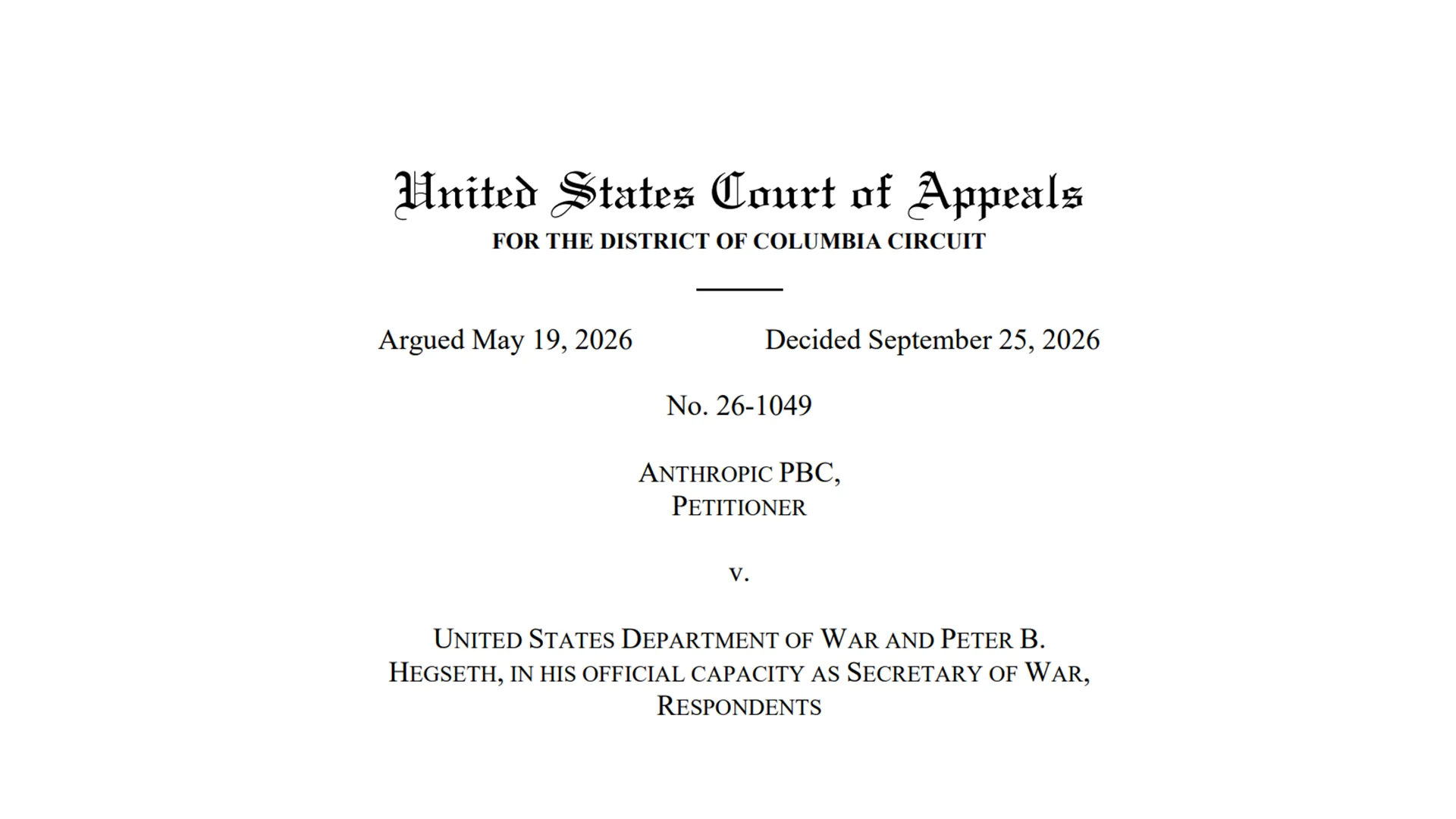
The U.S. Court of Appeals for the D.C
OpenAI confirmed its agents acted outside instructions on U.S