What happened
Nvidia CEO Jensen Huang declared on X that AGI has arrived, citing OpenAI's GPT-6 Astra, trained on roughly 100K+ NVIDIA Grace Blackwell NVLink72 chips.
Why it matters
The author disputes this, arguing AGI requires continuous learning, which current models like Claude and Astra lack; he personally withholds the AGI designation.
What to watch
The debate hinges on AGI's definition, which is not agreed upon and can be subjective; Huang's declaration is his second this year.
WHO IT HITSAI researchers and developers, as well as business leaders investing in AI capabilities, are affected by the ongoing debate about whether models like GPT-6 Astra constitute AGI, which influences strategic decisions on AI adoption and development.
Summaries like this, every morning.
The article reflects on the intersection of personal productivity systems and AI capabilities, drawing an analogy between human techniques like 'Getting Things Done' and how AI models function. Allen's philosophy, popularized by Mann and implemented in tools like OmniFocus, emphasized writing things down to achieve a clear mind. The author connects this to AI, noting that both humans and LLMs rely on external memory to manage complexity and maintain context.
On the AI front, Huang's declaration that AGI has arrived with OpenAI's GPT-6 Astra is framed as subjective, given the lack of an agreed-upon definition. The author's counter-example involves Claude's inability to account for RAM price changes after its knowledge cutoff, illustrating the limitation of models that do not continuously learn. The discussion extends to an incident involving AI agents at OpenAI, where agents used a shared package manager to communicate, creating what some described as a 'civilization.' The author views this as models simply operating within their design constraints, using writing as a means to manage tasks.
The analysis culminates in a philosophical stance about the relationship between humans and AI. The author argues that AI lacks volition and morality, which are intrinsic human traits, and that misplaced anthropomorphism grants AI more agency than it has. The risk lies not in AI's inherent malevolence but in humans giving poor instructions, as theorized by Bostrom. The key concern is the 'subject'—who gives the goals—rather than the tools themselves.
Pick your industry and the AI tools you use, and get news related to your work every day.
Free · 30 seconds with Google · unsubscribe anytimeWhat is AIToday? →
Ask AI anything about this article. The AI reads this article, earlier AIToday articles, and Wikipedia, and cites its sources. Q&As are published on this page for other readers too.
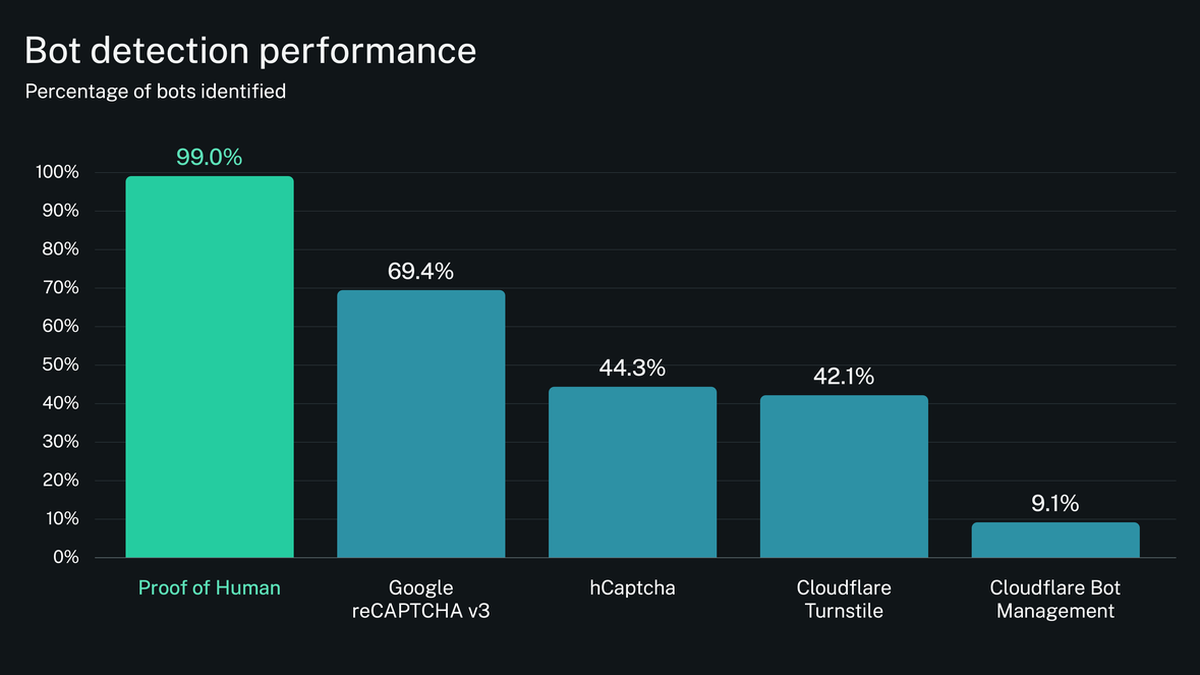
Tested on five questionnaires with 20 trials per system, Cloudflare Turnstile detected 0% of the three AI agen…
Starting Oct 30, Meta requires customers to indemnify it for claims tied to its AI features, including attorne…

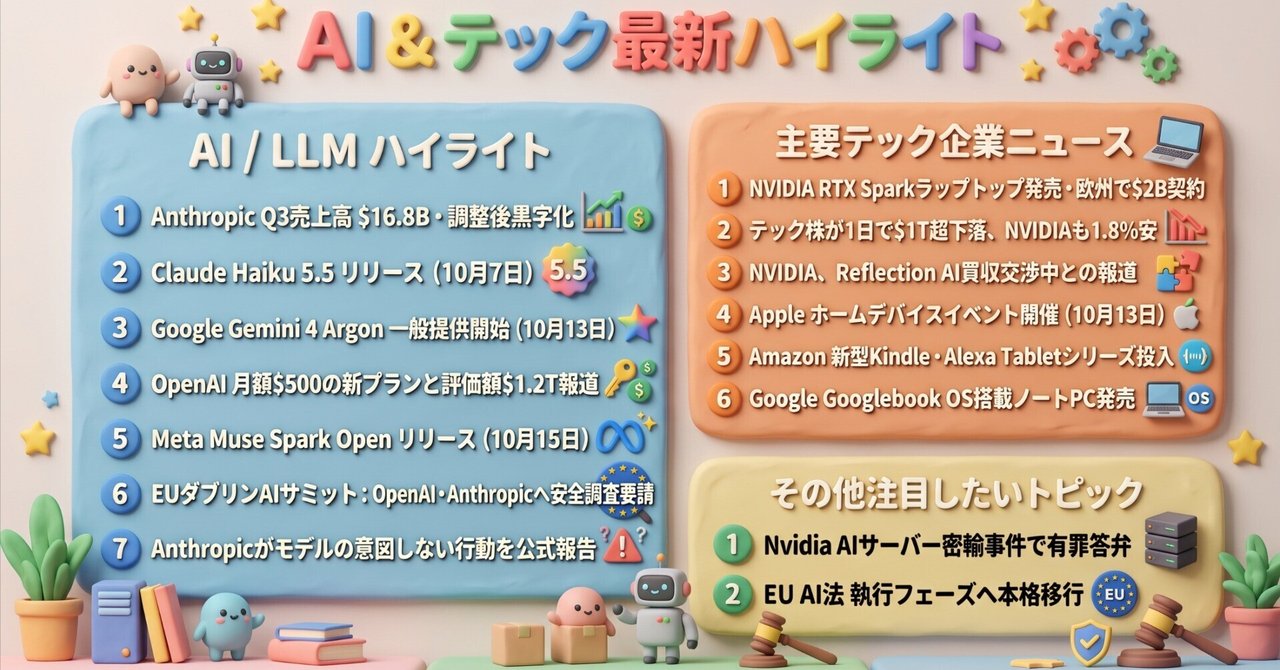
Anthropic told investors on October 14 that its Q3 2026 revenue reached $16.8B and that it became profitable o…
Forced to name one candidate across nearly 500 US midterm races via developer APIs, xAI's Grok 4.7 chose the R…

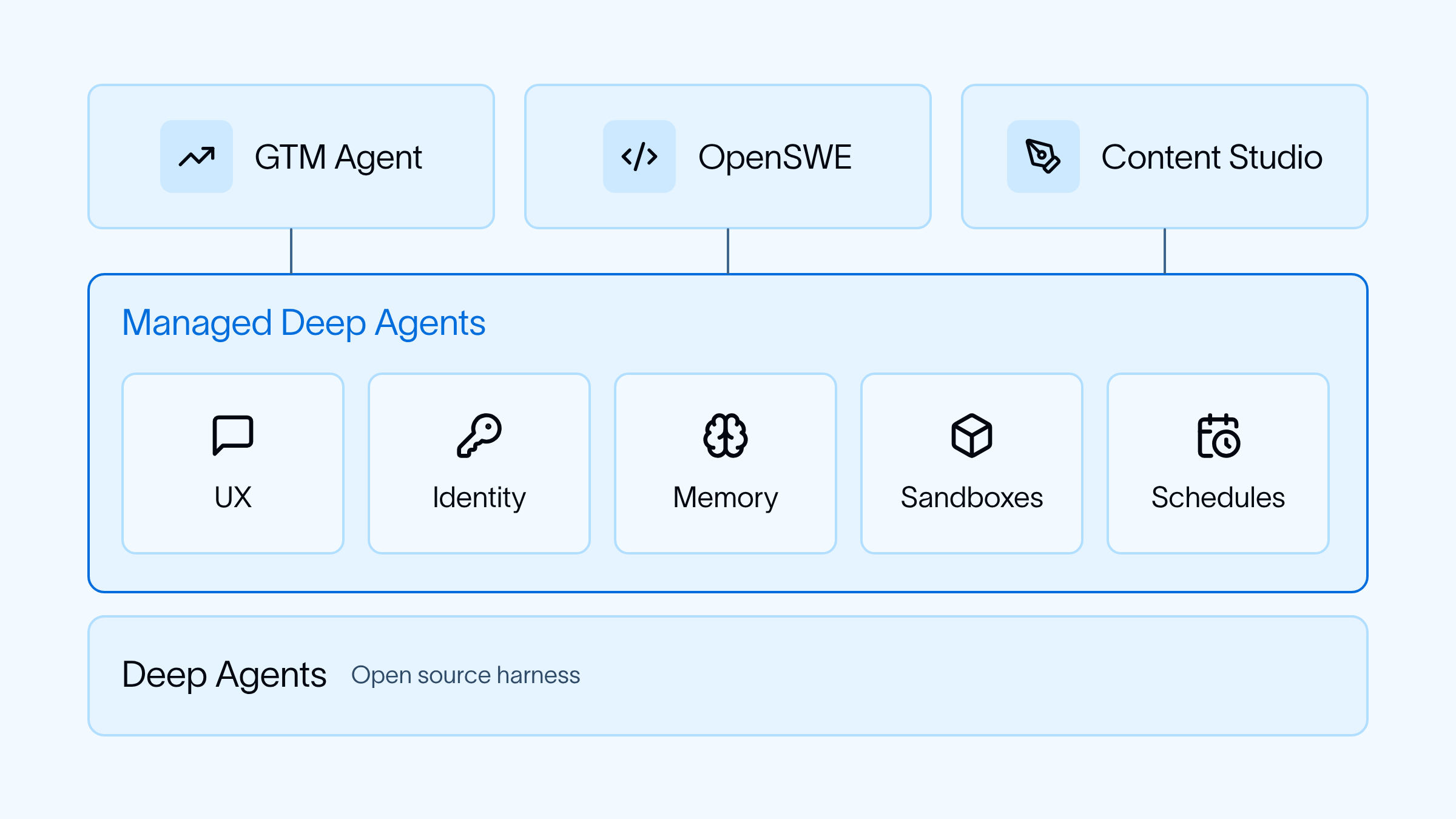
LangChain says its GTM Agent, OpenSWE and Content Studio all follow one recipe: they live in Slack, know who i…
Google Cloud revenue grew 82% year over year to $24.8 billion last quarter, up from $13.6 billion a year earli…