What happened
The Association for Advancing Automation reported that robot order value increased 6.6% year over year in the first half of 2026, with non-automotive sectors offsetting slowdowns among automotive OEMs.
Why it matters
Demand is broadening beyond automotive, as electronics, metals, food and beverage, and pharmaceuticals face skilled-labor shortages — a shift that vendors and integrators are likely to follow.
What to watch
Humanoids draw high interest but are only entering commercial trials, so near-term factory gains hinge on cobots, mobile manipulators, and integration and ROI challenges.
WHO IT HITSFactory operations and automation managers in non-automotive industries such as electronics, metals, food and beverage, and pharmaceuticals, plus the vendors and integrators serving them, are seeing order demand shift away from automotive.
Summaries like this, in your inbox every morning.
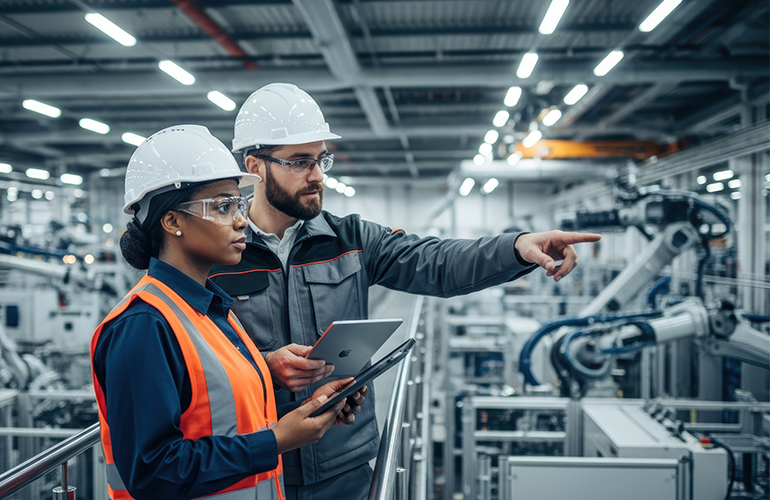
Robotics in manufacturing has moved well beyond the rigidly programmed arms long associated with automotive lines. Improvements in perception, autonomy, and actuation are widening what industrial automation can do, and that technical shift is meeting a labor reality: widespread shortages of skilled workers are pushing demand into electronics, metals, food and beverage, and pharmaceuticals.
The supply side is changing too. Collaborative robots, autonomous mobile robots, and physical AI are letting factories automate tasks and spaces designed around humans, while humanoids attract attention but are only beginning commercial trials. Established forms are already available, which matters for buyers weighing near-term deployment against future potential. The Association for Advancing Automation's 6.6% order growth in the first half of 2026 shows that non-automotive demand has been enough to offset automotive weakness.
Still, identifying the right applications and tools, integrating them, and securing a return on investment remain difficult. That is where the outcome is likely to hinge: whether factories can move from pilot interest — especially in humanoids — to fully integrated deployments that pay off, and for whom those gains land first.
Pick your industry and the AI tools you use, and get news related to your work every day.
Free · 30 seconds with Google · unsubscribe anytimeWhat is AIToday? →
Ask AI anything about this article. The AI reads this article, earlier AIToday articles, and Wikipedia, and cites its sources. Q&As are published on this page for other readers too.
SAIL generates a trajectory with a VLM, runs it in a simulator, scores progress from video, and sends the corr…

The Medical Device and Diagnostic industry is navigating regulatory changes as AI moves from screen to surgica…

Daifuku CEO Tomoaki Terai said at the International Logistics Exhibition 2026 that the company is developing a…

NXHD has begun accepting applications for the second round of its startup co-creation program, targeting AI an…

Matternet unveiled M3 on September 28, 2026 — a three-part system of aircraft, dock and drop-box portal, with…
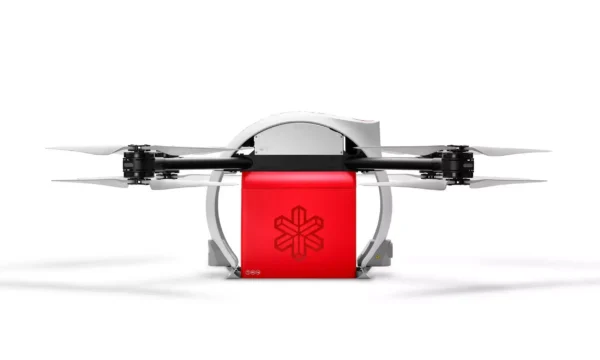
Skydio announced the F10 Lightrunner on September 24, 2026 at its Ascend conference