What happened
A writer rebuilt a Seasar2 environment—CentOS 5 on Docker, Java 1.5, Apache 2.2.3, Tomcat 6.0.53, sa-struts 1.0.4-sp9—documenting failures like a yum mirror error fixed via archive.kernel.org.
Why it matters
The write-up turns setup errors into a learning exercise, showing how investigating a failure step by step can replace the hands-on practice AI coding tools handle for developers.
What to watch
Success hinges on the CentOS 5 container's old OpenSSL 0.9.8e, which forced the switch to a non-SSL mirror; the goal is a browser Hello World at http://localhost/hello.
WHO IT HITSDevelopers and engineering teams who rely on AI coding assistants may find this a template for turning environment errors into deliberate learning, though the walkthrough is a personal experiment rather than a managed-team practice.
Summaries like this, in your inbox every morning.
The author starts from a familiar observation: tools like Claude Code and Codex can produce something plausible even for unfamiliar technology, which is convenient but may quietly remove the learning that comes from struggling. His own path into the craft—reading technical books, chasing certifications, copying code by hand, rebuilding environments from scratch, and searching for errors for a full day—is presented as something today's developers may no longer have the chance or time to do. Deliberately designing learning opportunities inside organizations, he suggests, may be one answer.
The experiment itself is an attempt to relive that struggle. The target is a Seasar2 setup from around ten years ago: a CentOS 5 container running on Docker on Ubuntu, with Java 1.5, Apache, Tomcat and Seasar2 installed directly rather than through compose. The writer is explicit that this is not a clean demo—the yum mirror error and the OpenSSL handshake failure are part of the story, and he explains how he probed the network, checked repository settings and eventually found a working mirror. He also notes that Seasar reached end of life in 2016 and receives no security patches, so it must not be exposed to the internet.
What the reader is meant to take away seems to be less the finished Hello World than the method: write down what you do not understand in each error, then ask AI not just for the fix but for its reasoning and for the knowledge gaps behind it. Whether that approach actually rebuilds the skills lost to convenient tooling is the open question the walkthrough leaves with the reader.
Pick your industry and the AI tools you use, and get news related to your work every day.
Free · 30 seconds with Google · unsubscribe anytimeWhat is AIToday? →
Ask AI anything about this article. The AI reads this article, earlier AIToday articles, and Wikipedia, and cites its sources. Q&As are published on this page for other readers too.
Ghost AI raised $11 million, led by Andreessen Horowitz with Abstract, Audacious Ventures, Nova and SV Angel…

OpenAI will roll out invisible text watermarks to all ChatGPT and Codex plan users in the EU within weeks, and…
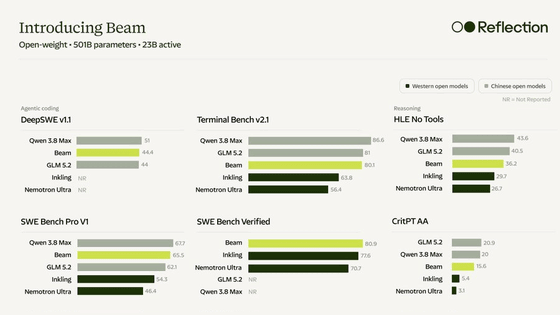
Reflection announced Beam, a 501B-parameter open-weight model with 23B active parameters, claiming parity with…
A Stanford, Carnegie Mellon, UC Berkeley, and Microsoft Research team ran 6,800+ math, coding, and science tas…
Reflection AI launched Beam, a 501 billion-parameter open-source LLM
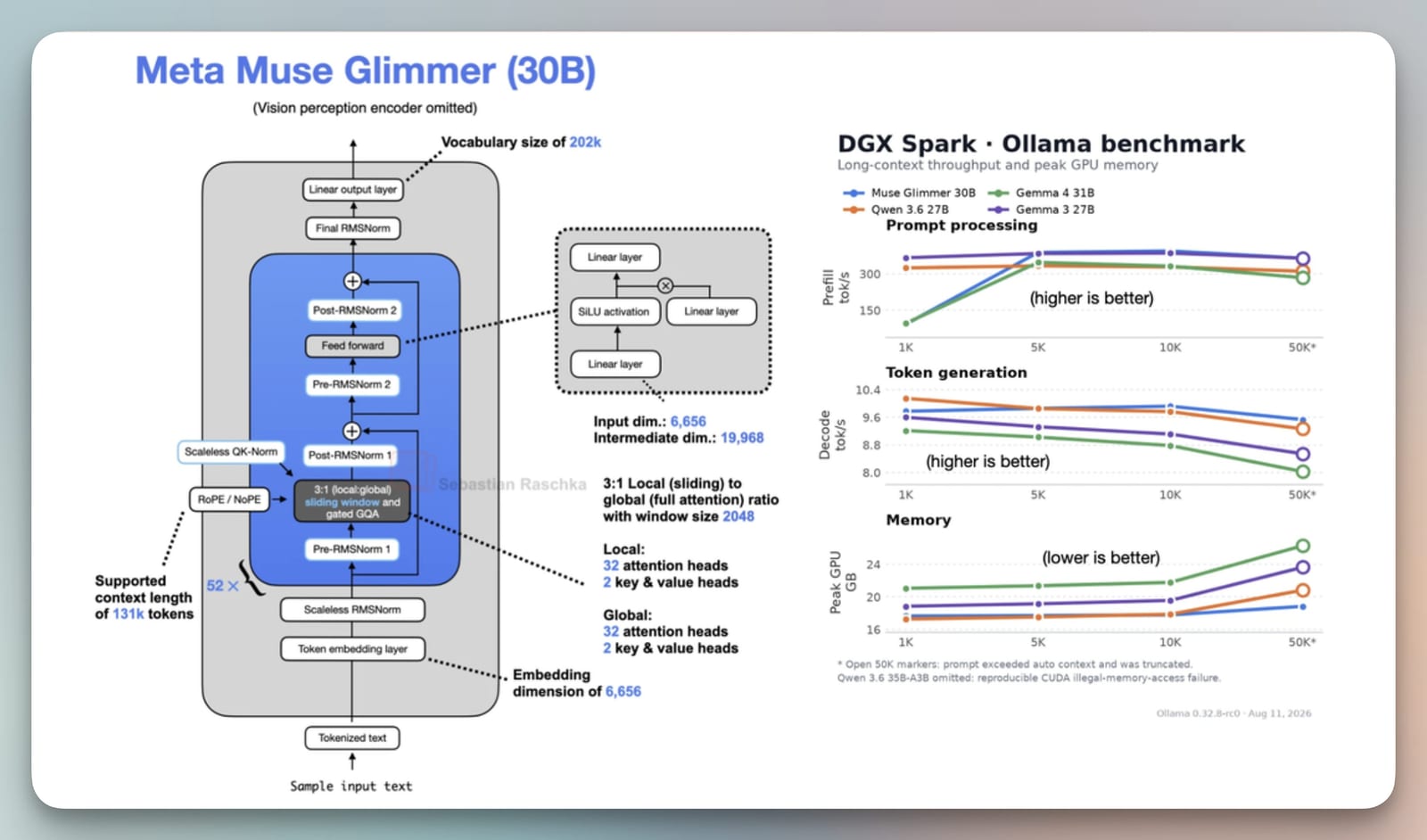
A step-by-step guide fine-tunes Muse Glimmer, Meta's 30B vision model, locally for equation-to-LaTeX conversio…