What happened
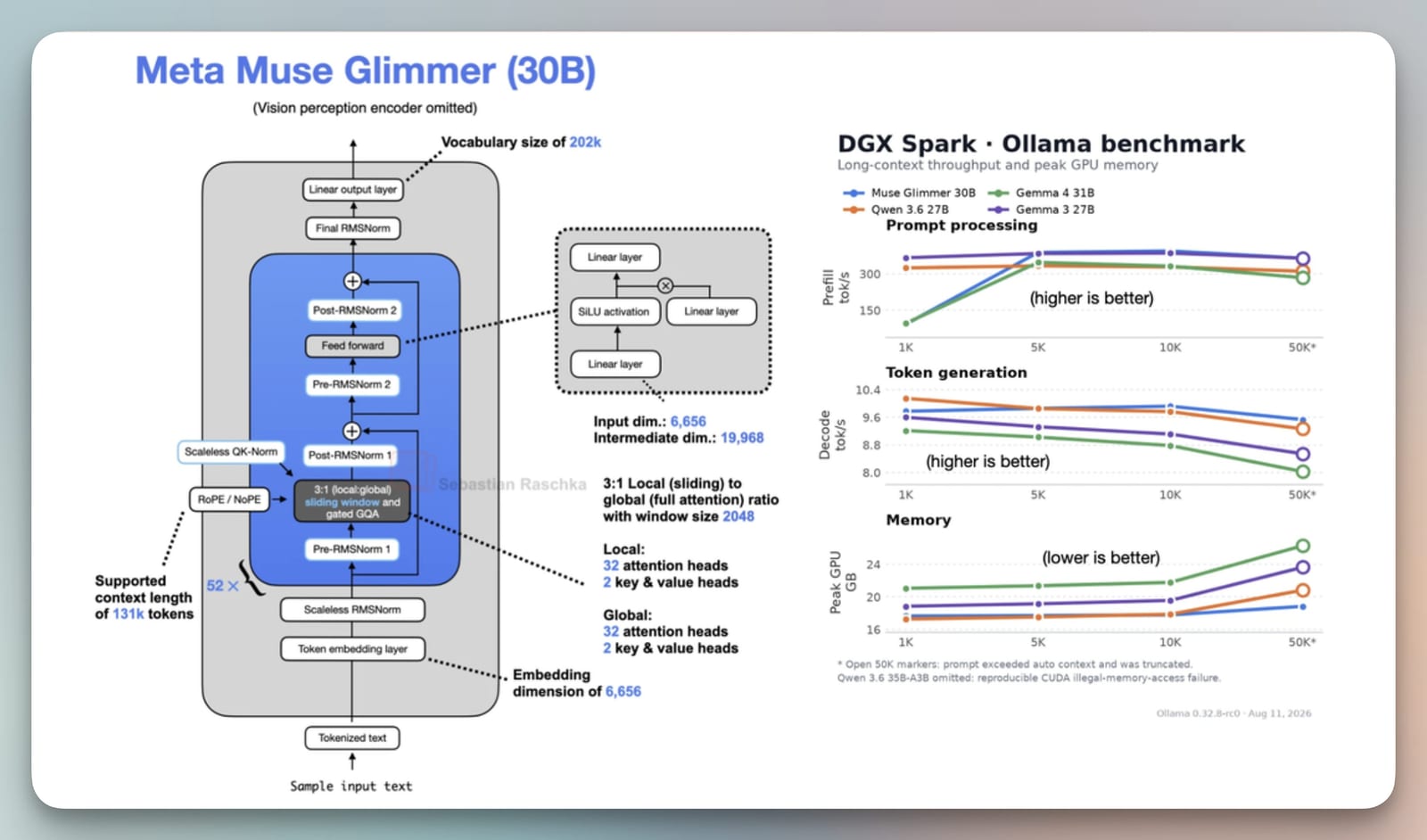
A step-by-step guide fine-tunes Muse Glimmer, Meta's 30B vision model, locally for equation-to-LaTeX conversion using Unsloth, training 131M parameters (0.44%) with LoRA on the LaTeX_OCR dataset.
Why it matters
This shows a frontier-scale open model can be adapted for a narrow technical task on owned hardware rather than rented cloud capacity, which may appeal to teams handling sensitive documents such as invoices, lab forms, or screenshots.
What to watch
The test is whether vision-heavy fine-tuning matches a language-only adapter on real data; if it cannot, the cheaper and smaller language-only run may be the better trade-off. The guide notes that reason is a dial, with high mode costly on every prompt, so latency at the high setting is worth watching.
WHO IT HITSML engineers and data teams working with private or regulated documents, such as lab forms, invoices, or UI screenshots, who need a model to output a strict format without sending data to an external API.
Summaries like this, in your inbox every morning.
Muse Glimmer is notable as the first open model from Meta Superintelligence Labs and Meta's first open release since Llama 4. It pairs a roughly 29.6B-parameter decoder with a 1.8B-parameter ViT-G/14 vision encoder, and uses a custom ATEM chat format where the assistant can write a private chain of thought to itself before answering. That reasoning depth is controlled by a dial called reasoning strength, and the guide warns it is set to high by default, which adds cost on every prompt unless changed.
The guide's real subject is the gap between a general model that can read an image and one that returns exactly the structured output a system expects. Using the LaTeX_OCR dataset, it walks through loading the model with Unsloth's 4-bit build, attaching LoRA adapters, converting samples into the ATEM template, measuring a baseline, and training. The base model gets the layout of an equation right, including the integral and fraction, but breaks the output contract by wrapping the answer in display math, answering twice, and using compact LaTeX, while also misreading symbols such as zeta as chi.
After 30 training steps, the format matches the target but fine-grained symbol recognition still fails, which matters because in mathematical notation a single symbol error invalidates the whole equation. The broader question is whether this narrow local approach proves reliable enough for tasks like invoices, chart values, lab forms, and UI screenshots, where the same output-contract gap tends to appear. The guide also suggests that mixing reasoning-style examples into the dataset may be needed for models that must plan and call tools.
Pick your industry and the AI tools you use, and get news related to your work every day.
Free · 30 seconds with Google · unsubscribe anytimeWhat is AIToday? →
Ask AI anything about this article. The AI reads this article, earlier AIToday articles, and Wikipedia, and cites its sources. Q&As are published on this page for other readers too.
Reflection AI launched Beam, a 501 billion-parameter open-source LLM

The AI Cybersecurity and Resilience Summit will feature a Dell Technologies-led flagship program Oct

Schneider Electric agreed to acquire software company PTC in an all-cash deal that values PTC's equity at arou…
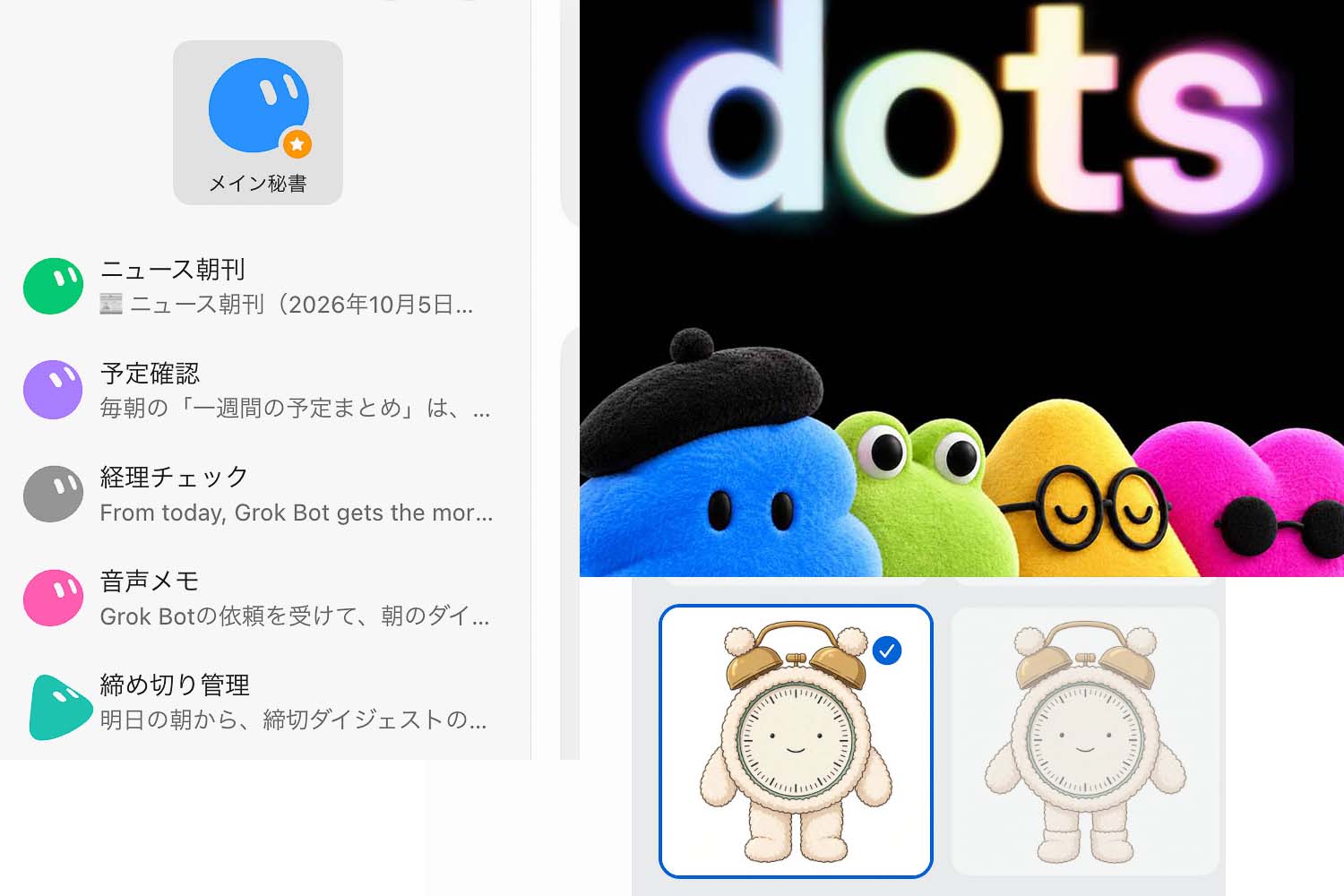
OpenAI announced always-on agent Dots on September 30; SpaceXAI's Grok Bot and Meta Muse are pushing the same…
schema-guard, a tool by developer idk-arsh, checks AI-written SQL against a saved snapshot of real table and c…
A sole proprietor running AI-adoption and process-improvement work built a 'company' repository on Claude Code…


