
What happened
Irene Solaiman, Hugging Face's chief policy officer, told TechCrunch Disrupt that evaluations are "an evolving science" the industry doesn't know how to meaningfully compare, and that they "start to get ineffective relatively quickly."
Why it matters
If results can't be reproduced or compared, the benchmarks labs use to claim superiority offer limited assurance to buyers and regulators, and the push for embedded third-party evaluators may outpace the standards needed to judge them.
Summaries like this, in your inbox every morning.
The debate over benchmarking has grown as AI labs stake their reputations on evaluation results, but the methods behind those evaluations remain complicated and still maturing, per Solaiman. Reproducibility has long been one of the stickier aspects of benchmarking, and she noted the added question of how one test compares to other evaluations.
Embedded evaluators have been popularized over the last several months as labs grapple with a rash of safety incidents, and Hugging Face was famously the target of one of those incidents. Labs have pushed for the third-party solution instead of active government regulation, yet doubts remain over how neutral or effective those evaluators will actually be; Anthropic's decision to hire Accenture as its first evaluator drew backlash from critics who mocked the consulting firm's qualifications.
Evaluations are also shifting from the model alone to the entire system around it, including the harness and agent. Solaiman said agentic evals are really hard and really expensive, and that there are fewer evaluations for harnesses than for models even as better ones for the holistic agent are developed. She described the current evaluation space as a bit of a free-for-all, suggesting a more uniform industry-wide approach may be necessary if benchmarking is to remain a useful tool for leaders.
Pick your industry and the AI tools you use, and get news related to your work every day.
Free · 30 seconds with Google · unsubscribe anytimeWhat is AIToday? →
Ask AI anything about this article. The AI reads this article, earlier AIToday articles, and Wikipedia, and cites its sources. Q&As are published on this page for other readers too.
MiniMax Group Inc. released M3.1 Flash, an update to its June M3 model

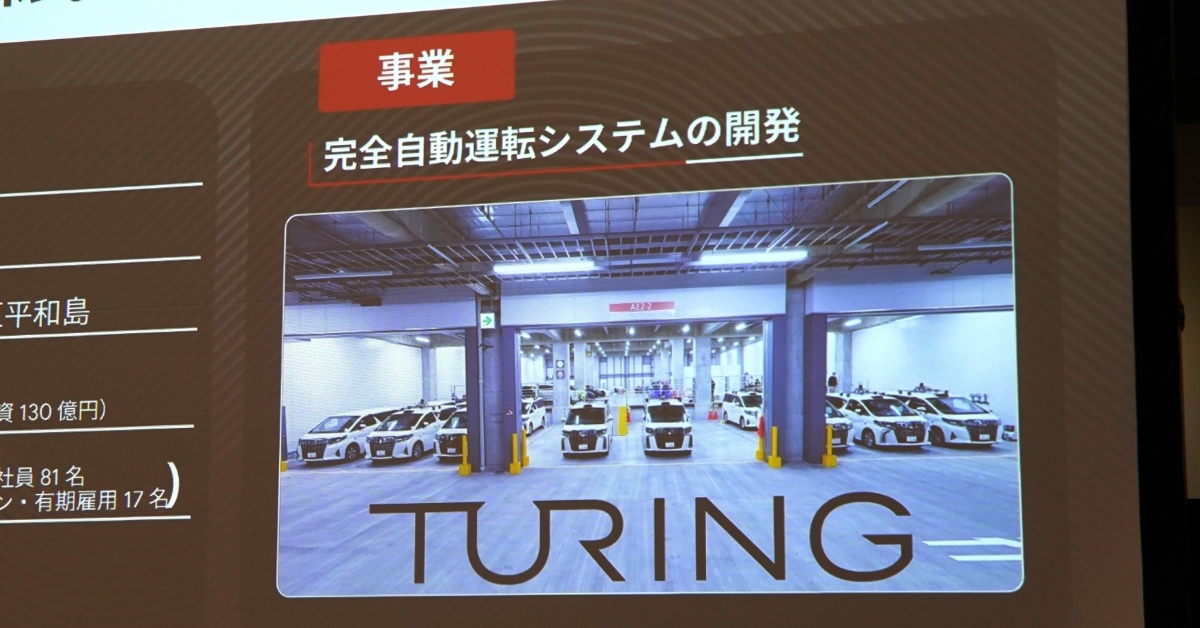
Turing CTO Yu Yamaguchi said adding data and GPUs alone did not speed development, so the Tokyo startup rebuil…
HPE announced its first HPE ProLiant Gen13 Servers powered by 6th Gen AMD EPYC processors, adding higher core…

Magistrate Judge Alex G

R2-san's Mitate (a tool that lets non-technical staff build business apps by chatting) stops indirect prompt i…

The essay says the Editor in Chief of Science wrote "AI in scientific publishing: Slower, worse, and more expe…