What happened
HPE announced its first HPE ProLiant Gen13 Servers powered by 6th Gen AMD EPYC processors, adding higher core density, expanded memory and I/O, and new security features such as automatic self encrypting drives, multi person authorization, and extended post quantum cryptography readiness.
Why it matters
The ProLiant Gen13 lineup targets AI inference, agentic AI workflows, data intensive simulations, and financial modeling, which speaks directly to HPE's push into higher value compute, security centric infrastructure, and rack level efficiency for customers modernizing data centers and hybrid cloud environments.
WHO IT HITSEnterprise IT teams modernizing data centers and hybrid cloud environments are the primary audience for these servers. The Mizuho Cray XD2000 deployment with direct liquid cooling serves as a reference project testing HPE's ability to scale advanced cooling and wrap it with monitoring and services.
Summaries like this, in your inbox every morning.
Hewlett Packard Enterprise's new ProLiant Gen13 servers arrive alongside another high density, liquid cooled offering: the Cray XD2000. The Mizuho Securities deployment of the Cray XD2000 with direct liquid cooling is the clearest operational link to the Gen13 launch. Both products show HPE leaning into high density, liquid cooled compute for workloads that resemble AI training and inference, complex financial modeling, and large scale simulations.
For HPE, this reference project matters because it tests the company's ability to scale advanced cooling, maintain performance per kilowatt, and wrap the hardware with monitoring and services. Any delays in bringing the new Mizuho data center into production or in expanding beyond the initial eight nodes would feed directly into the existing risk around converting AI infrastructure demand into recognized revenue.
The investor narrative for HPE still hinges on execution. The company needs to turn strong AI and networking demand into delivered systems, higher margin services, and durable recurring revenue. The ProLiant Gen13 and Cray XD2000 launches point in that direction, but the near term swing factor remains execution on AI infrastructure orders and Juniper integration rather than any single product win. The biggest near term risk is a mismatch between robust orders and what actually ships into data center and hybrid cloud projects, especially now that guidance already incorporates healthy AI server and networking expectations. Valuation stretch and insider selling add sensitivity to any slip in AI deal timing, networking CAGRs, or margin delivery.
Pick your industry and the AI tools you use, and get news related to your work every day.
Free · 30 seconds with Google · unsubscribe anytimeWhat is AIToday? →
Ask AI anything about this article. The AI reads this article, earlier AIToday articles, and Wikipedia, and cites its sources. Q&As are published on this page for other readers too.
MiniMax Group Inc. released M3.1 Flash, an update to its June M3 model

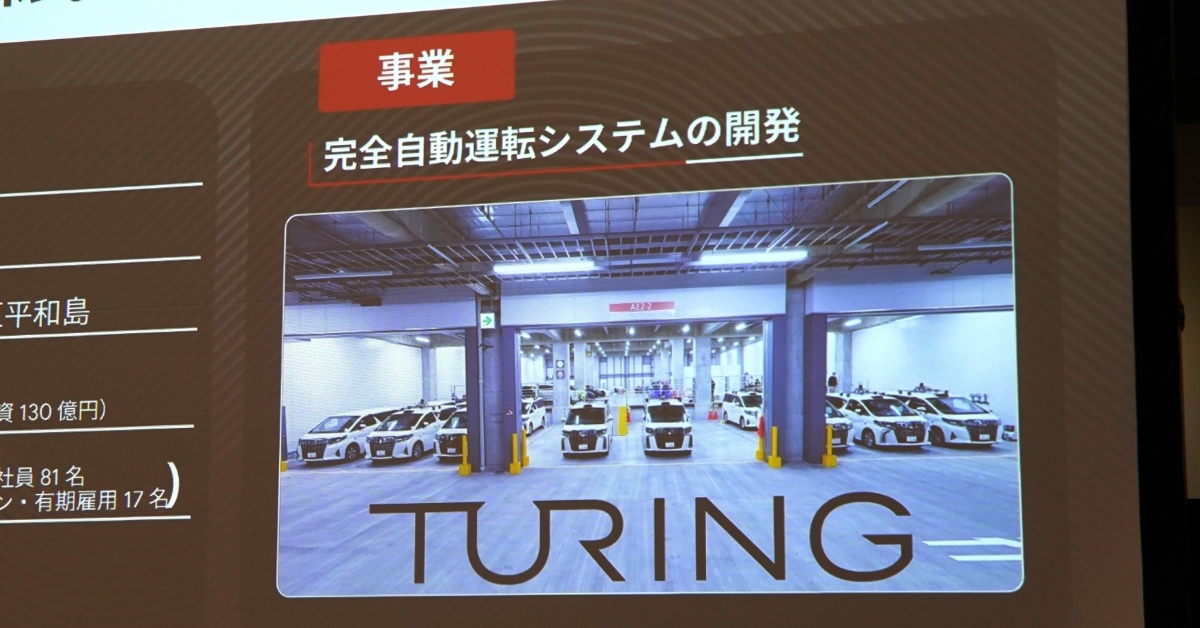
Turing CTO Yu Yamaguchi said adding data and GPUs alone did not speed development, so the Tokyo startup rebuil…
CoreWeave's bonds slipped into distressed territory — investors demanding 1,000 basis points more yield than g…

Irene Solaiman, Hugging Face's chief policy officer, told TechCrunch Disrupt that evaluations are "an evolving…

Microsoft introduced Guardian Agents, part of its Project Perception product, to monitor the AI agents a compa…

New Amazon SageMaker AI customers can now sign up with Amazon, Apple, GitHub, Google, or an email address and…