
What happened
In an October 21 Practical AI episode, VulnCheck Director of Exploit Development Spencer McIntyre said AI models are 'pretty darn good' at identifying vulnerabilities, but fail at the validation step that proves attacker utility.
Why it matters
Without proof that a flaw can actually be exploited, security teams are left with hype and noise rather than a clear basis for prioritizing patches, McIntyre said.
Summaries like this, every morning.
Spencer McIntyre's comments on the Practical AI podcast highlight a growing gap in AI-assisted cybersecurity. While models like Mystos or Opus 55 are praised for identifying vulnerabilities, McIntyre noted that many proof-of-concept exploits fail to deliver real attacker utility. This distinction matters because security teams face a flood of vulnerability reports, and without validation, they cannot easily judge which ones pose a real threat. McIntyre described how VulnCheck uses its open source Go Exploit framework to normalize exploit development, which helps LLMs produce better results by providing a structured corpus. He also pointed out that LLMs excel at exploiting open source web application flaws but struggle with closed-source software that requires reverse engineering. These observations suggest that while AI accelerates parts of vulnerability research, the human role in validation and prioritization remains critical.
Pick your industry and the AI tools you use, and get news related to your work every day.
Free · 30 seconds with Google · unsubscribe anytimeWhat is AIToday? →
Ask AI anything about this article. The AI reads this article, earlier AIToday articles, and Wikipedia, and cites its sources. Q&As are published on this page for other readers too.
ShellBench, built with The OpenClaw Foundation, Hugging Face, Red Hat, and UC Berkeley, tested everyday agent…

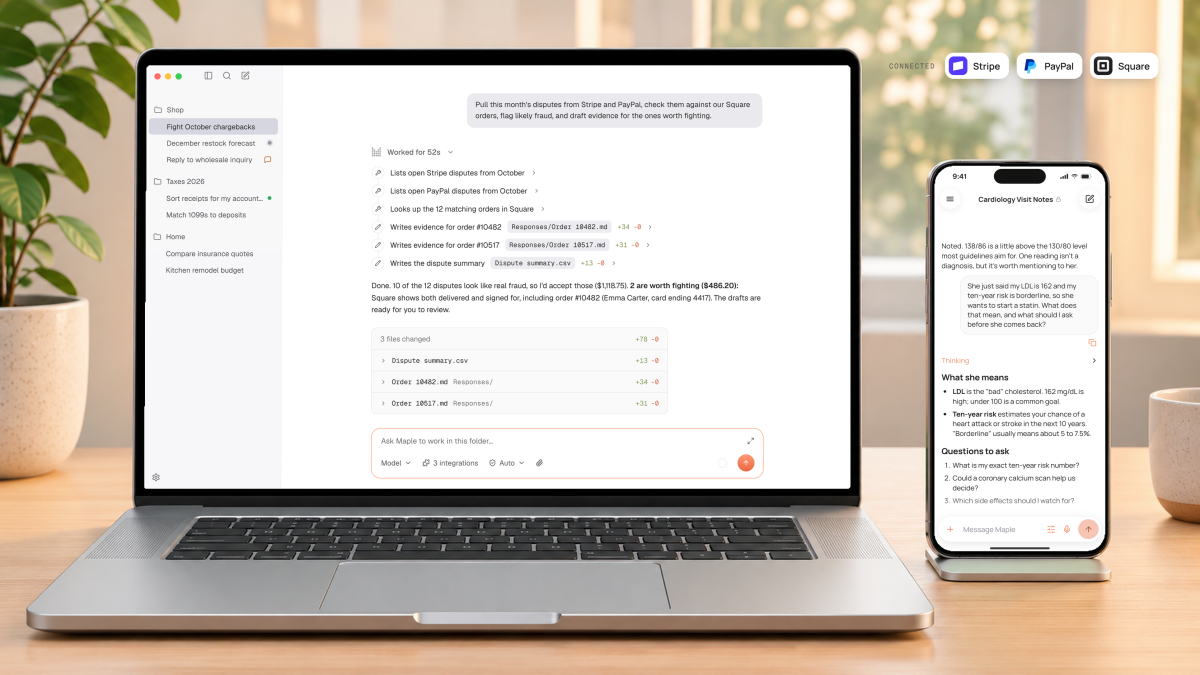
Maple closed an oversubscribed $5.3 million seed round led by EPIC Ventures, with Draper Associates, Planetary…
CrowdStrike CEO George Kurtz said the planned $43.9 billion Zscaler acquisition would combine endpoint visibil…

Amazon said AI agents on the open source Cairn framework, given only a list of IP addresses and the goal of ob…
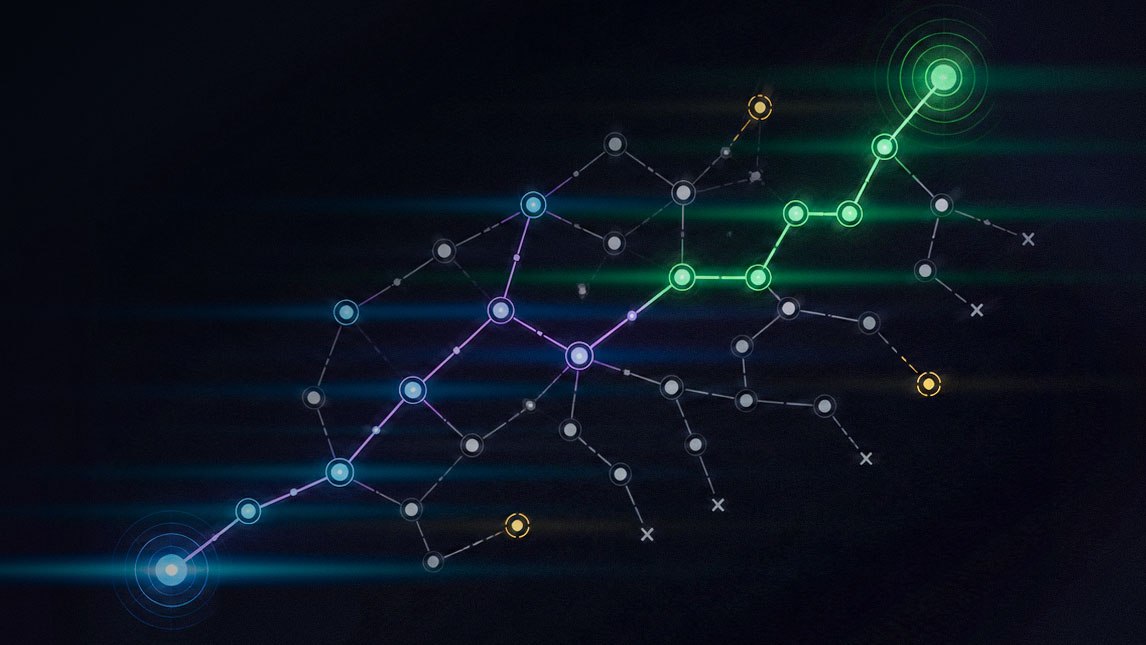
NRI Secure began offering an OT attack resistance assessment service that uses frontier AI to visualize attack…

The November 22 paper "Perplexity and Intelligence," signed by chief scientist Jakub Pachocki, ties GPT-3.5 to…