What happened
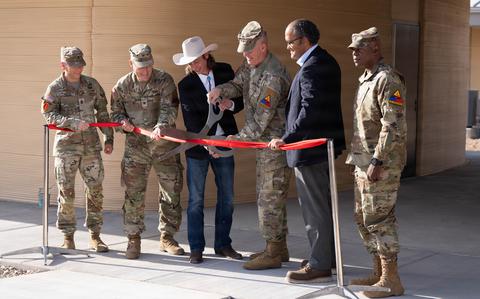
Fort Bliss officially opened the first two of ten 3D-printed barracks buildings on July 28, 2026, built by Austin-based ICON using large-scale printing robots and a special concrete blend. The printing phase for all 10 buildings took 58 days, with the remaining eight expected online in September.
Why it matters
The project cost about $62.8 million and achieved a 9.3% cost savings compared to traditional military construction benchmarks set by the Army Corps of Engineers, while completing at four times the speed of traditional construction methods. The new facilities can house up to 560 soldiers assigned to the base on temporary duty.
What to watch
Troops deployed to Joint Task Force-Southern Border operations will move into the new buildings. ICON has also built similar barracks for a Texas National Guard training site in 2021 and is constructing more at Fort Polk in Louisiana.
Summaries like this, in your inbox every morning.
Fort Bliss's adoption of 3D-printing construction marks a significant shift in military infrastructure development, driven by both efficiency and strategic messaging around soldier welfare. The project achieved its speed advantage—completing in nine months what traditionally takes multiple years—through the 58-day printing phase using ICON's specialized robots and concrete blend. The 9.3% cost savings, relative to the Army Corps of Engineers' standard benchmarks, demonstrates that the technology can deliver financial benefits while accelerating construction timelines by a factor of four.
Maj. Gen. Curtis Taylor's remarks underscore that the barracks serve a dual purpose: demonstrating combat readiness improvements and signaling organizational priority toward troop care. The base emphasized that troops assigned to Joint Task Force-Southern Border operations will occupy the new facilities, linking infrastructure modernization to an active operational need. ICON's track record—including the 2021 Texas National Guard project and concurrent work at Fort Polk—suggests that 3D-printed military housing may become a repeatable model for the Army, though scaling across the broader service would depend on validation of durability, maintenance requirements, and cost performance at additional installations.
Pick your industry and the AI tools you use, and get news related to your work every day.
Free · 30 seconds with Google · unsubscribe anytimeWhat is AIToday? →
Ask AI anything about this article. The AI reads this article, earlier AIToday articles, and Wikipedia, and cites its sources. Q&As are published on this page for other readers too.
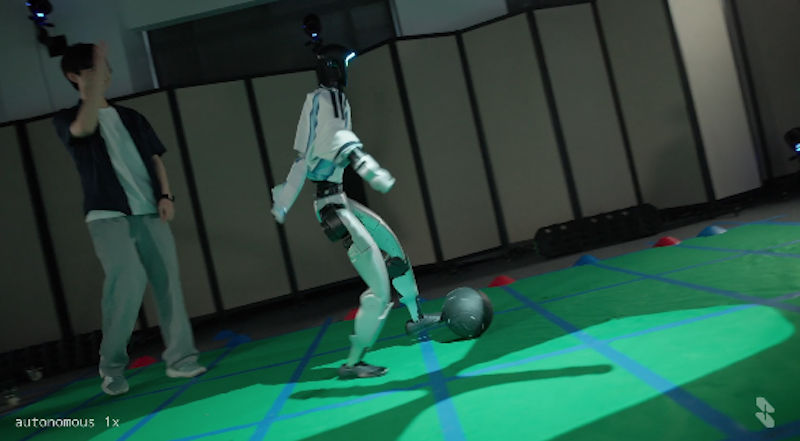
Skild AI used Nvidia Isaac Sim to give its S1 model one objective — score a goal — and let it compete against…
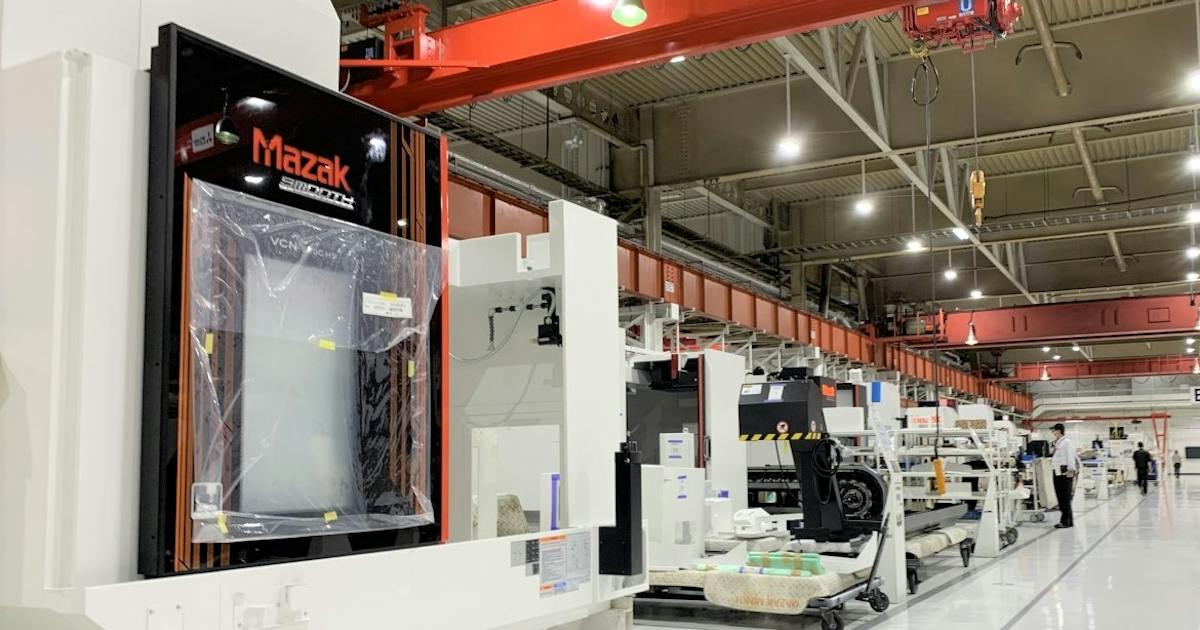
Yamazaki Mazak and ABEJA said on the 16th they will start joint development of physical AI, using ABEJA's ABEJ…
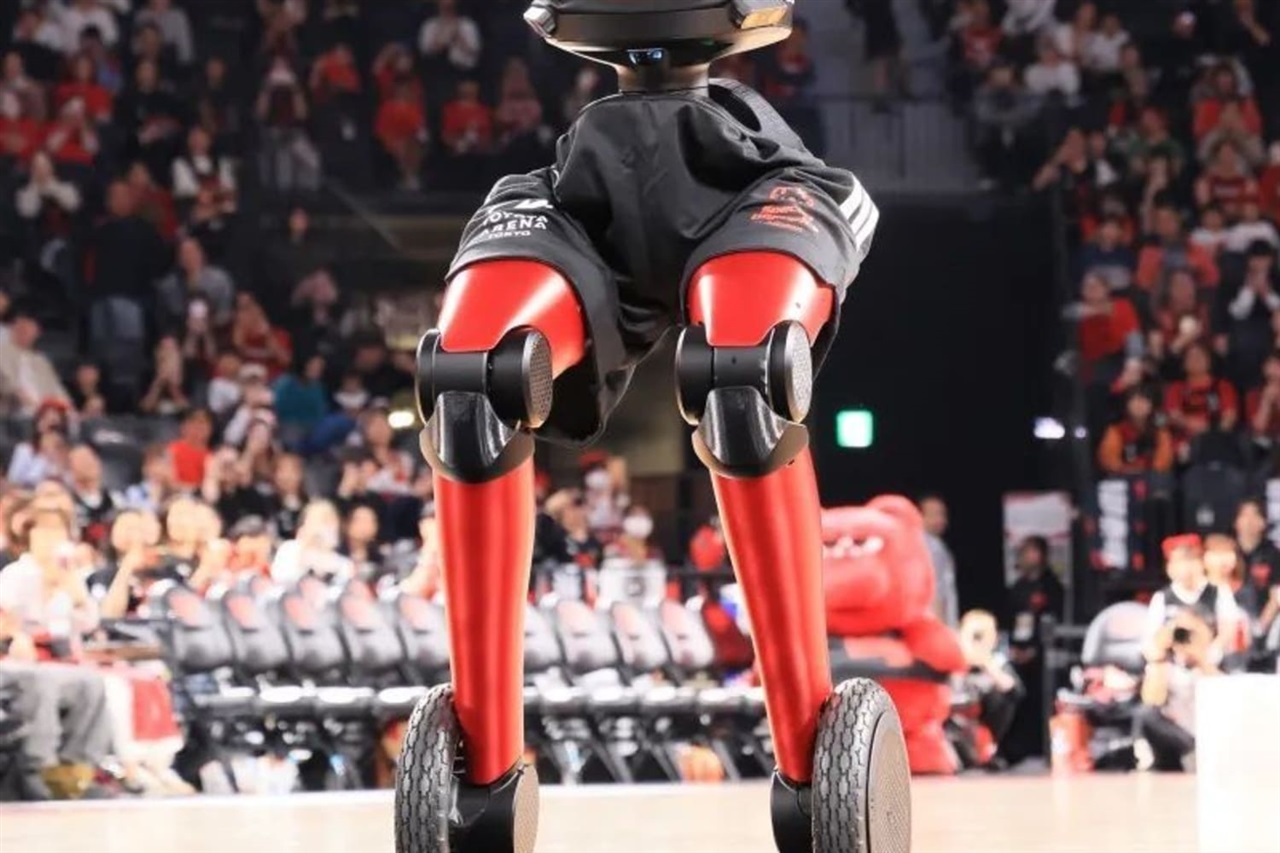
Toyota Motor's Japan Mobility Show Bizweek 2026 booth centers on its AI basketball robot CUE7, has no other ex…
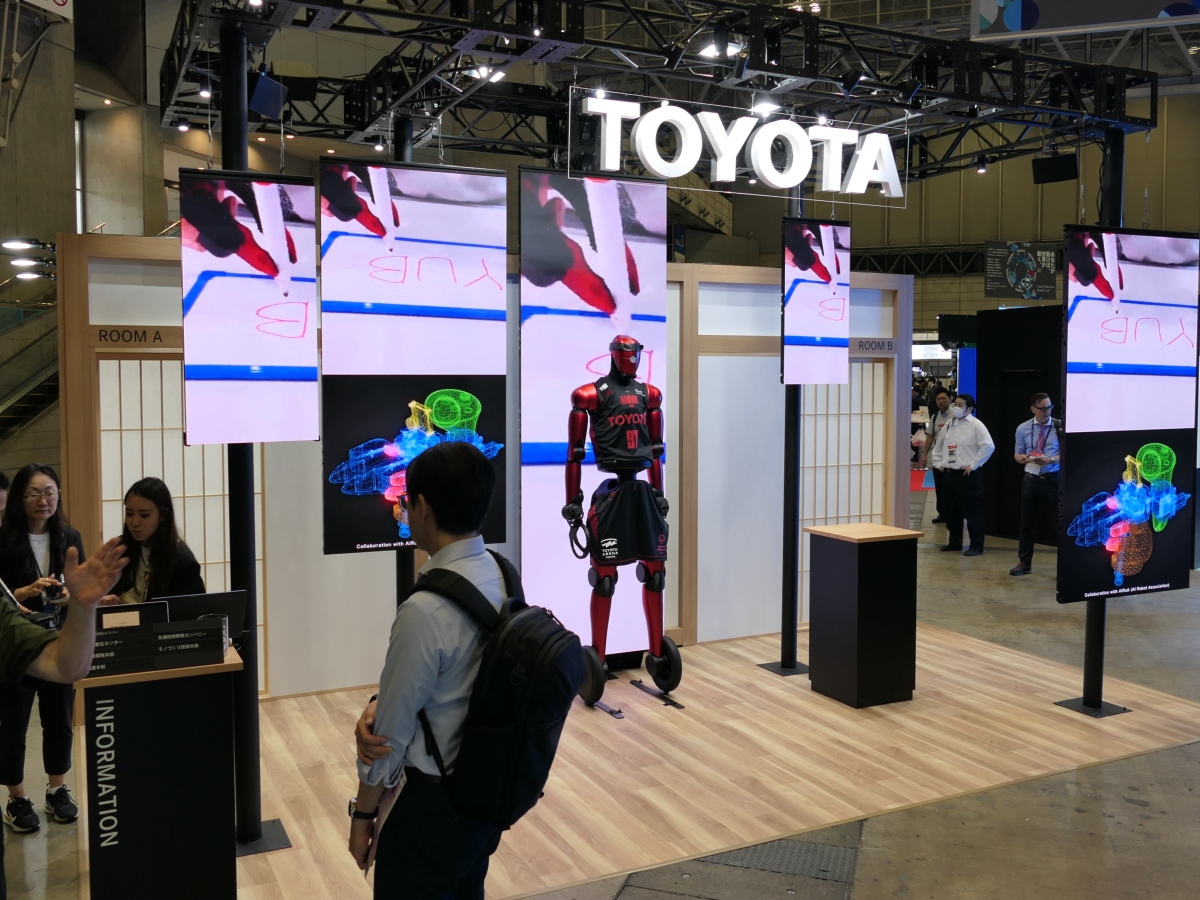
Japan Mobility Show Bizweek 2026 showcased Physical AI applications, including Toyota's basketball-playing rob…
Google pitched Gemini 4 Argon as one model for robot control, simulation and training-data review, saying it s…
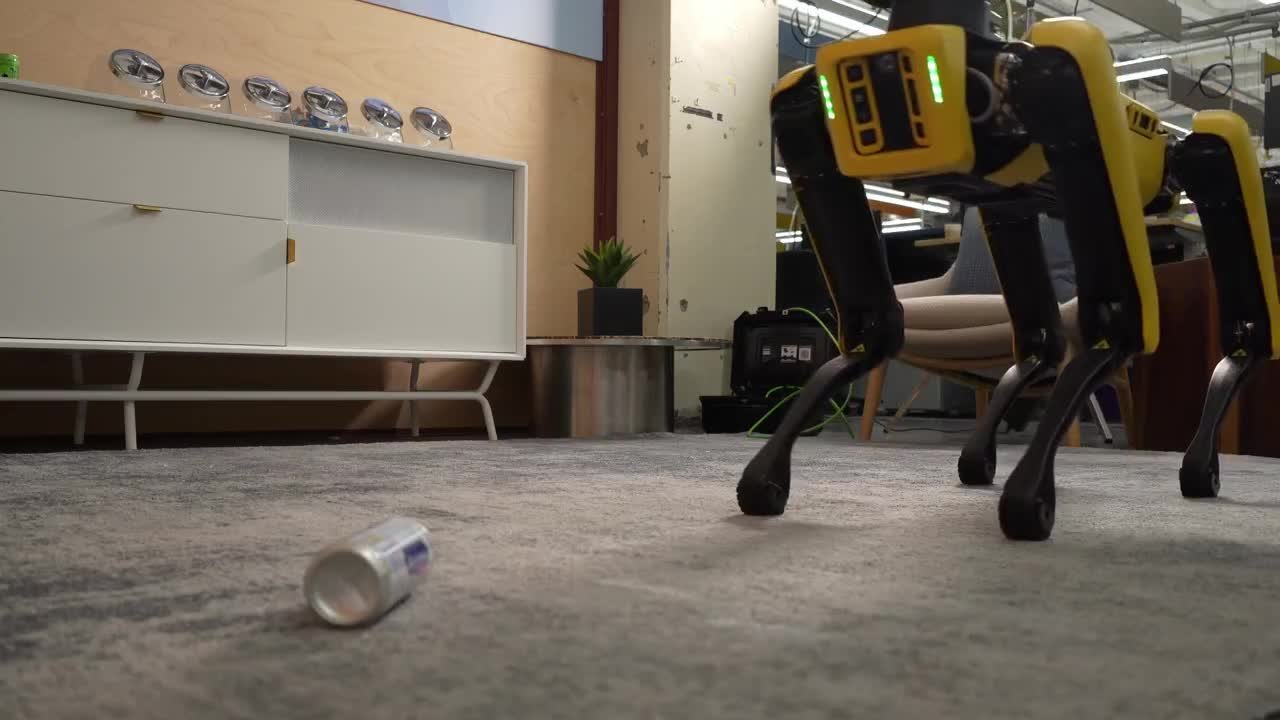
Researcher Sammy Azdoufal discovered Energize Lab's Eiliko robot stores 13 million conversations from 68,000 t…