
What happened
Mio (OpenAI's GPT) and Sana (Anthropic's Claude) each returned a move, a spoken line and a hidden strategy memo per turn; Sana won game one 34-30 and game two 54-10.
Why it matters
Calling a fresh AI each turn produced almost pure solo monologue, while one ongoing conversation made the characters respond to each other's lines — a quirk of setup, not a strength comparison.
Summaries like this, every morning.
The setup is deliberately simple: each turn the AI receives the list of legal squares and returns a JSON answer with a move, a spoken line and a memo. Board rules were judged by the program, and the games were replayed from the start afterward to verify them. The hidden memo was written in a different voice from the spoken line — short, blunt self-talk without the polite endings used toward the opponent — so the video could show a gap between what a character says aloud and what it is thinking.
The most concrete lesson concerns memory. In game two, which continued the same conversation, Mio's opening memo warned against handing over corners the way the previous game had, and Sana's final memo said it had used game one's corner mistake to take all four corners. Because that memory differs by AI, the author says the format is unsuited to a controlled strength comparison but works as characterisation.
The read on the board did not always hold. Late in game one, Sana's memo calculated 34-30 either way and the result matched. But on move 48 Mio expected Sana to take H1, and Sana's memo on move 49 feared the same thing — yet Mio took H1 itself on move 50, so Mio's read missed and Sana's hit. For the video, moves were graded into ordinary, routine and climax, with extra time spent only on the climaxes.
Pick your industry and the AI tools you use, and get news related to your work every day.
Free · 30 seconds with Google · unsubscribe anytimeWhat is AIToday? →
Ask AI anything about this article. The AI reads this article, earlier AIToday articles, and Wikipedia, and cites its sources. Q&As are published on this page for other readers too.
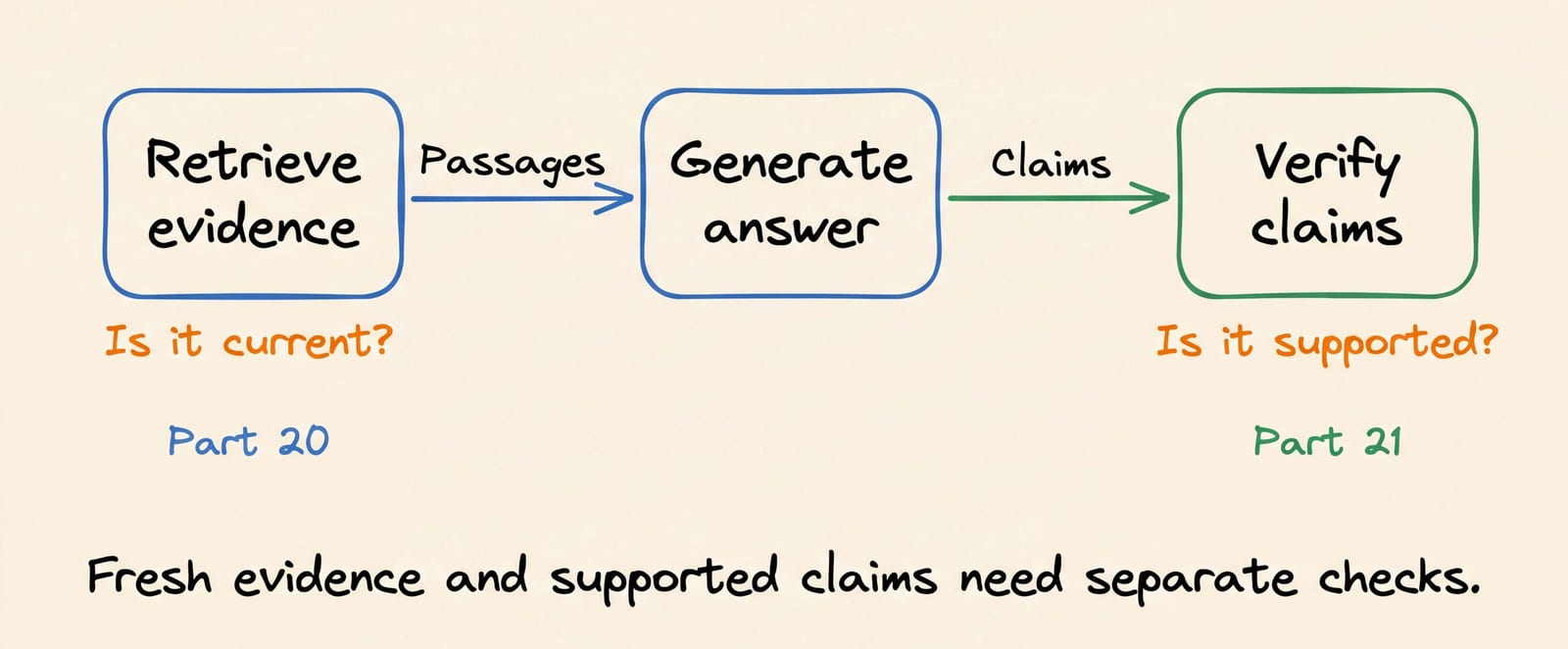
Parts 20 and 21 of the hands-on RAG Systems course are now available
Anthropic introduced Claude for Manufacturing on November 12, a plugin for Claude Team or Enterprise plans tha…

The ninth AIF-C01 prep article covers task 3.1 on design considerations for foundation model applications, lis…
In a blog post, OpenAI chief scientist Jakub Pachocki argued that perplexity — which measures how well a model…
A Chinese-nexus actor's Cairn AI agents autonomously discovered a zero-day vulnerability, according to Amazon…

Oracle stated that its infrastructure deal with OpenAI is fully funded following a final capital raise, Reuter…