What happened
Shionogi completed a company-wide Microsoft Copilot rollout in April 2026, following a 2025年秋 top order for 100% generative AI usage and approval a month after its 2026 年 2 月 proposal.
Why it matters
Shionogi picked Copilot over other options mainly for security and governance, since data stays inside its own tenant — a sign that compliance concerns, not feature lists, can decide enterprise AI deals.
What to watch
Regulated departments that used to resist new tools are now drafting their own AI usage rule changes, so the test is whether that voluntary rulemaking spreads beyond the rollout itself.
WHO IT HITSPharmaceutical compliance, quality and regulatory affairs teams — the roles inside Shionogi that must rewrite internal work rules before AI can be used in regulated processes — are where the change is now showing up.
Summaries like this, in your inbox every morning.
Shionogi's push sits inside its mid-term management plan, "STS2030 Revision", under which it has been pursuing company-wide productivity gains and shifting resources toward higher-value work. It stood up a dedicated Generative AI グループ as a technology-promotion unit, and then in 2025年秋 a clear top-down order set the target of 100% generative AI usage by all employees. Those two moves are what turned the effort from scattered efficiency projects into a company-wide push on how work gets done.
The decision itself went through a multi-angle comparison, and the company settled on Microsoft Copilot for its smooth integration with the existing Microsoft Office environment. Security and governance were the big clinchers, because data stays inside the company's own tenant. Executive-level understanding — including expectations of a mindset shift beyond cost-effectiveness — appears to have helped the proposal move unusually smoothly, going from a 2026 年 2 月 submission to approval the next month, with the company-wide rollout completed in April 2026.
The stakes now look less about tools than about rules. Since the rollout, usage logs have trended steadily upward, helped by a company-paid model and hands-on workshops, and the change is showing up in how people think rather than only in task speed. The noteworthy part is that even departments with strict regulation, which tend to be cautious about new systems, have begun voluntarily looking at revising their own operating rules. Whether that voluntary rule-rewriting becomes the norm, or stays confined to a few teams, is likely to determine how far AI actually reaches into regulated work at Shionogi.
For example, today's edition would include:
AI-summarized, only the topics you pick — one digest a day via Email, Slack, or Discord.
Free · 30 seconds with Google · unsubscribe anytimeWhat is AIToday? →
Ask AI anything about this article. Q&As are published on this page for other readers too.
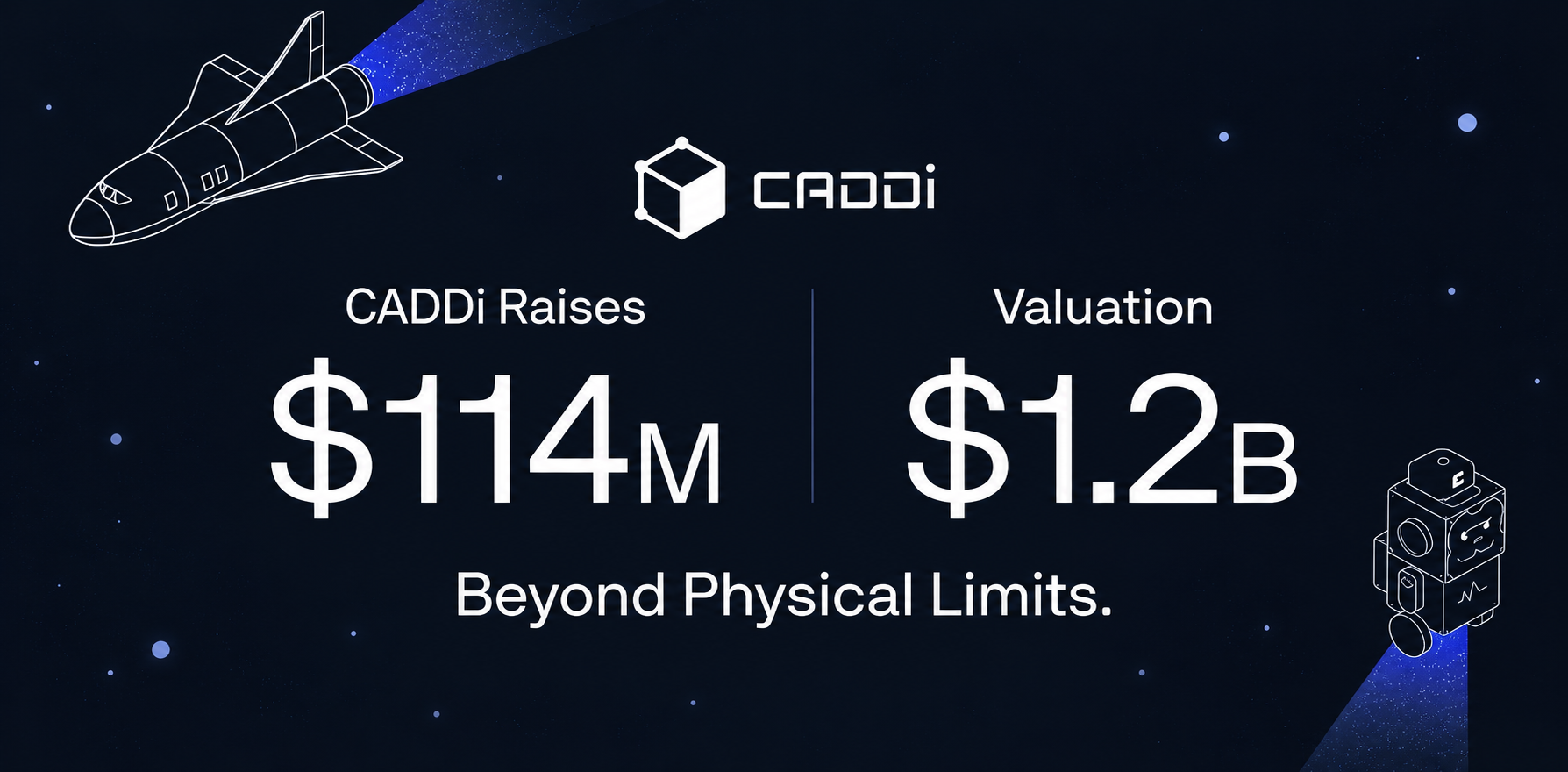
CADDi raised $114 million at a $1.2 billion valuation, versus the $470 million it reported at its March 2025 S…
Anthropic merged chatbot Claude with agentic tool Claude Cowork effective immediately, and launched Claude Doc…

Hang Ten Systems Inc., founded by ex-Infosys chief Vishal Sikka, announced a $53 million second seed round led…

Cohere and Aleph Alpha signed a merger agreement today, formalizing an April plan; the combined company will r…
Elon Musk has hinted at a Tesla-SpaceX merger, according to DIGITIMES, which notes the two companies are alrea…

Anthropic posted guidance saying Claude Code's output tokens cost about 5 times its input tokens, and that one…