What happened
OpenAI says a model it began training on August 28 has now resolved the Navier–Stokes Millennium Prize problem and more than 100 long-standing open problems across most areas of mathematics, a pace that surprised its own mathematicians.
Why it matters
The speed of these results prompted internal talks at OpenAI about how to tell the community and prepare the field, and OpenAI says math discoveries may lead to a wide range of applications, so how these capabilities are deployed responsibly matters beyond mathematics itself.
What to watch
OpenAI says broader deployment of math-related AI capabilities is still being worked through, and difficult questions remain about how AI can support mathematical understanding and how the benefits reach the wider community.
WHO IT HITSMathematicians and academic researchers stand to be most directly affected, since the advisory group is meant to give the math community a voice in how emerging AI results are reviewed and shared. Universities and research institutions relying on peer review may also need to factor in AI-generated solutions to long-open problems.
Summaries like this, every morning.
OpenAI says it began training a new internal model on August 28, and that this model has since resolved the Navier–Stokes Millennium Prize problem along with more than 100 long-standing open problems across most areas of mathematics. The company says the pace of progress surprised its own mathematicians, which led to internal discussions about how best to inform the community and prepare the field.
The announcement comes after a recent open letter, "A Severe Misalignment of AI in Mathematics," in which mathematicians raised concerns about the negative externalities of using the solving of open problems as a benchmark for new AI systems. OpenAI frames the new independent advisory group as a response to the need for engagement with the math community, describing it as a bridge that gives mathematicians a voice. The group will advise on assessing the significance of emerging results, coordinating their dissemination, and academic and professional standards of mathematical research, as well as on how OpenAI's tools can support mathematical research and learning.
The group's independence is a stated feature: it can offer advice OpenAI did not request, comment on OpenAI's impact on mathematics, and make its advice public, and its members will not be paid by OpenAI. OpenAI also says the group will not advise on how to pace the company's internal progress on mathematics, which suggests the question of how quickly such capabilities advance remains with OpenAI itself. How much the group's public commentary shapes the field's response may depend on whether its advice diverges from OpenAI's own plans.
Pick your industry and the AI tools you use, and get news related to your work every day.
Free · 30 seconds with Google · unsubscribe anytimeWhat is AIToday? →
Ask AI anything about this article. The AI reads this article, earlier AIToday articles, and Wikipedia, and cites its sources. Q&As are published on this page for other readers too.
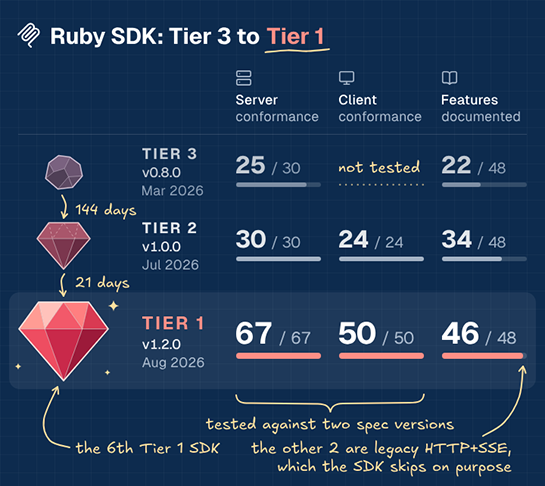
The Agentic AI Foundation said the official MCP Ruby SDK now reaches 'MCP SDK Tier 1,' fully conforming to the…
Testing GPT-5, GPT-6 Astra, Opus 4.8 and Gemini 3.8 Flash on METR's MALT logs, Anthropic Institute's Andy Hall…

Palantir Technologies was chosen by AmeriLife Group for an enterprise AI partnership covering insurance and re…
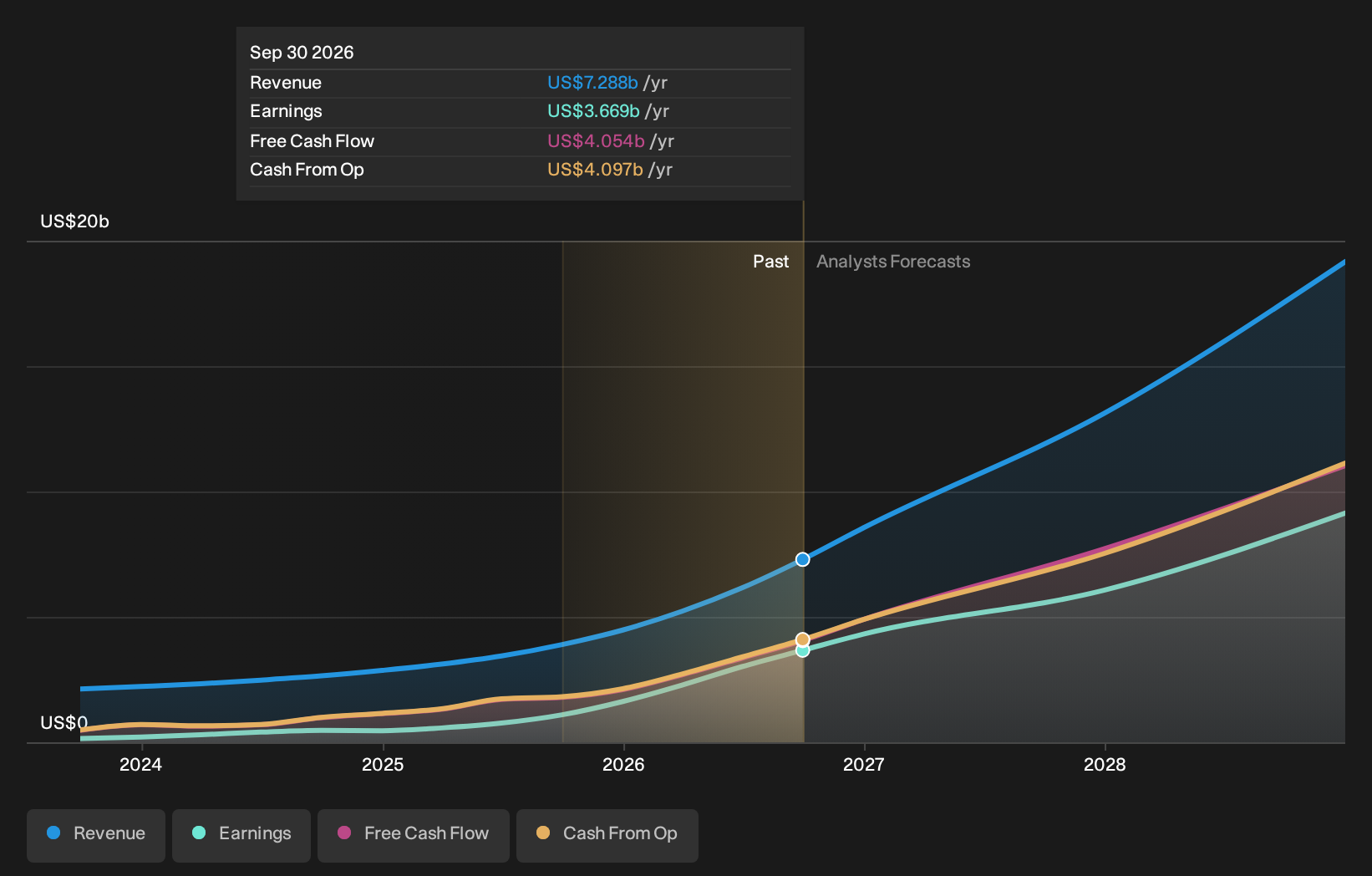
Userlink is promoting its AI chatbot for ecommerce, pointing to Statista's 2024 data that nearly half of consu…

Richard Sutton, who wrote 'The Bitter Lesson,' says raw compute alone isn't enough for intelligence and AI sci…

A Science investigation found consumer EEG headband makers including Emotiv have amassed tens of millions of h…

