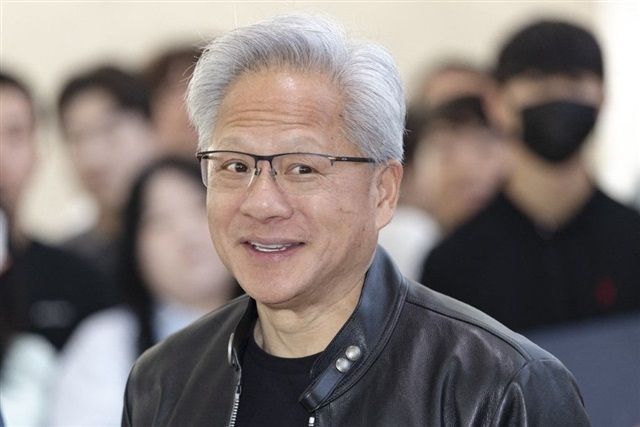
Nvidia CEO Jensen Huang has publicly advocated for open-weight and open-source AI models, even as US officials scrutinize the technology following China's release of the Kimi K3 model. His statement reflects the chipmaker's position that such models should remain available and that restrictions may not serve national interests.
Summaries like this, in your inbox every morning.
Sign up free →What happened
Nvidia CEO Jensen Huang expressed support for open-weight and open-source AI models, following attention in Washington to the powerful Kimi K3 model released by Chinese startup Moonshot AI.
Why it matters
Open-weight models—where the underlying code is publicly available—have become a point of policy scrutiny in the US as policymakers assess the national security implications of advanced AI technology originating from or accessible to foreign competitors. Huang's position signals that major chipmakers see restrictions on these models as potentially counterproductive.
What to watch
The debate over whether the US should restrict access to or ban Chinese open-weight AI models may shape upcoming AI regulation and export controls affecting both US technology companies and the broader AI development ecosystem.
Nvidia CEO Jensen Huang has once again voiced strong support for open-weight and open-source AI models, positioning himself at the center of a growing policy debate in Washington. His remarks come in the context of heightened official scrutiny following the release of Kimi K3, a powerful AI model developed by Chinese startup Moonshot AI. Open-weight models, where the underlying code and parameters are publicly available, represent a different approach from closed, proprietary AI systems. While they enable broader participation in AI research and development, they have also become a focus of national security discussions, with some US policymakers concerned about the implications of advanced AI technology being freely available to competitors. Huang's support for this model type reflects Nvidia's broader philosophy on AI development and its commercial interest in maintaining an ecosystem where chipmakers like Nvidia provide the hardware infrastructure for diverse AI projects, regardless of whether those projects use open or proprietary models.
Jensen Huang's latest comments mark a continuation of Nvidia's long-standing advocacy for open AI development, even as the geopolitical landscape around AI technology has shifted. The emergence of China's Kimi K3 model has prompted US officials to reconsider the risks and benefits of open-weight AI—technology that can be freely distributed and modified by anyone, including potential adversaries. Huang's intervention suggests that Nvidia and other major chipmakers view blanket restrictions on open-weight models as potentially harmful to innovation and competitiveness. The tension between national security concerns and the technical and business arguments for openness is likely to shape how the US approaches AI regulation in the months ahead.
AI-summarized, only the topics you pick — one digest a day via Email, Slack, or Discord.
Free · takes 30 seconds · unsubscribe anytime
No comments yet. Be the first to share your thoughts!
Log in to join the discussion



Get curated AI news from 200+ sources delivered daily to your inbox. Free to use.
Get Started FreeFree · takes 30 seconds · unsubscribe anytime
