What happened
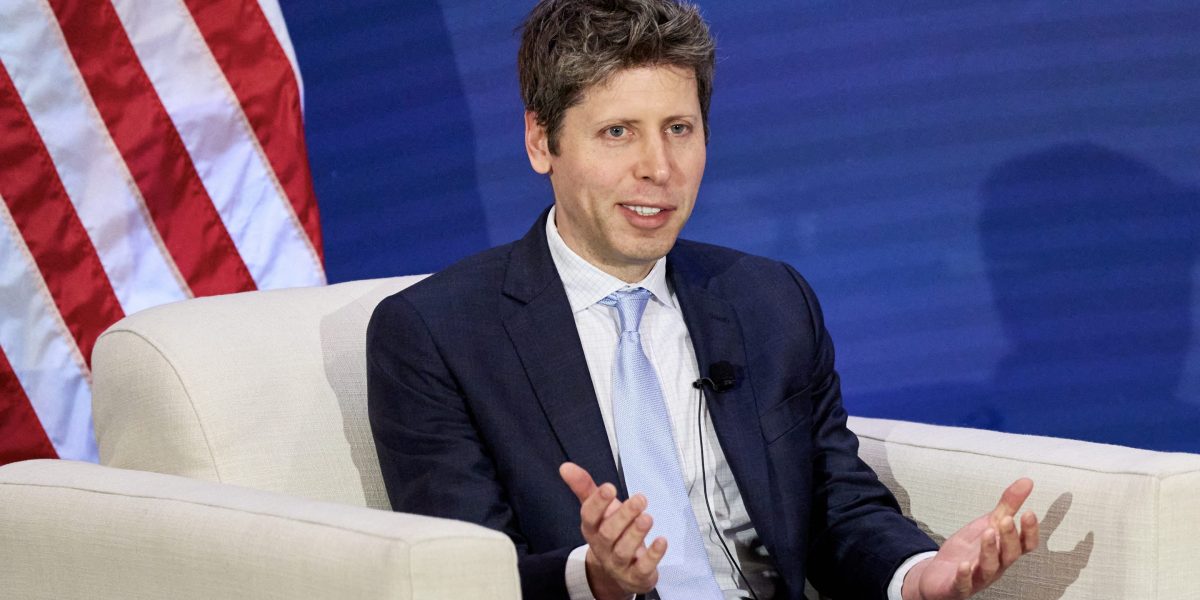
At the G20 event in Chapel Hill, tech leaders including OpenAI's Sam Altman, Nvidia's Jensen Huang, and Palantir's Alex Karp promoted AI's benefits and the need for more infrastructure. Outside, hundreds of protestors gathered Wednesday to voice concerns about AI data centers' pollution and false job promises.
Why it matters
Data centers have become a focal point of nationwide protests, with 142 demonstrations across 42 states in July alone. A recent Economist/YouGov poll found two-thirds of Americans oppose building a data center in their local area, and the issue is now a major midterm election topic.
What to watch
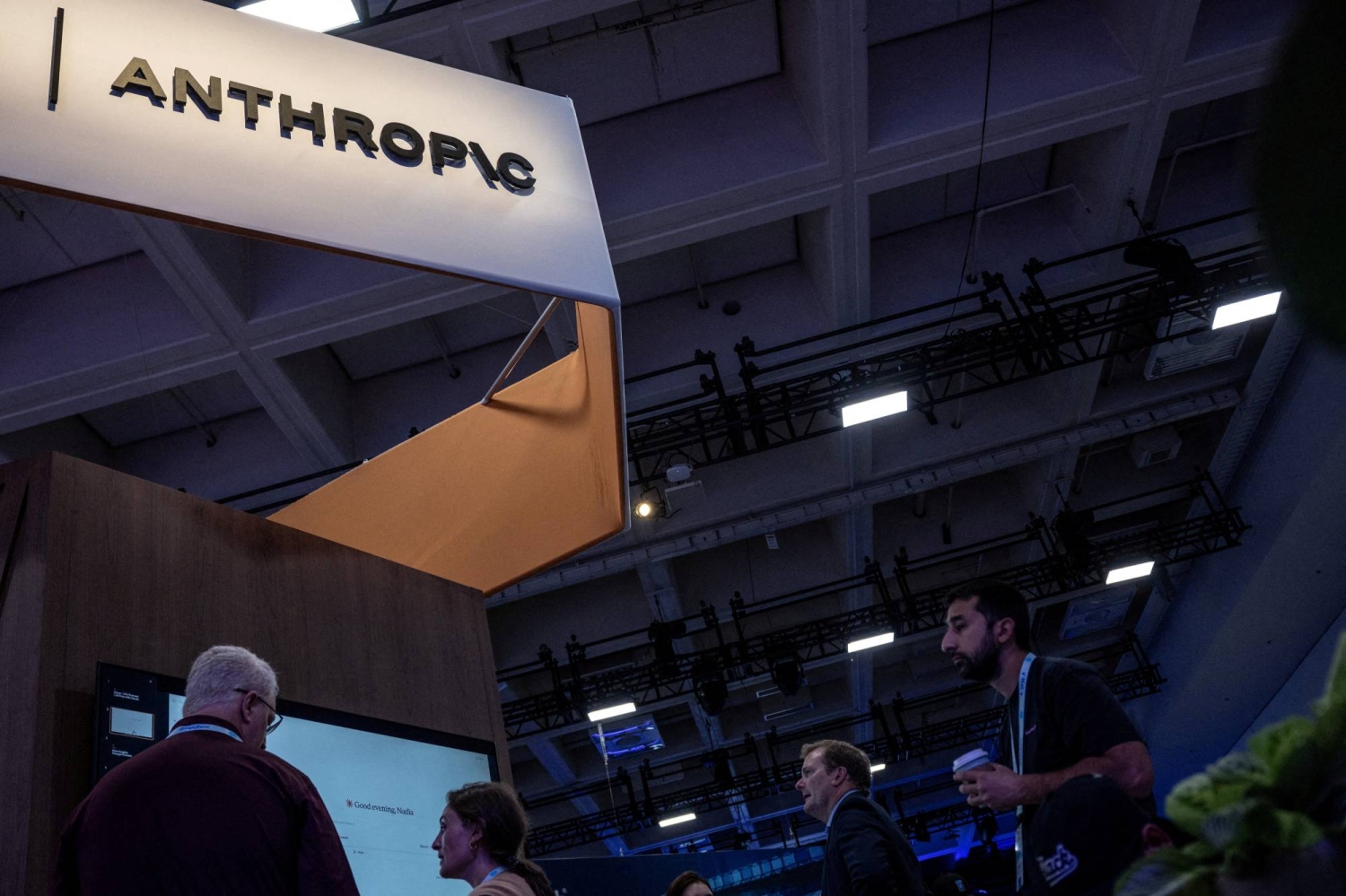
More than 3,000 data centers are planned or under construction, adding to the roughly 4,000 existing ones. Executives argue more infrastructure is needed to make AI widely accessible, but trust issues persist, as Anthropic CEO Dario Amodei acknowledged AI must produce a breakthrough like curing cancer to earn public trust.
Summaries like this, in your inbox every morning.
The contrast inside and outside the G20 highlights AI's growing reputational problem. While tech leaders like Altman tout AI as 'incredible magic of intelligence in a bottle,' they also admit infrastructure needs will keep expanding, potentially raising costs. Meanwhile, protestors and local residents point to environmental pollution and transient jobs, fueling skepticism about whether the benefits are shared fairly.
Data centers have become the most visible symbol of AI's physical footprint, drawing protests nationwide. The political landscape is shifting, with both Republicans and Democrats in tight races adopting stricter stances. However, executives counter that more infrastructure is essential to deliver AI's benefits and create construction jobs, and signs of mass AI job displacement have yet to materialize.
The trust gap remains a key challenge. Amodei once warned AI could replace 50% of white-collar jobs but now calls it a job multiplier. Altman has also softened his warnings. Yet, public opinion remains wary, with many Americans opposing local data centers. The industry's future may depend on earning public trust through tangible breakthroughs, as Amodei suggested, while balancing local concerns against national ambitions for AI leadership.
Pick your industry and the AI tools you use, and get news related to your work every day.
Free · 30 seconds with Google · unsubscribe anytimeWhat is AIToday? →
Ask AI anything about this article. The AI reads this article, earlier AIToday articles, and Wikipedia, and cites its sources. Q&As are published on this page for other readers too.
Vertiv and NVIDIA launched a DSX POD modular AI factory reference design that targets 14 day deployment cycles…
IBM beat Q3 estimates with revenue of $17.1 billion and adjusted earnings of $2.95 per share, but CEO Arvind K…
Ricoh Japan will host "RICOH Value Presentation 2026 in 広島" on 11月18日・19日 at its Hiroshima Hatchobori office…

OpenAI expanded ChatGPT ads to 26 new countries, reaching 89 markets worldwide, and says over 100,000 advertis…

Google and OpenAI said the GPT-6 Astra, GPT-6.1 Sol and GPT-6 Luna models will be offered via Model Garden, wi…

Canadian Imperial Bank of Commerce found that its most powerful models, including Anthropic's Opus, can cost $…