What happened
A developer entered the 5th Agentic AI Hackathon with Google Cloud with "Vulnerability Busters," which scans a demo Cloud Run app, has Gemini plan fixes, then re-scans to confirm what actually disappeared.
Why it matters
The agent can't change production on its own, so small teams without a dedicated security person may find a way to fix and verify vulnerabilities without handing an AI unchecked control.
Summaries like this, in your inbox every morning.
The project was built for the 5th Agentic AI Hackathon with Google Cloud, and the developer framed it as an answer to a specific problem: vulnerability work is important but easy to postpone because the loop of reading results, fixing, deploying, and verifying rarely gets finished.
The design pairs a game interface with real security operations, so the visible "deletion" of a vulnerability is produced only from the re-scan results, not from the AI's own claim of success. This reflects a broader pattern in the submission: the AI decides how to fix, but the human decides whether production changes happen, and the scanner decides whether the fix worked.
The developer also lists what is not finished: multi-user support, and cloud-side per-component updates, since the cloud deployer does not build, leaving base-image replacement as the main RUNTIME fix path. A plan exists to add a fixed-form tool for selecting package names and versions.
Pick your industry and the AI tools you use, and get news related to your work every day.
Free · 30 seconds with Google · unsubscribe anytimeWhat is AIToday? →
Ask AI anything about this article. The AI reads this article, earlier AIToday articles, and Wikipedia, and cites its sources. Q&As are published on this page for other readers too.
Dell's Helen O'Sullivan said Bay Area customers are exhausting token budgets allotted for months within a matt…

Meta released Muse Wonder and Muse Wonder Full, agent models for long, multistep tasks such as insurance claim…
At an October 7 briefing for Japanese media, OpenAI's Chris Lehane said pausing development and pacing it must…

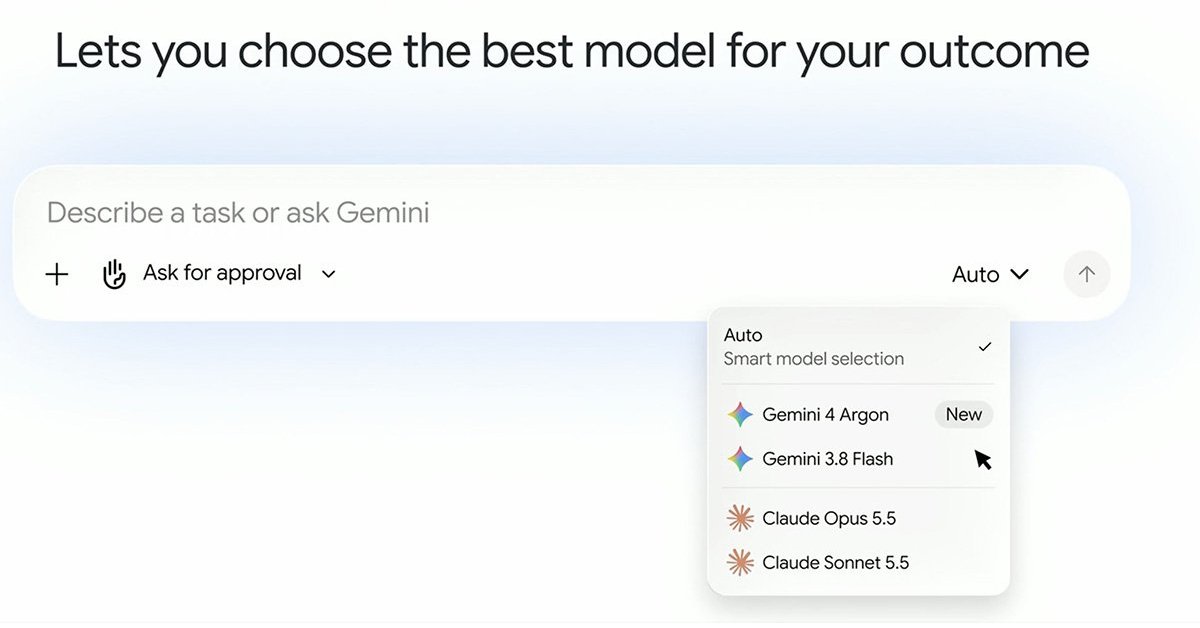
Google Cloud announced Gemini Agent on October 9, a multi-agent tool that runs in the cloud and isn't locked t…
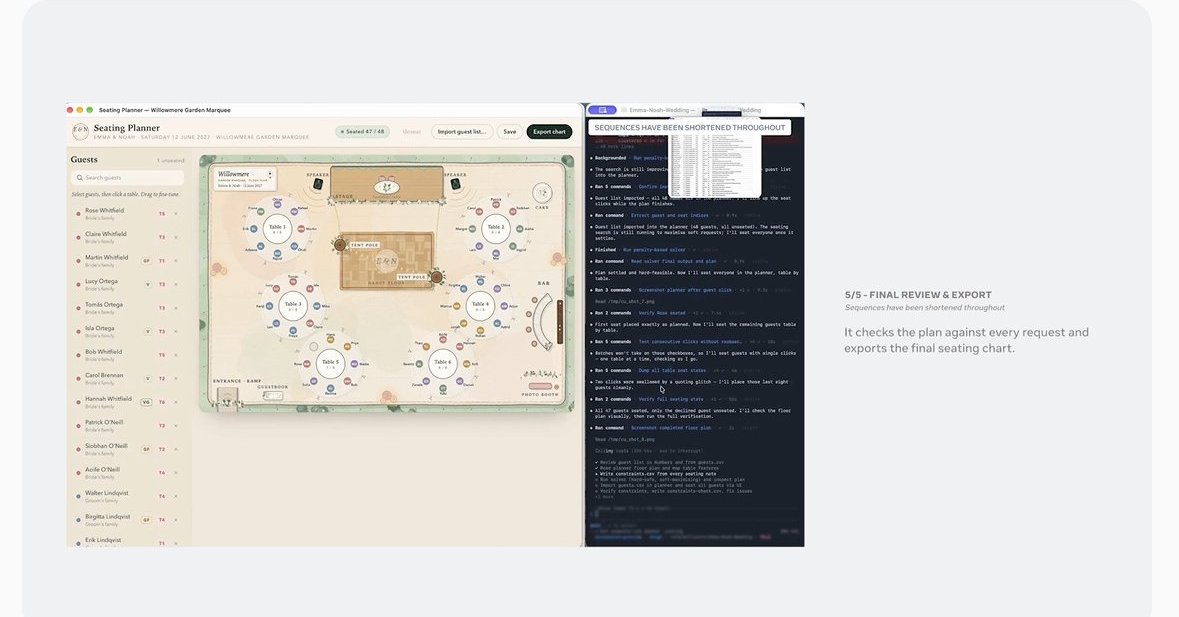
Meta unveiled Muse Wonder and the higher-tier Muse Wonder Full on October 12, calling them its largest and mos…
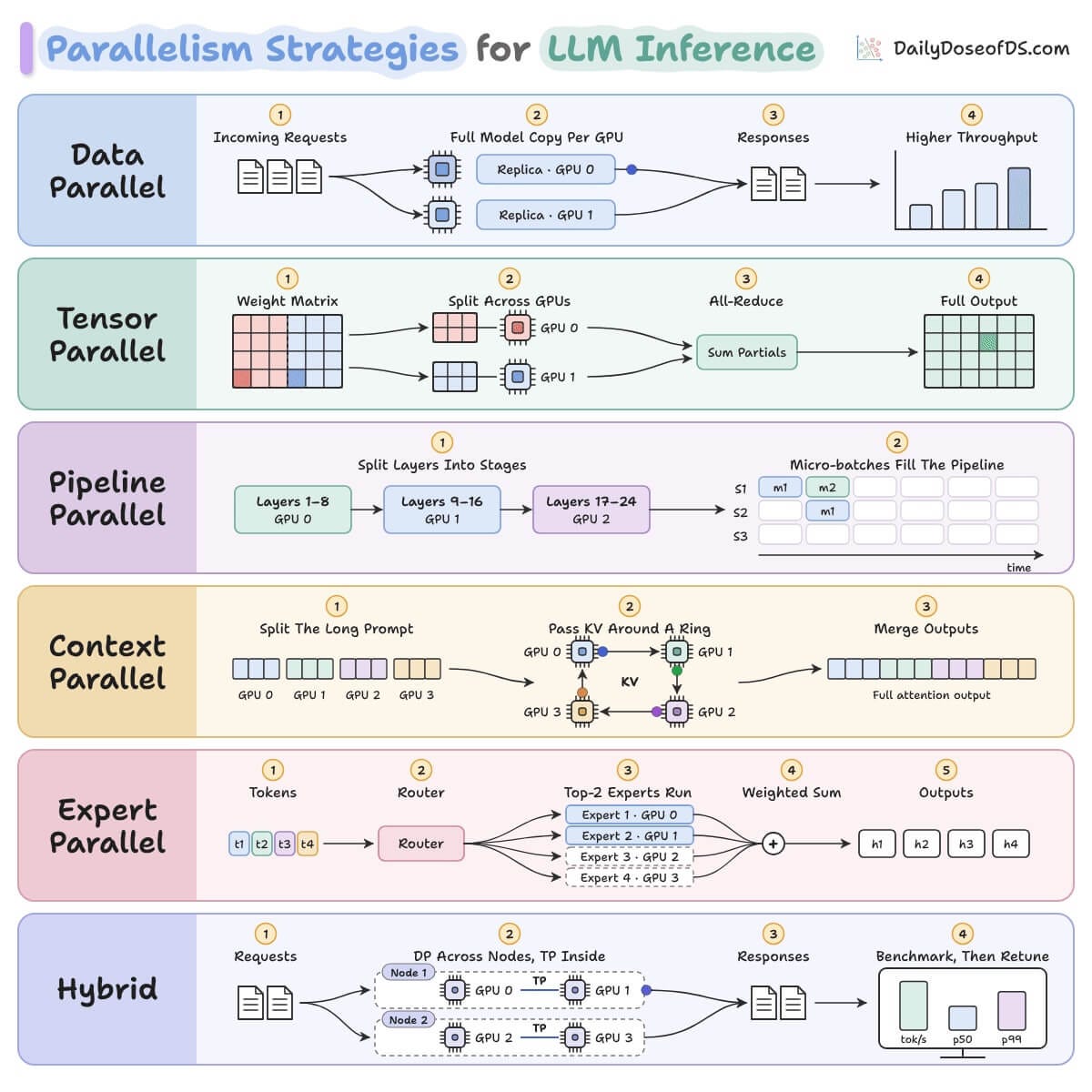
A newsletter laid out six common strategies for parallelizing LLM inference — data, tensor, pipeline, context…