
What happened
BPR Prot. had Claude Code and Codex build the same Supabase memo app 12 times; every run enabled RLS and used only the public key, but the 6 runs without a stated read scope all became shared-read setups, and 1 Codex run used using (true) with no TO clause, readable even without login.
Why it matters
The RLS switch alone did not separate the runs; leaving the read scope unstated let the AI choose shared visibility, turning every registered user into a potential reader of every memo.
Summaries like this, every morning.
Pick your industry and the AI tools you use, and get news related to your work every day.
Free · 30 seconds with Google · unsubscribe anytimeWhat is AIToday? →
Ask AI anything about this article. The AI reads this article, earlier AIToday articles, and Wikipedia, and cites its sources. Q&As are published on this page for other readers too.
At the Gartner IT Symposium/Xpo opening keynote, Gartner Japan said a Q2 2026 survey of over 1,000 unit leader…
In an isolated lab, an AI stack of Claude Opus, Sonnet and Haiku driving Kali Linux against Metasploitable2 fo…

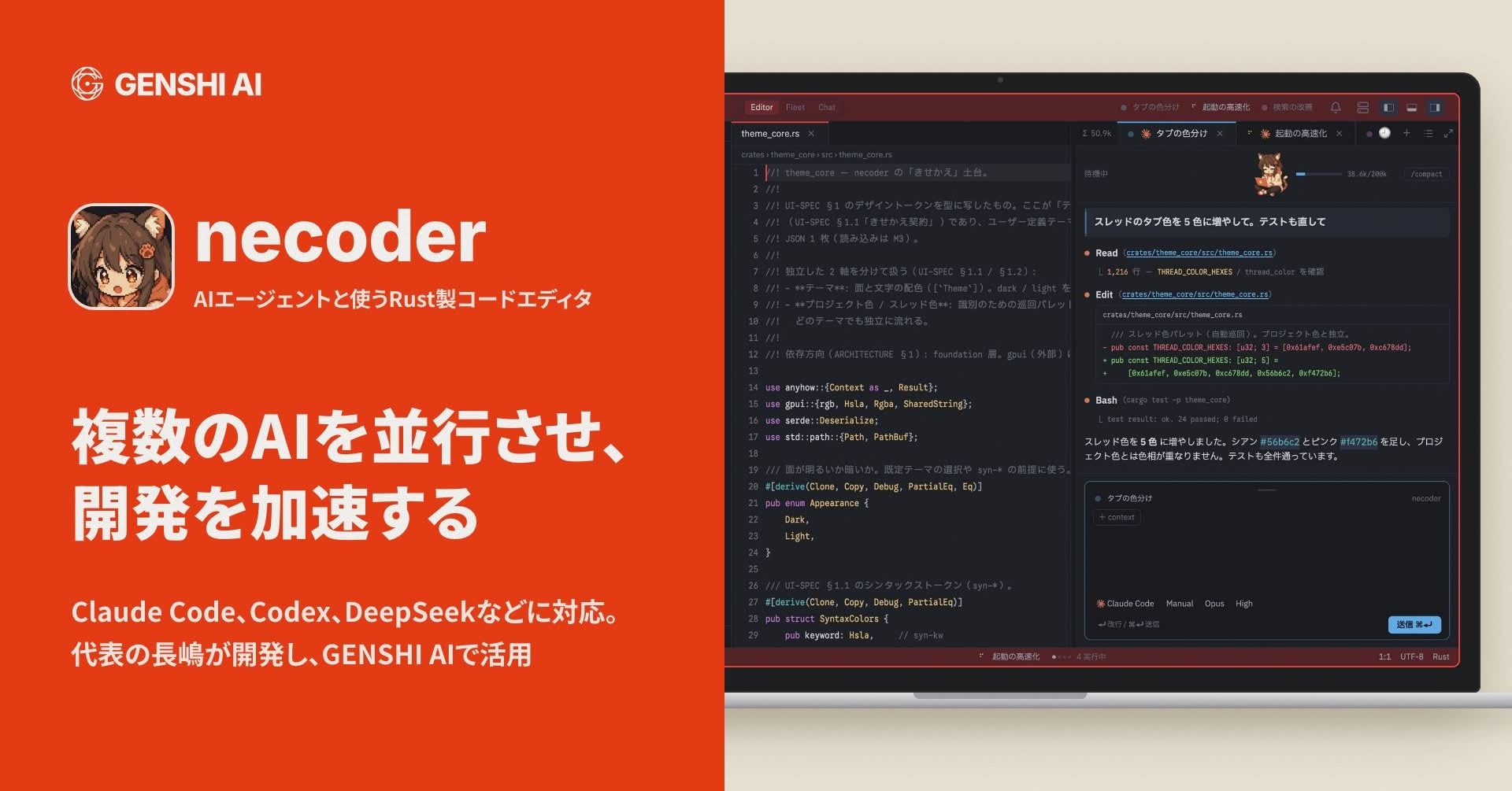
GENSHI AI said it adopted necoder in-house — a free, AGPL-3.0 Rust editor that Daichi Nagashima began building…
Carnegie Mellon's IdeaTaste scored over 90,000 proposals from six LLMs against what four research communities…

Anthropic released FlashProve under Apache 2.0, a zero-knowledge proof system built with EPFL, MIT, StarkWare…

Opening Postman desktop on October 24 installed a plugin into Codex and Claude Code, and the installer then wr…

