
What happened
Carnegie Mellon's IdeaTaste scored over 90,000 proposals from six LLMs against what four research communities actually published in 2026, with models reaching about 26% of human level on citation matching and about 18% on idea matching.
Why it matters
In blind expert review, AI proposals ranked lowest on expected success and highest on presentation, so the gap appears to be in research direction rather than writing — and neither more context nor more models closed it, suggesting fluency-focused benchmarks overstate capability.
WHO IT HITSResearch funders and peer-review panels that lean on AI-written proposals may be reading polish rather than promise, and AI teams building research-assistant tools face a measurable ceiling on idea quality.
Summaries like this, every morning.
The benchmark's design choice is the story. Most evaluations of AI research ideas rely on human raters, who tend to reward fluency and plausibility — qualities LLMs produce easily whether or not the underlying direction is productive. IdeaTaste sidesteps that by freezing a literature snapshot at 2025 and grading proposals against what the same communities actually chose to publish a year later, a target that well-structured writing cannot game.
The results split along a revealing line. Across more than 90,000 proposals from six models in four research areas, citation matching reached about 26% of human level while idea matching reached about 18%. Blind expert review adds texture: AI proposals ranked lowest on expected success and highest on presentation. That combination points to a gap in research direction rather than in writing quality, and the authors report that neither expanded context nor larger model populations closed it.
The team plans a continuously updated leaderboard tracking whether future model generations close the gap against live publication cycles — turning a one-off measurement into an ongoing check on how quickly AI judgment in research improves.
Pick your industry and the AI tools you use, and get news related to your work every day.
Free · 30 seconds with Google · unsubscribe anytimeWhat is AIToday? →
Ask AI anything about this article. The AI reads this article, earlier AIToday articles, and Wikipedia, and cites its sources. Q&As are published on this page for other readers too.
Casap announced a $56 million Series B led by Base10 Partners, with Experian and Synchrony as strategic invest…
Kindai University will give 4,000 Paperpal licenses to full-time faculty and doctoral students at all campuses…

HIX AI's connector update on 11月4日 links Microsoft 365 (Outlook Mail, Outlook Calendar, OneDrive), Google Work…

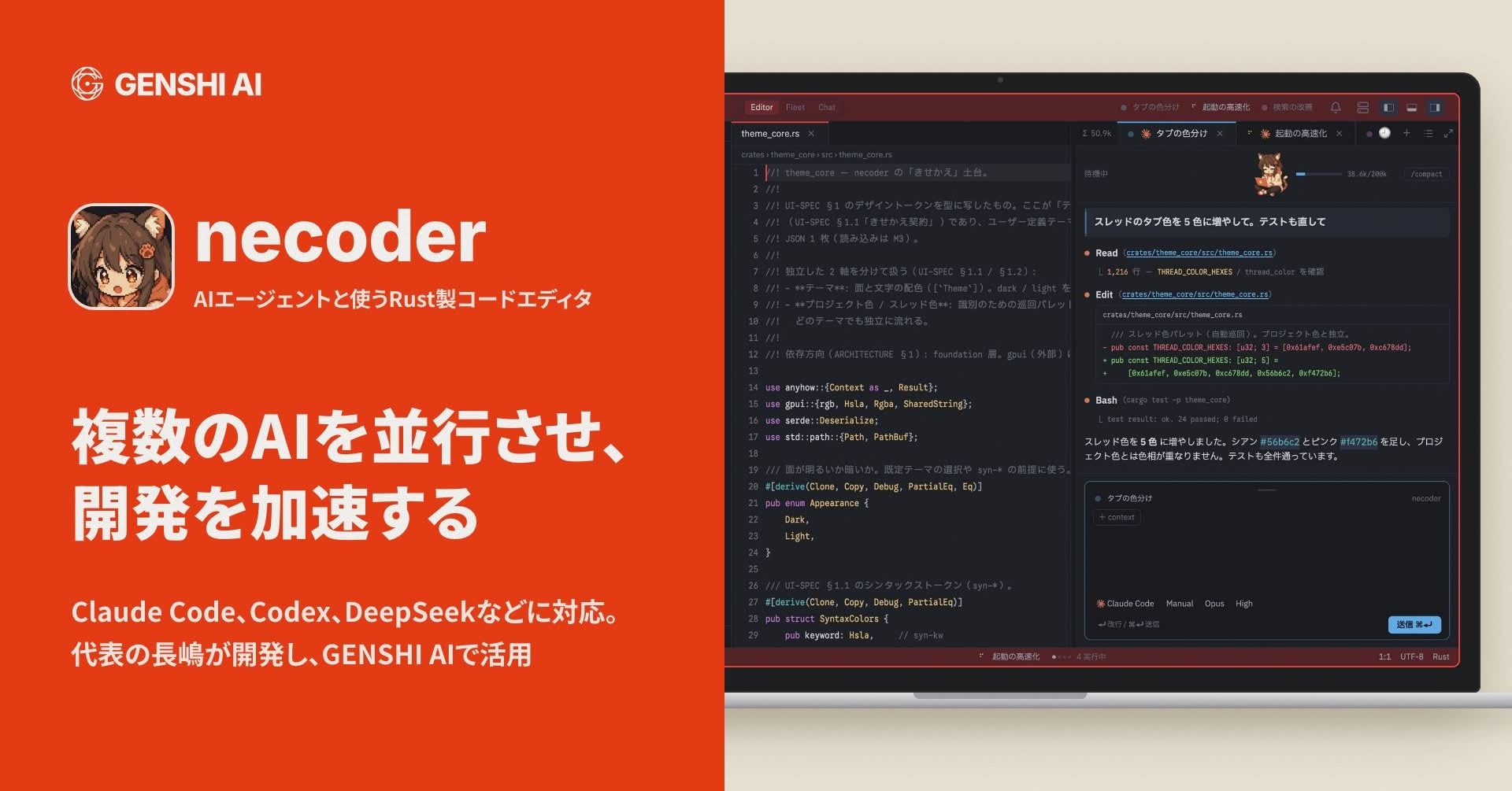
GENSHI AI said it adopted necoder in-house — a free, AGPL-3.0 Rust editor that Daichi Nagashima began building…
Nicholas Carlini matched Stockfish 17, ported to a 200MHz Pentium Pro, against 1996's Crafty 11.13 on a modern…

Xin Liu and co-authors surveyed 291 open-weight LLM repositories and found 20 of 38 untied gated and hybrid ch…

