What happened
Hugging Face CEO Clem Delangue told TechCrunch's Equity podcast that companies consistently follow a pattern—they start with frontier APIs, but as they scale, costs push them toward open-source models. Hugging Face, described as a GitHub for AI where builders share models and datasets, is now used by roughly half the Fortune 500.
Why it matters
The shift reflects a real economic pressure on businesses; paying per-API call becomes unsustainable once usage grows. Delangue is concerned that a handful of big companies could end up controlling everything, suggesting the open vs. closed-source fight shapes who gets access to AI tools and at what cost.
What to watch
Delangue's comments come in the wake of Anthropic's halted Fable release, which appears to have prompted renewed discussion about whether the industry's future belongs to open or proprietary models.
Summaries like this, in your inbox every morning.
Hugging Face has positioned itself as the infrastructure layer for open-source AI development, mirroring GitHub's role in software. The company's growth to serve roughly half the Fortune 500 underscores a material shift in how enterprises approach AI: the economics of API pricing do not survive contact with real scale. Delangue's framing of this as a predictable, repeating pattern suggests the move is structural, not a temporary trend.
The broader significance lies in the open vs. closed question. Delangue's concern about concentration—that "a handful of big companies could end up controlling everything"—reflects a real tension in the AI industry. The mention of Anthropic's halted Fable release indicates that decisions about whether to keep models proprietary or release them openly have become strategically important. A market where open-source models are viable and widely used creates an alternative to dependence on closed APIs, which may redistribute power away from the largest API providers.
Pick your industry and the AI tools you use, and get news related to your work every day.
Free · 30 seconds with Google · unsubscribe anytimeWhat is AIToday? →
Ask AI anything about this article. The AI reads this article, earlier AIToday articles, and Wikipedia, and cites its sources. Q&As are published on this page for other readers too.
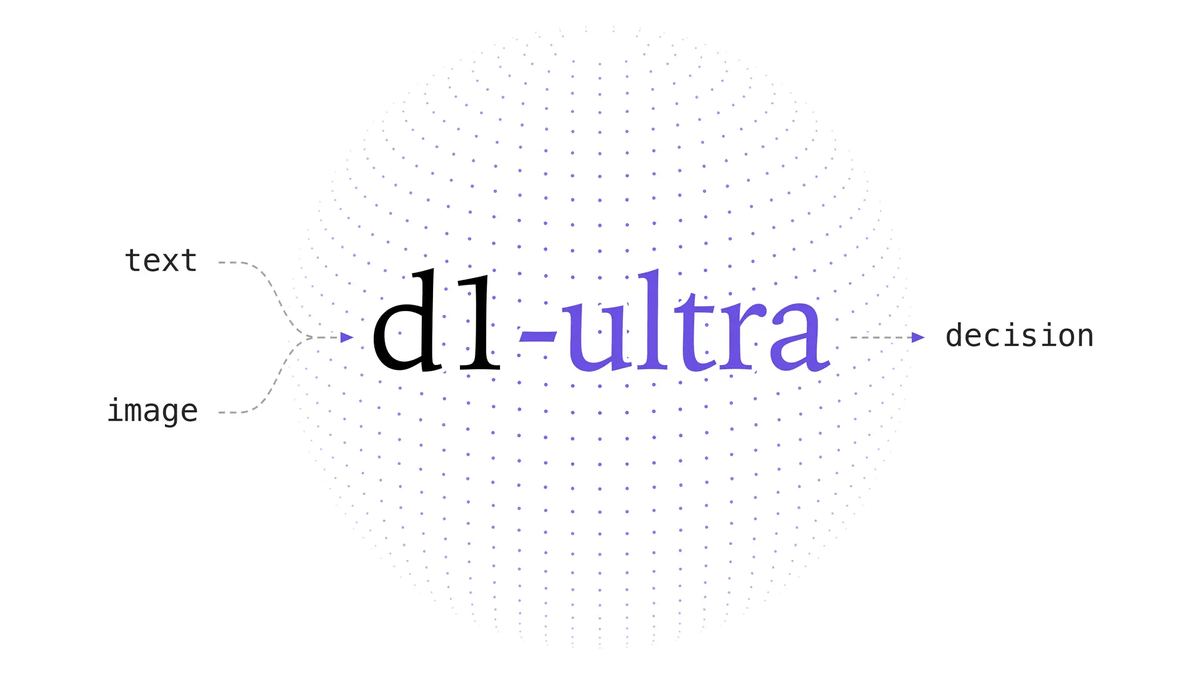
Liquid AI released d1-ultra on October 15, 2026, an upgraded open-weights decision model that averaged 76.7 ac…
NVIDIA released Nemotron 3.5 Super VL, an open-weight model with 120 billion parameters that handles text, ima…

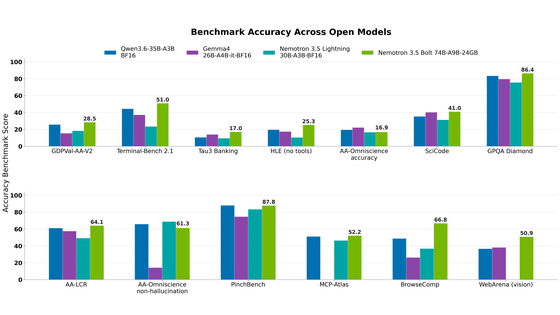
NVIDIA released Nemotron 3.5 Bolt 74B-A9B 24GB, an AI model for local agents that hits over 80 tokens per seco…
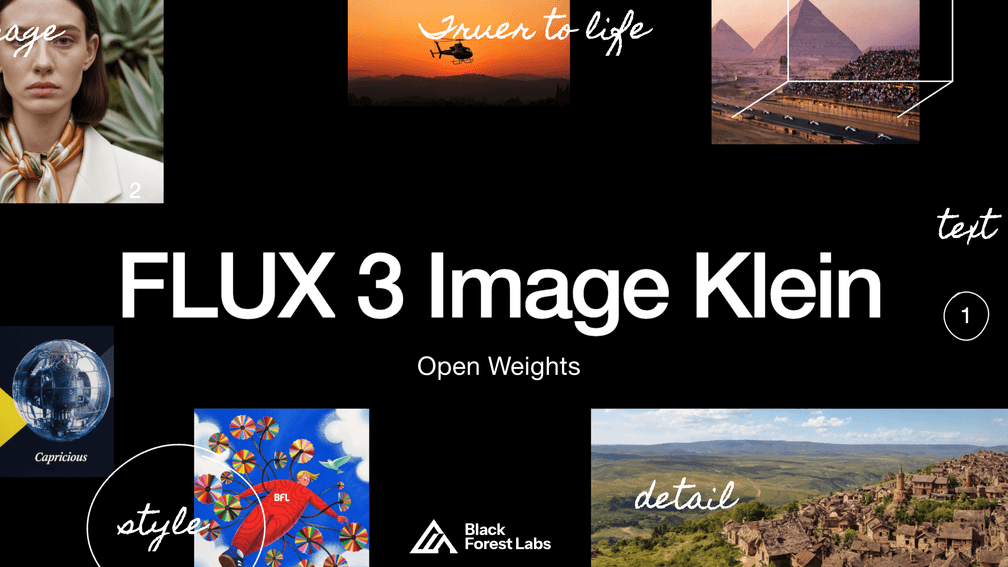
Black Forest Labs released FLUX 3 Image Klein as open weights on October 15, 2026 — a 5.6B-parameter model for…
PrismML released Ternary Bonsai 2 2B, 4B and 9B on October 15, 2026, remade from Qwen3.5 to process in three v…

HarnessRouter, an open-source server for UHP (Unified Harness Protocol), routes a task and harness_id from a p…