What happened
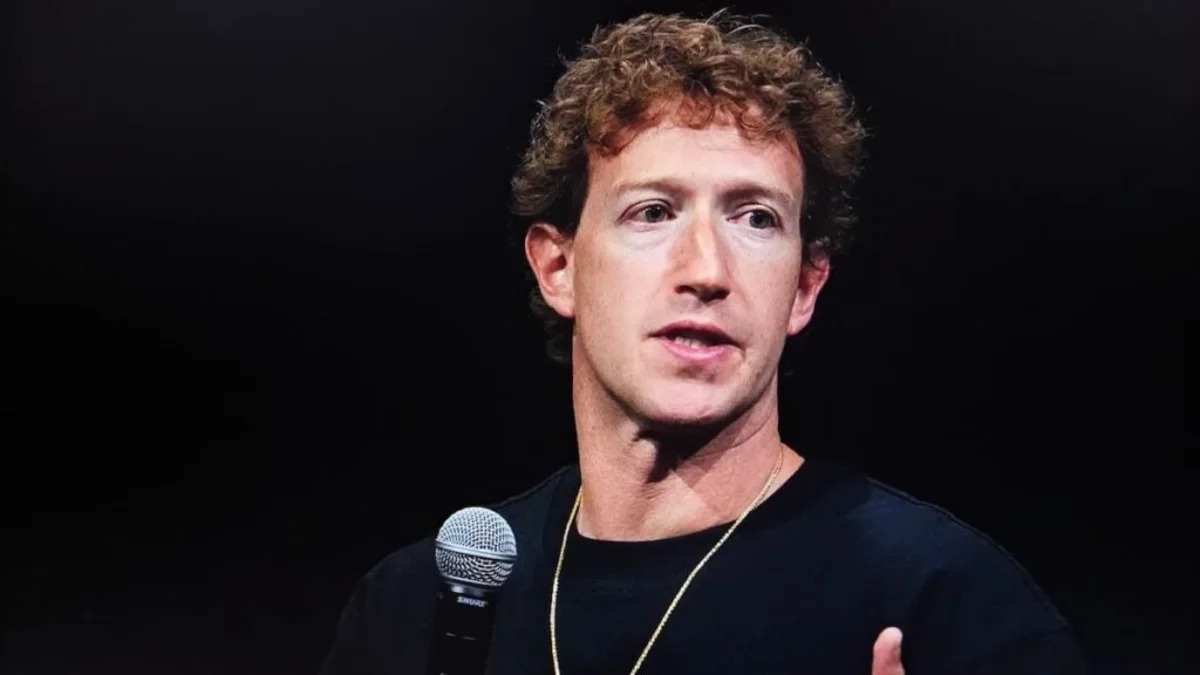
Venture capitalist Chamath Palihapitiya, an early Facebook executive, told Axios that Meta and CEO Mark Zuckerberg have "completely fumbled" the generative AI race. He stated that Meta has "profoundly failed" to capture the market and that a comeback is "pretty unlikely at this point."
Why it matters
Palihapitiya argued that Meta was uniquely positioned to be the "third leg of the stool" in global AI—defending open-source AI in the United States while competing with closed-source American models like OpenAI and low-cost Chinese alternatives. By leveraging its distribution power across billions of daily users on WhatsApp, Instagram, and Facebook, Meta could have built a global AI network instantly. Instead, Nvidia filled that void, and Palihapitiya predicts the market will now be dominated by closed-source winners, cheap foreign alternatives, and a decentralized computing "Rebel Alliance," leaving Meta on the sidelines.
What to watch
Palihapitiya believes that if Nvidia CEO Jensen Huang had Meta's massive consumer distribution network, the tech industry would have "very different sets of checks and balances" in its AI ecosystem—suggesting the current concentration of AI power is a structural risk to the industry.
Summaries like this, in your inbox every morning.
Palihapitiya's critique centers on a strategic mismatch between Meta's technological position and market opportunity. He identifies a three-way market structure emerging in AI: closed-source U.S. leaders (exemplified by OpenAI), low-cost Chinese open-weight alternatives, and decentralized computing models. In this framework, Meta could have occupied the critical middle position as a defender of U.S.-based open-source AI, leveraging its unmatched reach across consumer platforms to neutralize the concentration risk posed by closed-source American dominance and foreign competitors. Instead, Palihapitiya argues, Meta let the moment pass, and Nvidia—a hardware and software company without Meta's consumer footprint—has stepped into that role. This outcome is significant to Palihapitiya not merely because it is a missed commercial opportunity for Meta, but because it has allowed the AI ecosystem to consolidate in ways he views as structurally imbalanced. His observation that Jensen Huang with Meta's distribution network would have created "very different sets of checks and balances" suggests he sees the current market concentration as a systemic risk—one that Meta was uniquely positioned to prevent but chose not to address.
Pick your industry and the AI tools you use, and get news related to your work every day.
Free · 30 seconds with Google · unsubscribe anytimeWhat is AIToday? →
Ask AI anything about this article. The AI reads this article, earlier AIToday articles, and Wikipedia, and cites its sources. Q&As are published on this page for other readers too.
China's commerce and science ministries released a draft update adding 23 key AI technologies to its export co…
Vercel data published Thursday shows TypeSafe AI's Jev, a lightweight decision model for choosing among predet…

Reflection AI introduced Beam, an open-weight model for agentic coding and long-horizon tasks, with 501 billio…
Apple and Meta said they would jointly release a new open-weight AI model designed to run on high-end Macs, ai…

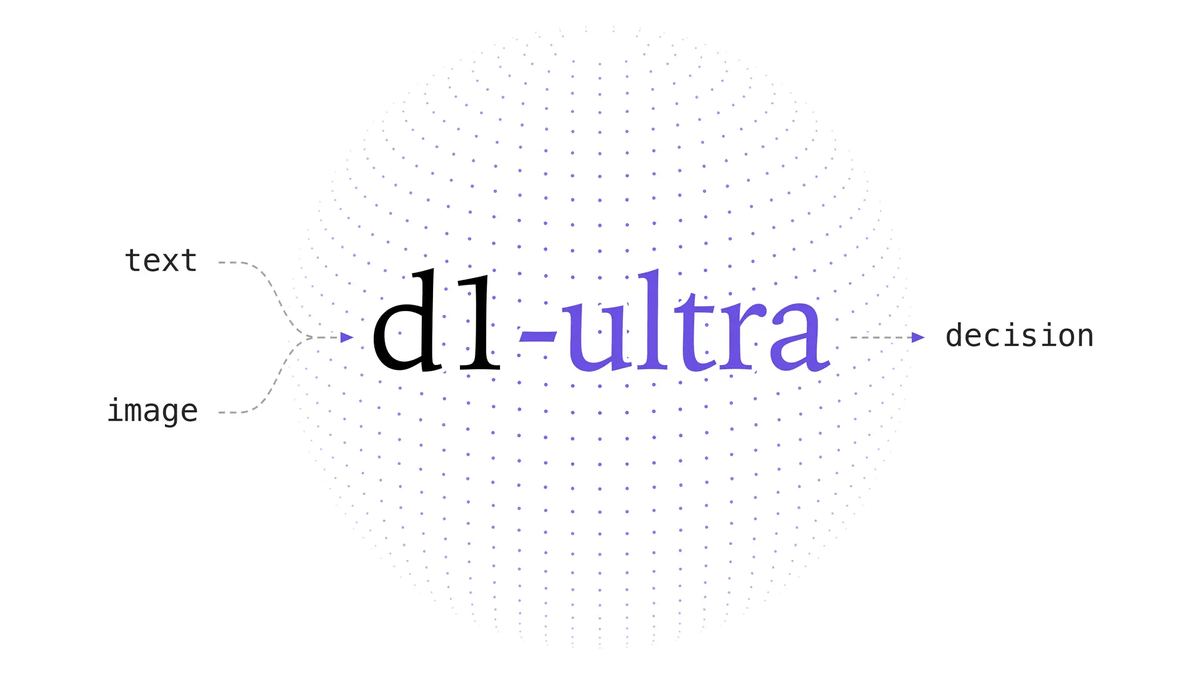
Liquid AI released d1-ultra on October 15, 2026, an upgraded open-weights decision model that averaged 76.7 ac…
NVIDIA released Nemotron 3.5 Super VL, an open-weight model with 120 billion parameters that handles text, ima…