What happened
GMOグローバルサイン・ホールディングス and VESS Labs ran a joint 信頼基盤 proof-of-concept from 2026年4月~9月, linking buyer-side and seller-side AIエージェント built independently by different firms through identity and authority checks, human approval, ordering, and mock payment.
Why it matters
Cross-company AI deals today would force each firm to query the other's systems to confirm who an agent belongs to and what it may do, so a shared trust layer could remove that step-by-step checking.
What to watch
The test covered mock payment and human sign-off, so real adoption hinges on whether production payment rails and liability rules follow. Watch whether the two firms extend the 信頼基盤 work beyond the April–September 2026 window.
WHO IT HITSThis lands hardest on corporate procurement and payment operations teams that would otherwise have to manually verify the identity and spending authority of an outside company's AI agent before letting it place orders.
Summaries like this, in your inbox every morning.
The proof-of-concept sits at the point where AI agents stop being an in-house tool and start acting as counterparties to other firms. Inside one company, the relationship between an agent, its owner, and its user can be managed in advance. Once agents from separate companies connect directly to trade, that certainty disappears.
The two partners addressed this by having independently developed buyer-side and seller-side agents verify each other's identity and authority, then routing the transaction through human purchase approval, ordering, and a mock payment. The trial ran from April to September 2026.
The open question is whether a shared trust layer can carry real settlements. Because the test stopped at mock payment, the outcome hinges on whether production payment rails and clear responsibility rules follow — a question most relevant to the procurement and finance teams that would authorize an outside agent to spend on their behalf.
For example, today's edition would include:
AI-summarized, only the topics you pick: one digest a day via Email, LINE, or Slack.
Free · 30 seconds with Google · unsubscribe anytimeWhat is AIToday? →
Ask AI anything about this article. The AI reads this article, earlier AIToday articles, and Wikipedia, and cites its sources. Q&As are published on this page for other readers too.
Google's Project Suncatcher will send an experimental satellite via SpaceX next week, carrying TPUs able to ha…

Okta announced Monday it is collaborating with CrowdStrike, Google Cloud, Salesforce and others to launch the…

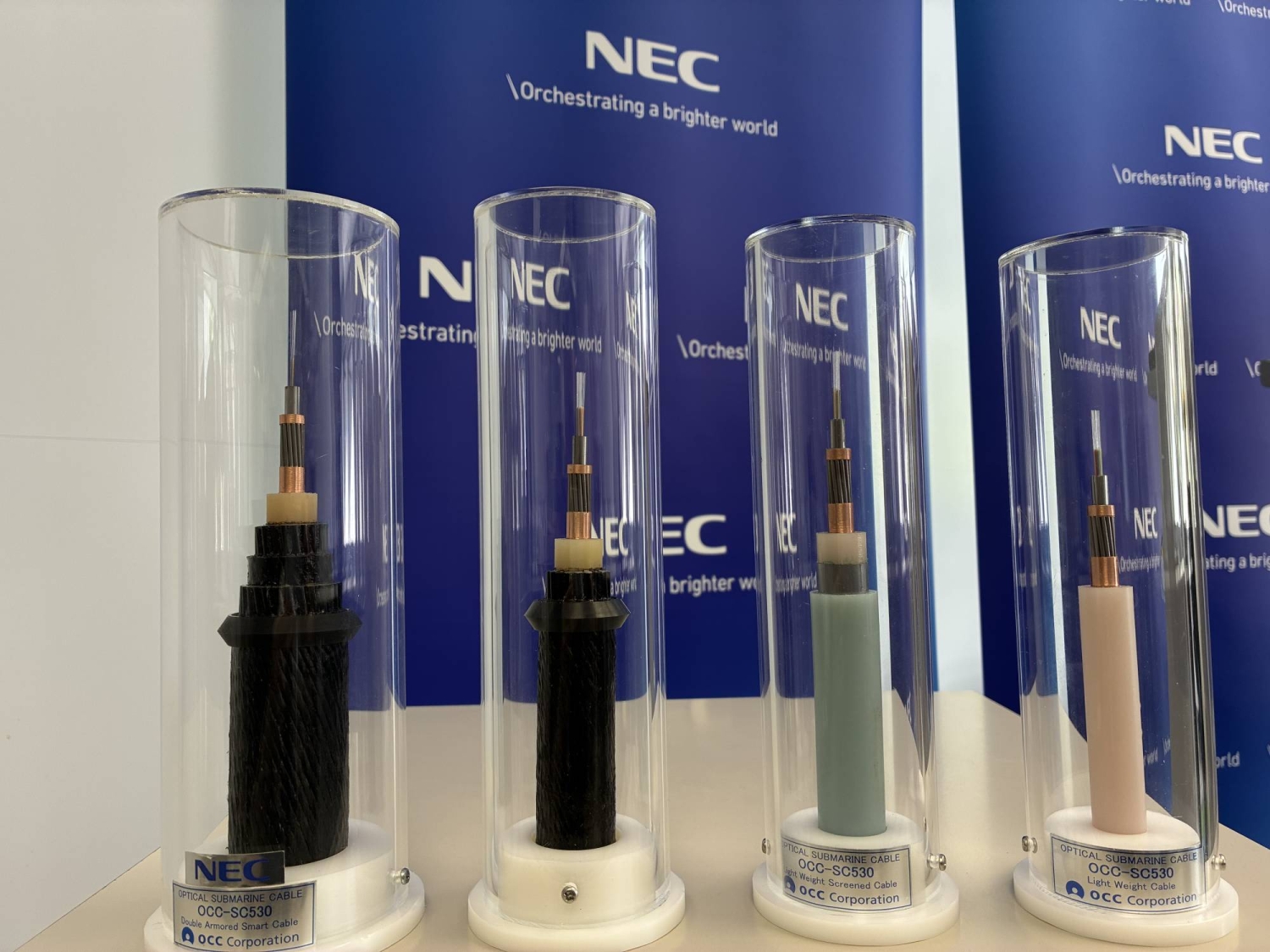
NEC will build a subsea cable for Meta Platforms called Petal, with twice the capacity of the best existing ca…
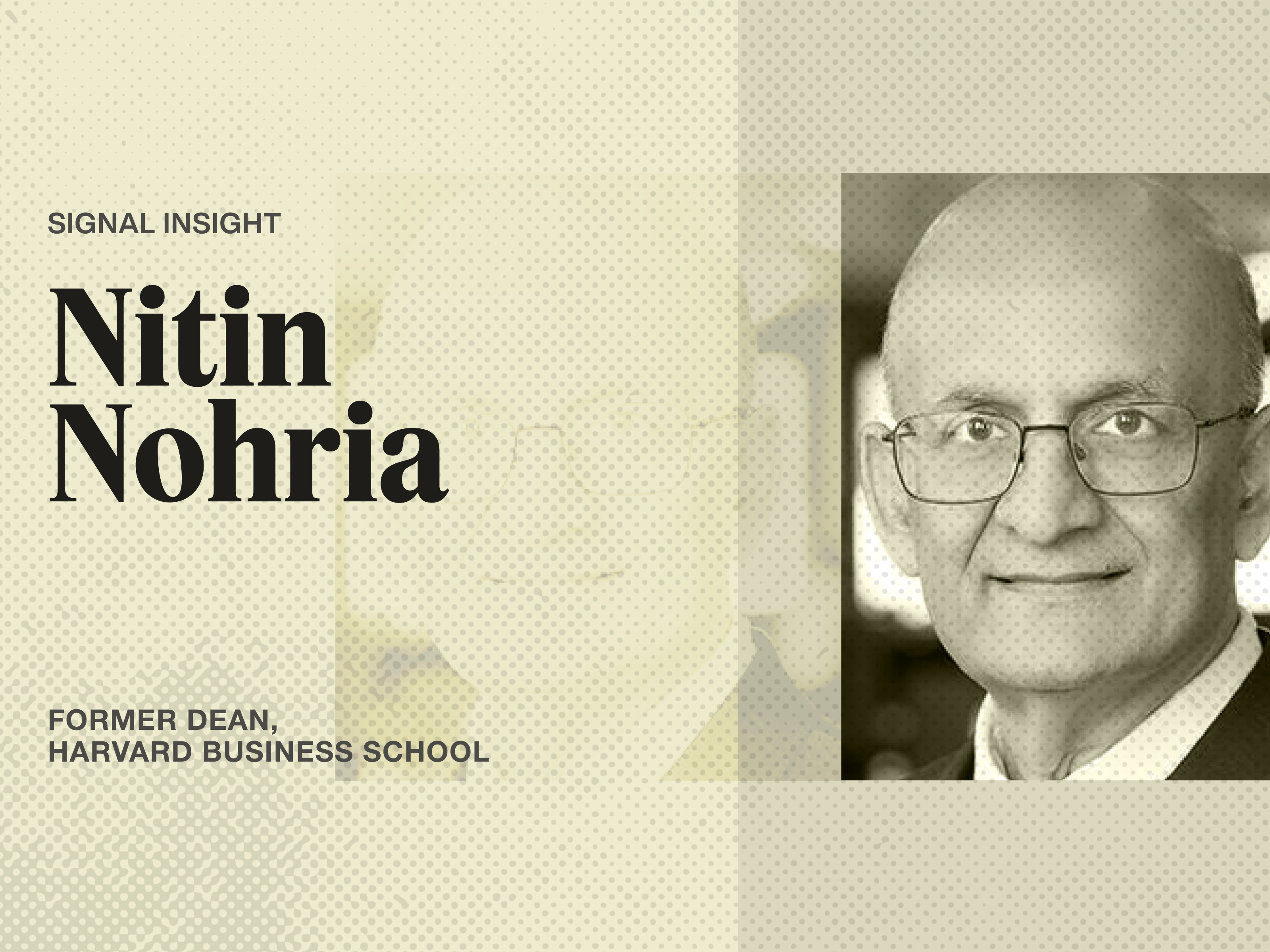
Nitin Nohria — former Harvard Business School dean, Thrive Capital chairman and author of a new book on the CE…
David Heinemeier Hansson, creator of Ruby on Rails, told Rails World 2026 he has written no code by hand since…
The White House's Office of the National Cyber Director asked OpenAI and Anthropic to keep new models from the…