What happened
AWS published a step-by-step guide to connect Claude Desktop on Amazon Bedrock to Web Search through AgentCore Gateway, securing it with JWT-based authentication that uses AWS IAM Identity Center and Amazon Cognito.
Why it matters
This closes Claude Desktop's knowledge cutoff gap, so enterprise users can pull current information such as recent documentation updates, live pricing, or weather while authentication stays inside the AWS boundary they already govern.
What to watch
The setup depends on having IAM Identity Center preconfigured and on creating the gateway in a supported Region, and AWS notes the same pattern works with any SAML or OIDC-compatible identity provider.
WHO IT HITSEnterprise IT and platform teams running Claude Desktop on Amazon Bedrock who need current web results without standing up separate credentials or third-party identity providers are the ones who would operationalize this setup.
Summaries like this, in your inbox every morning.
The starting point for this walkthrough is a familiar limitation: Claude Desktop on Amazon Bedrock can only answer from the model's training knowledge cutoff, so questions about recent documentation updates, live pricing, or weather cannot be retrieved on its own. AWS's post presents Amazon Bedrock AgentCore as the layer that closes that gap, and AgentCore Gateway as the specific component you wire into Claude Desktop.
The design choices matter for organizations already standardized on AWS. The guide uses AWS IAM Identity Center as the authentication source and Amazon Cognito as a federation layer with the OAuth 2.0 authorization code grant flow, so the identity path matches governance many enterprises already have in place rather than adding a separate identity system. AWS also stresses that the Web Search capability is fully managed and Model Context Protocol (MCP)-compatible, with its Amazon web index spanning tens of billions of documents, and that queries stay inside the customer's boundary.
The practical constraint is geographic: Web Search on Amazon Bedrock AgentCore is currently available in the US East (N. Virginia), Europe (Ireland), and Asia Pacific (Tokyo) Regions, so the gateway has to live in one of those. For teams evaluating this, the outcome likely hinges on whether their existing identity setup and Region choice line up with those prerequisites, and on whether the promise of no external API keys and no queries leaving the boundary is worth the configuration steps.
Pick your industry and the AI tools you use, and get news related to your work every day.
Free · 30 seconds with Google · unsubscribe anytimeWhat is AIToday? →
Ask AI anything about this article. The AI reads this article, earlier AIToday articles, and Wikipedia, and cites its sources. Q&As are published on this page for other readers too.
Anthropic CEO Dario Amodei is reportedly targeting a pre-Thanksgiving IPO, even as Oura postpones its offering…

Huawei raised flagship prices by up to US$200, citing an average US$200 rise in per-unit manufacturing costs…

SpaceX stock rose 6.1% through 11 a.m

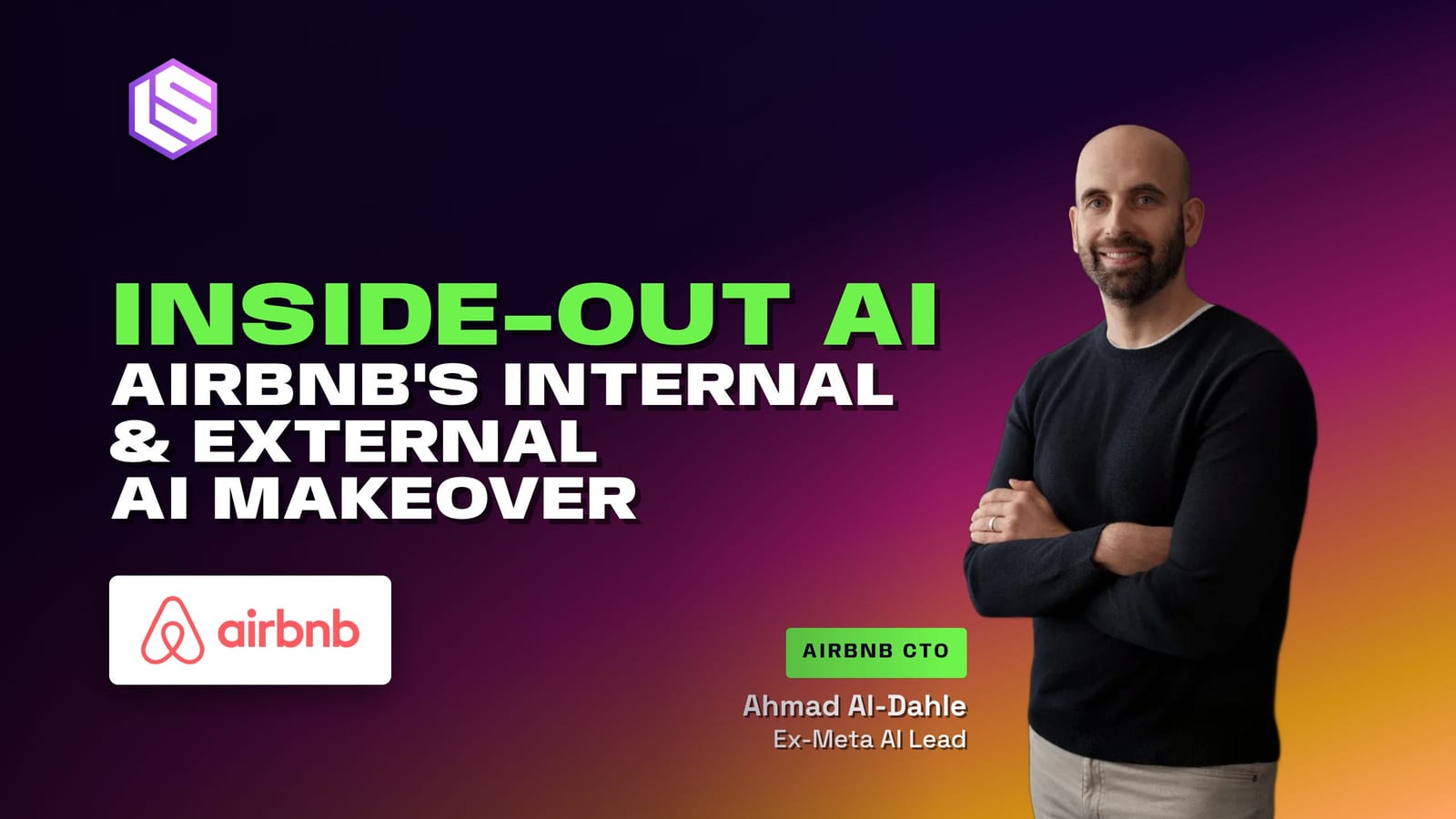
Airbnb CTO Ahmad Al-Dahle said about half of support tickets are now resolved purely by AI, 60% of code is AI-…
At Fortune's AIQ Summit, Booking Holdings CFO Ewout Steenbergen said hyperscalers spending hundreds of billion…

A Japanese edition of Machine Learning for High-Risk Applications (O'Reilly Japan, 2025) describes how Zillow'…


