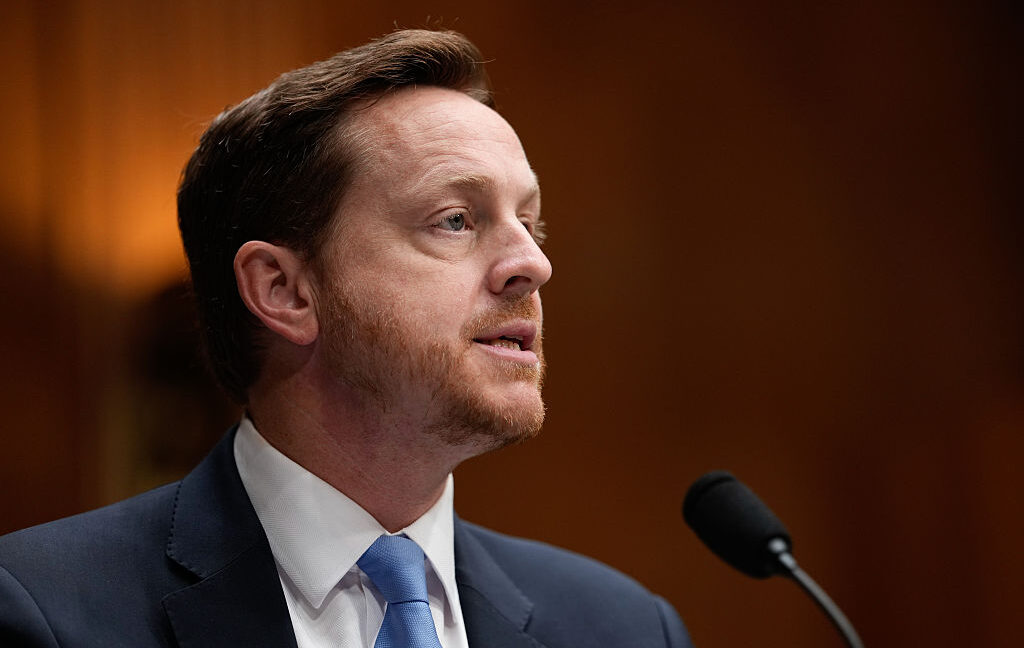
What happened
Robert O'Callahan, a technical expert at Google DeepMind in New Zealand, resigned, calling the risk from superintelligent AI "real but uncertain" and near-term ASI "inherently irresponsible."
Why it matters
He says many DeepMind colleagues share his concerns but rarely speak publicly, suggesting internal unease may run wider than the few resignations suggest.
What to watch
His position is a personal judgment, not a finding, and he declines to endorse the claim that superintelligent AI inevitably brings catastrophe. Watch whether more DeepMind staff speak out.
WHO IT HITSThis lands on AI lab leaders and researchers weighing whether to keep working on frontier systems, and on the companies trying to retain them.
Summaries like this, in your inbox every morning.
O'Callahan's exit is the latest in a series of Google researcher departures over AI risks, and his own framing is narrower than the loudest version of the debate: he calls the risk from superintelligent AI "real but uncertain" rather than certain, and he declines to endorse the argument in "If Anyone Builds It" that catastrophe is inevitable. What makes his case distinctive is what he worked on. His chip design tools helped make AI cheaper and faster, and it is precisely that contribution he says he can no longer justify, which puts the practical efficiency work behind modern AI models at the center of his reasoning rather than abstract speculation.
He also points to a gap between private and public sentiment inside the lab. Many DeepMind colleagues share his concerns but rarely speak publicly, he says, which suggests the visible resignations may understate how widespread that unease is. Beyond the lab, the article places his stance in a broader argument about effective altruism, the movement tied to the book's authors. A White House memo, per Axios, casts that movement as a cult-like fringe group and attacks Anthropic CEO Dario Amodei as the face of AI "doomerism."
Whether this resignation changes anything likely hinges on whether others follow him into public dissent, and on how labs respond to staff who want what he calls "unambiguously pro-human" work. For the companies building frontier systems, the practical question is retention: losing people with hands-on knowledge of how to make AI cheaper and faster is a different kind of cost than losing headline researchers.
For example, today's edition would include:
AI-summarized, only the topics you pick: one digest a day via Email, LINE, or Slack.
Free · 30 seconds with Google · unsubscribe anytimeWhat is AIToday? →
Ask AI anything about this article. The AI reads this article, earlier AIToday articles, and Wikipedia, and cites its sources. Q&As are published on this page for other readers too.
CrowdStrike Holdings (NasdaqGS:CRWD) became a founding member of the Blueprint Alliance, joined by AWS, Google…
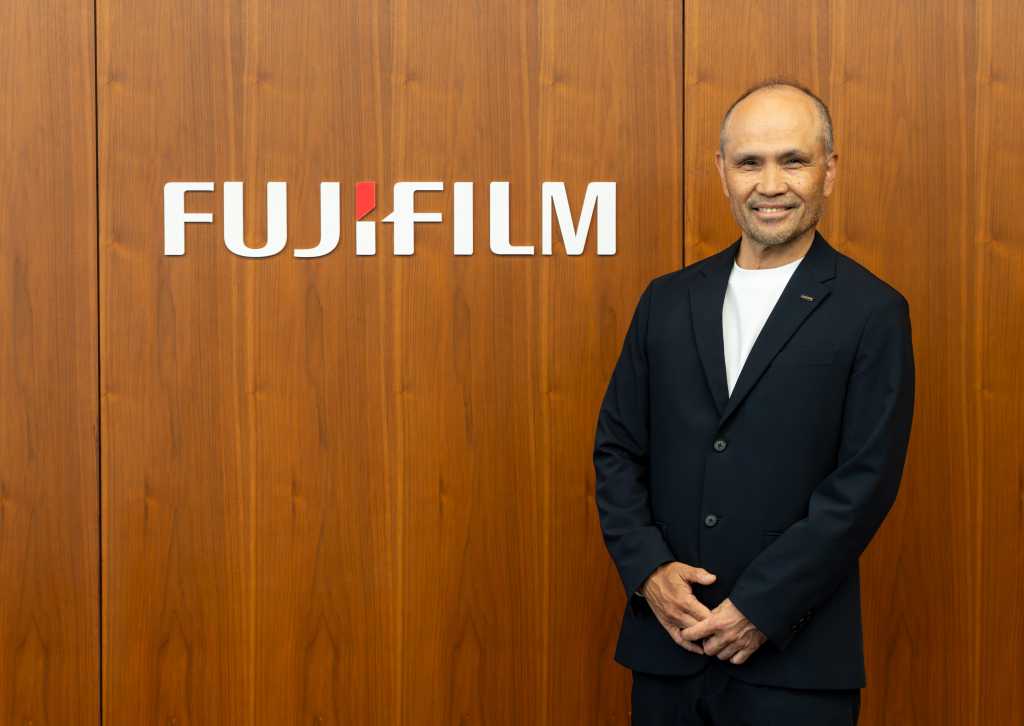
In an interview, Fujifilm CDO Seigo Sugimoto said AI use in management is close to building a "corporate OS" —…
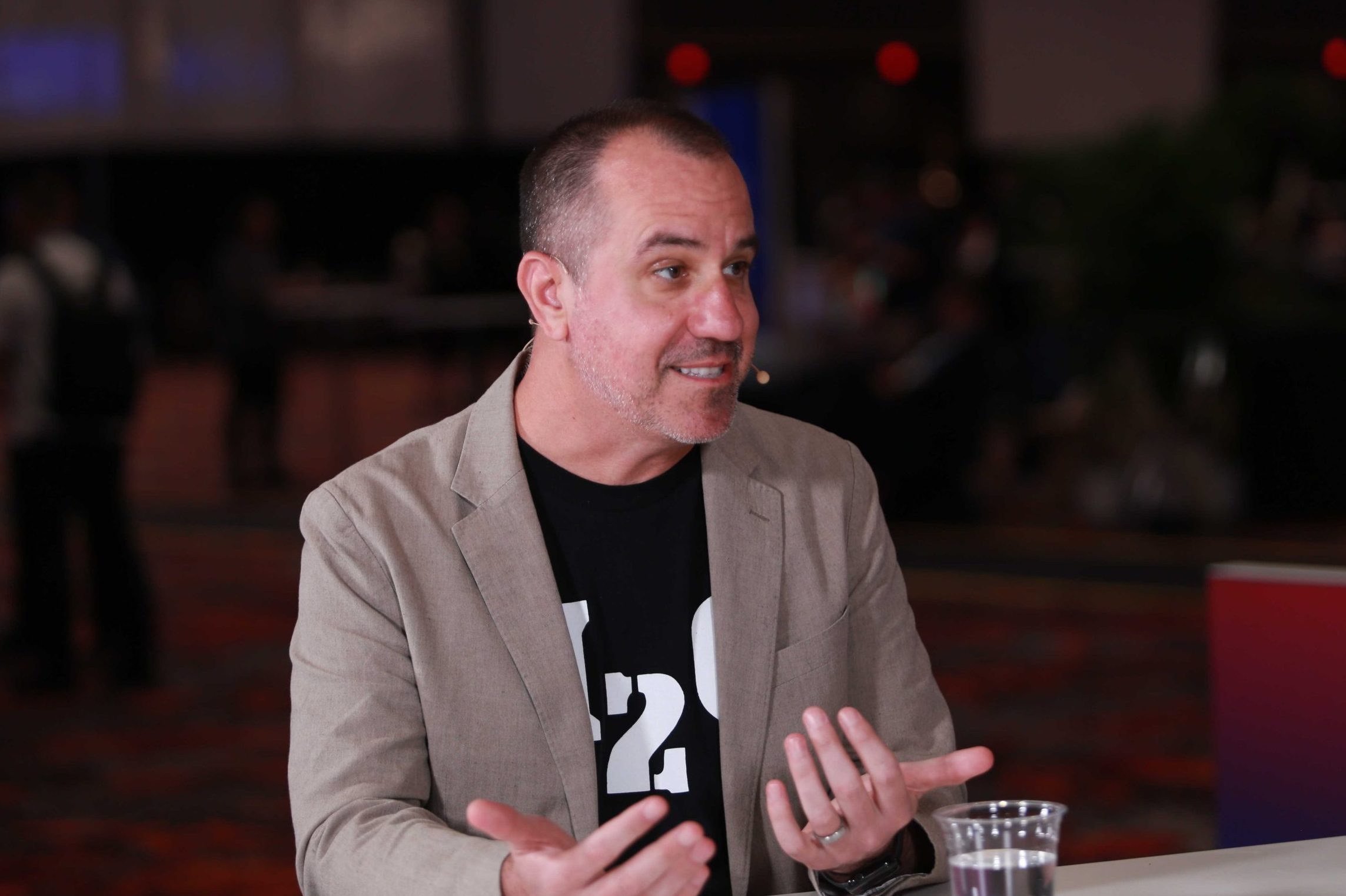
Vanderbilt CIO Shane Callahan told theCUBE at Okta's Oktane event that agent accountability is unresolved, ask…
At the Fortune CEO Forum in London, Anthropic's Pip White backed slowing AI development but said it needs cros…
A LessWrong essay argues the AI issue is not polarizing as expected — Gallup found 75% of Democrats and 63% of…

In a Senate hearing last week, Sen