What happened
In a federal case in the U.S. District Court for the Northern District of California, Seth Kugler's client won a temporary restraining order and preliminary injunction against a former senior marketing-agency employee who trained an AI agent on stolen trade secrets; the court called the competing agent an "existential threat."
Why it matters
The ruling signals courts may treat AI models built with misappropriated data as an immediate threat, not just the stolen files themselves, making it harder for defendants to argue that no harm has occurred yet.
Summaries like this, every morning.
The case, litigated by Seth Kugler of Grellas Shah LLP, involved a former senior employee at a marketing agency who did not simply copy client lists but used stolen trade secrets as training inputs to build an AI version of his old boss. This approach aimed to shortcut the years of experience typically needed to compete in that space. The court's recognition of the AI agent as an 'existential threat' suggests that judges may view the mere training of a model on proprietary data as harmful, even before any clients are poached. Kugler notes that traditional digital discovery is no longer sufficient because AI tools can disperse, alter, and recreate data across nonobvious folder paths, making full forensic imaging of personal devices the new bare minimum. He also points to inadvertent risks: thousands of employees may be violating confidentiality agreements by running consumer AI agents on personal laptops that house employer IP, and standard IT audits won't catch this. The three practical steps Kugler outlines are grounded in this new reality, emphasizing isolation of AI from company documents, closed cloud environments, and updated legal agreements.
Pick your industry and the AI tools you use, and get news related to your work every day.
Free · 30 seconds with Google · unsubscribe anytimeWhat is AIToday? →
Ask AI anything about this article. The AI reads this article, earlier AIToday articles, and Wikipedia, and cites its sources. Q&As are published on this page for other readers too.
Pantheon Macroeconomics' Samuel Tombs and Oliver Allen track AI-exposed sectors and put net U.S
OpenDS-World, a benchmark submitted to arXiv on October 19, 2026, tested twelve frontier models on 200 live-we…

A community website tracking decompilation projects abruptly shut down last week; owner Encounter said AI can…

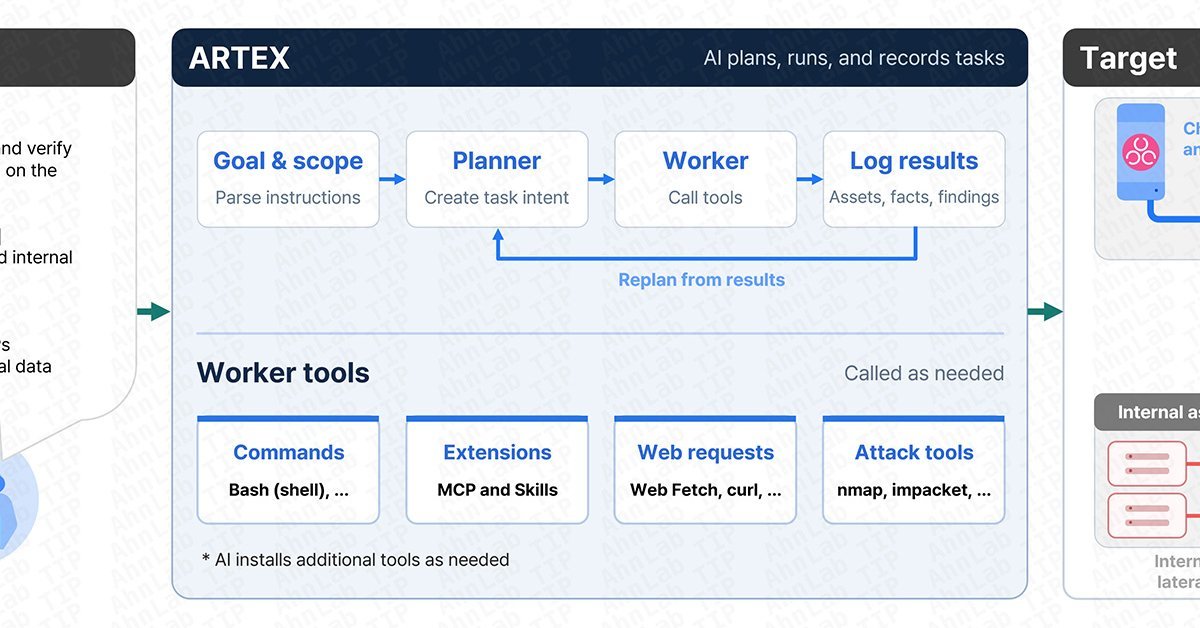
Microsoft said on October 21 that attackers tied to China's government are automating intrusions with ARTEX, a…
1Password unveiled 1Password for Agents, which lets an AI agent request credentials from a user's vault and, o…
ModelCompare asked 12 AI models three times each for their most controversial view of humans; all 12 gave the…