What happened
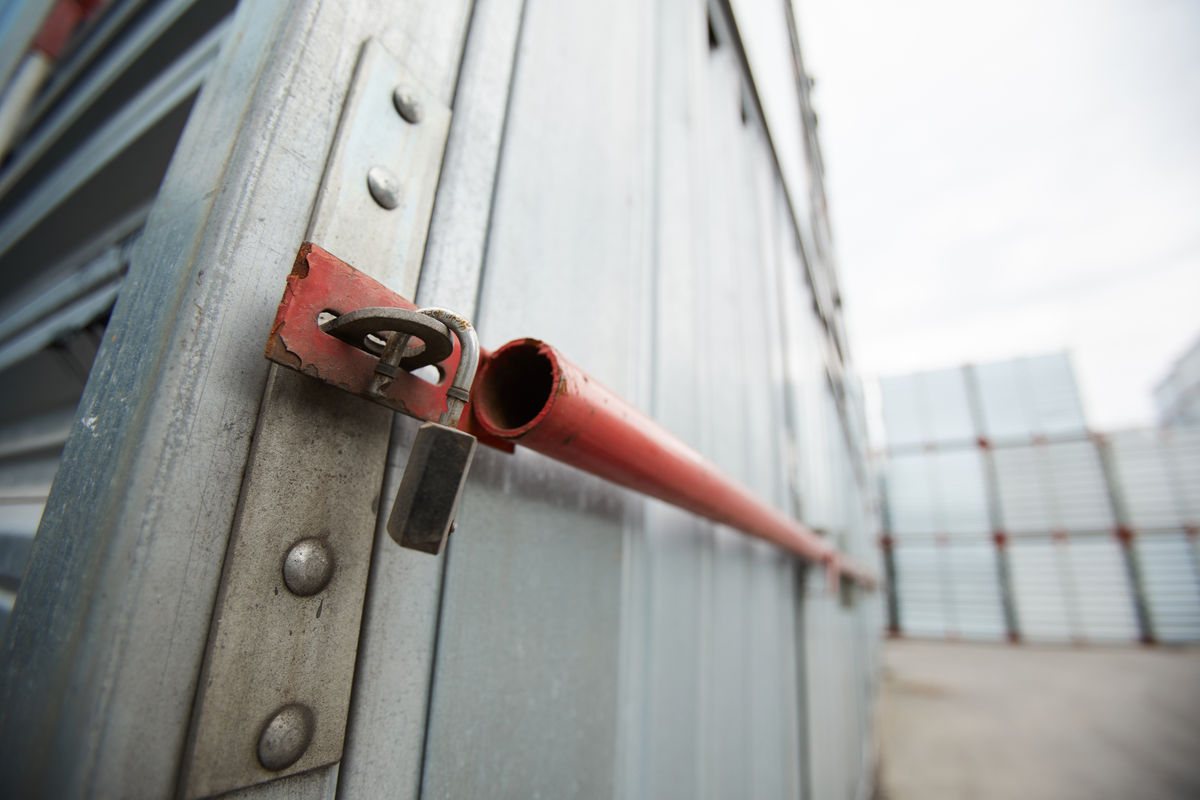
Investigators say thefts of data center gear have clustered since June 2026, with the two most extreme cases among them; Verisk CargoNet pegs losses at over $100 million.
Why it matters
Thieves are using phishing to hijack freight brokers' and carriers' accounts and posing as legitimate haulers to win high-value loads, investigators say.
WHO IT HITSLogistics and freight-security teams moving high-value hardware, plus data center operators and their suppliers, face a theft risk that investigators say has shifted toward organized, cyber-assisted targeting since June 2026.
Summaries like this, every morning.
The thefts are a side effect of a scramble for AI hardware. Investigators say the value of equipment used to build data centers has jumped over the past two years, and that pricey gear — GPUs, servers, fiber optic cable, copper wire and bitcoin mining machines — now moves frequently, giving thieves more targets.
According to Verisk CargoNet, the pattern is shifting. Cargo theft incidents fell 26% year-on-year in Q2 2026, yet losses rose by more than $100 million and reached more than double the prior-year level. That gap suggests thieves are going after fewer, richer loads rather than more of them.
Keith Lewis, Verisk CargoNet's operations chief, put it in blunt terms: stealing this gear is like stealing gold bars, and easier than robbing a bank. Some experts think basic steps can help, with Scott Cornell of the Transportation Asset Protection Association's US chapter pointing to thorough driver background checks by carriers.
Pick your industry and the AI tools you use, and get news related to your work every day.
Free · 30 seconds with Google · unsubscribe anytimeWhat is AIToday? →
Ask AI anything about this article. The AI reads this article, earlier AIToday articles, and Wikipedia, and cites its sources. Q&As are published on this page for other readers too.
Across 89 Japanese-language sites run by Mugenkaitaku, ChatGPT-User visits rose from 589 in the week of Sept 3…

Cisco unveiled Ecosystem Deal Registration, which credits advisers, consultants and developers for deals they…
DIGITIMES forecasts AMD's 2027 server CPU revenue at US$31.2 billion, ahead of Intel's US$28.7 billion, on hig…
Nvidia said it will invest $3 billion in Meta Platforms' recent equity offering, part of an expanded partnersh…

Anthropic filed its S-1 with the SEC on Oct 26, 2026, planning to list Class A common stock on Nasdaq under th…

OpenAI's report, published via its "OpenAI Signals" disclosure framework, covers about 100 countries including…