What happened
ASTM International's robotics committee (F45) is developing proposed method WK100792, which measures how degraded optical information affects a manipulator's task performance.
Why it matters
The standard could help developers identify system limitations before real-world deployment, including edge cases hard to capture in training data.
WHO IT HITSRobot manufacturers, perception and machine-learning developers, system integrators, end users, and testing laboratories would use the method to assess performance under controlled degradation before deployment.
Summaries like this, in your inbox every morning.
The proposed standard comes as robots increasingly move from controlled settings into warehouses and farms, where optical sensors face unpredictable conditions. ASTM International member Aarati Noronha notes that tasks a robot performs reliably under ideal conditions become much harder in the real world. Stressors such as changing light, reflective materials, interference, and high temperatures can degrade the information from cameras, acting as a distractor for downstream machine-learning models. The proposed method would provide a repeatable way to measure performance under controlled degradation, which Noronha says could help identify system limitations before real-world deployment. The standard is also positioned to support United Nations Sustainable Development Goal #8 on decent work and economic growth.
Pick your industry and the AI tools you use, and get news related to your work every day.
Free · 30 seconds with Google · unsubscribe anytimeWhat is AIToday? →
Ask AI anything about this article. The AI reads this article, earlier AIToday articles, and Wikipedia, and cites its sources. Q&As are published on this page for other readers too.
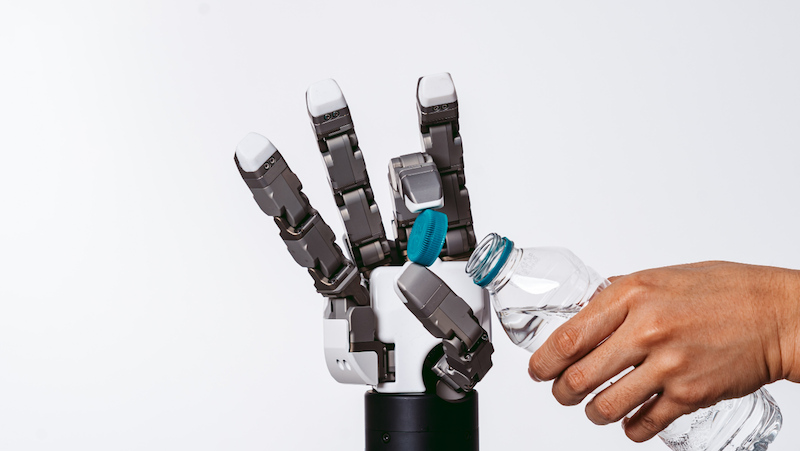
Tesollo expects cumulative sales of its robotic hands and grippers to exceed 1,000 units by the end of 2026, a…
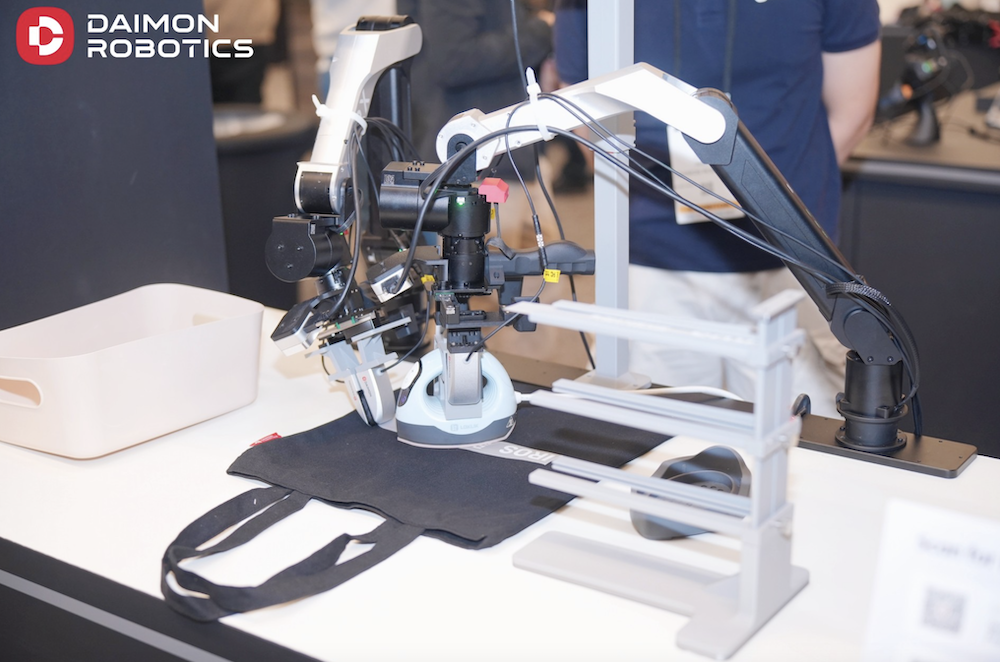
Daimon Robotics is building a pipeline linking tactile sensing, data collection, simulation, and AI models, wi…
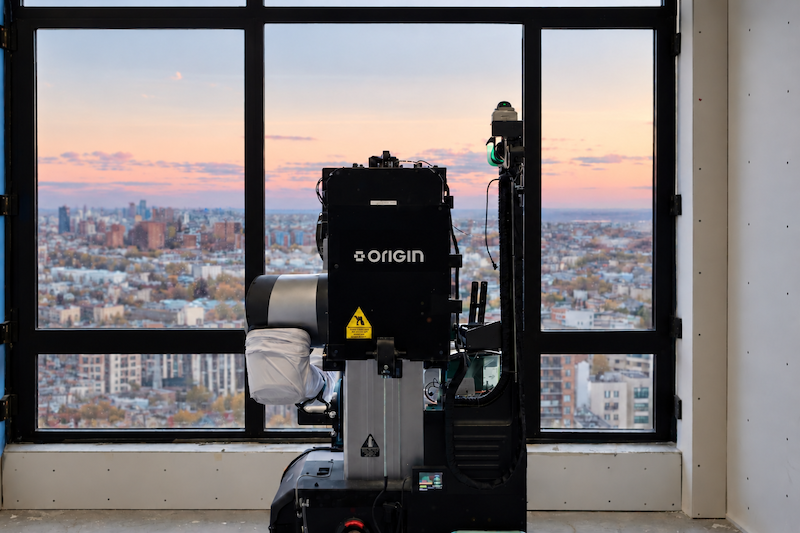
Origin exited stealth with $20 million in total funding co-led by Accel and Zacua Ventures, and its OG-1 robot…
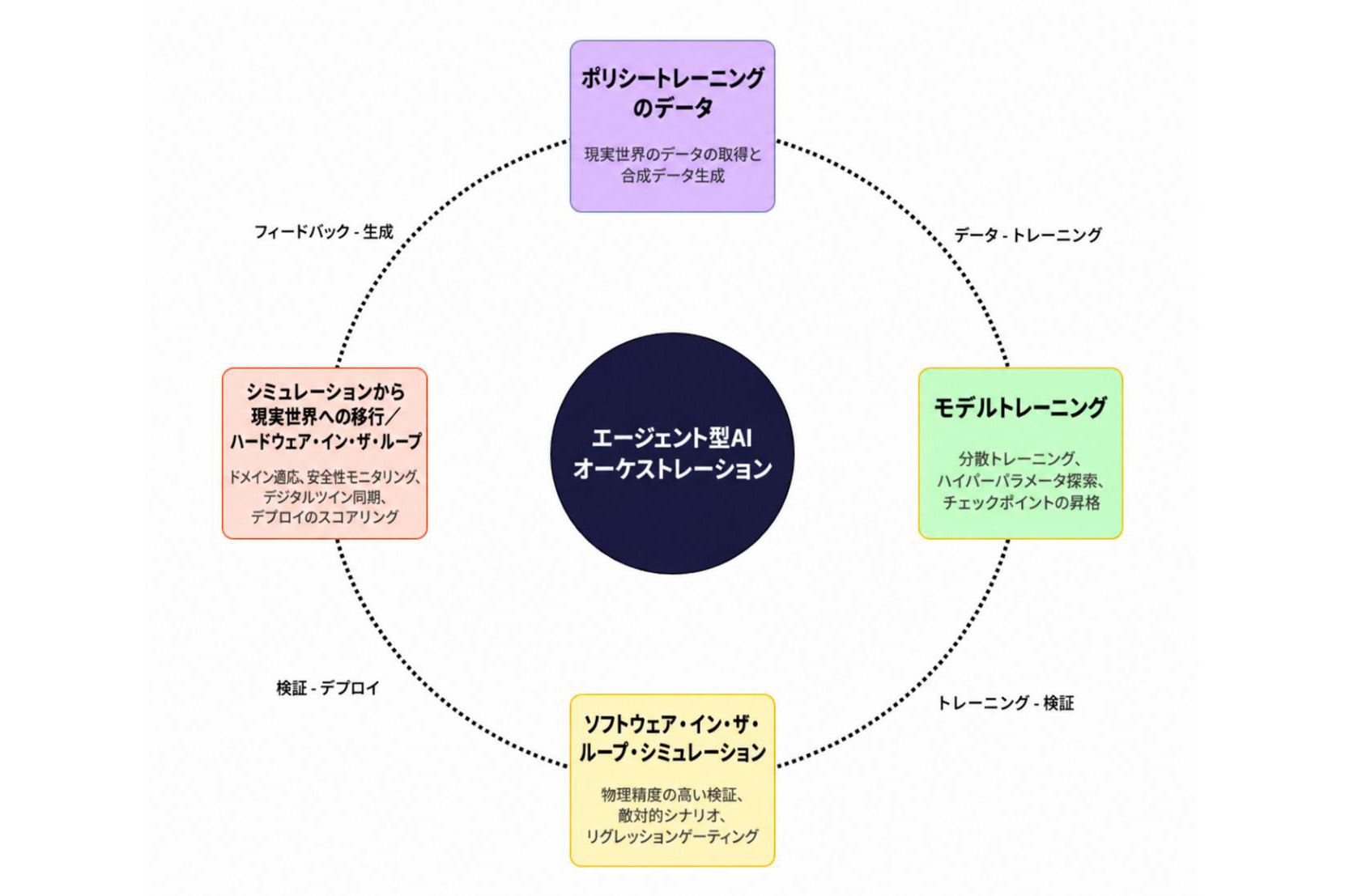
AWS released the Physical AI Toolchain on AWS, a publicly available collection of reference architectures, Inf…
Analog Devices Inc. released a whitepaper on the race to physical AI, arguing that success requires advances a…

Boston Dynamics' Atlas, now all-electric and running on NVIDIA chips, autonomously sorts roof racks at Hyundai…