What happened
Rabbit is rolling out OS3, a standalone AI agent that runs in the cloud but operates locally across Windows, Mac, and Linux devices without requiring its hardware, and you can add up to five devices to one account.
Why it matters
The cloud-but-local design means the agent can work across your existing computers, not just one company's gadget, and you can pick your own AI models.
What to watch
Whether OS3's privacy promise holds, since Rabbit says it won't store, copy, use, or sell your data but will keep chats and memories on its servers. Watch for the launch within "months."
WHO IT HITSThis lands on individual users and IT teams who want an AI agent that works across their existing Windows, Mac, and Linux machines rather than buying dedicated hardware, and who will need to weigh Rabbit's privacy promise against the fact that chats and memories stay on its servers.
Summaries like this, in your inbox every morning.
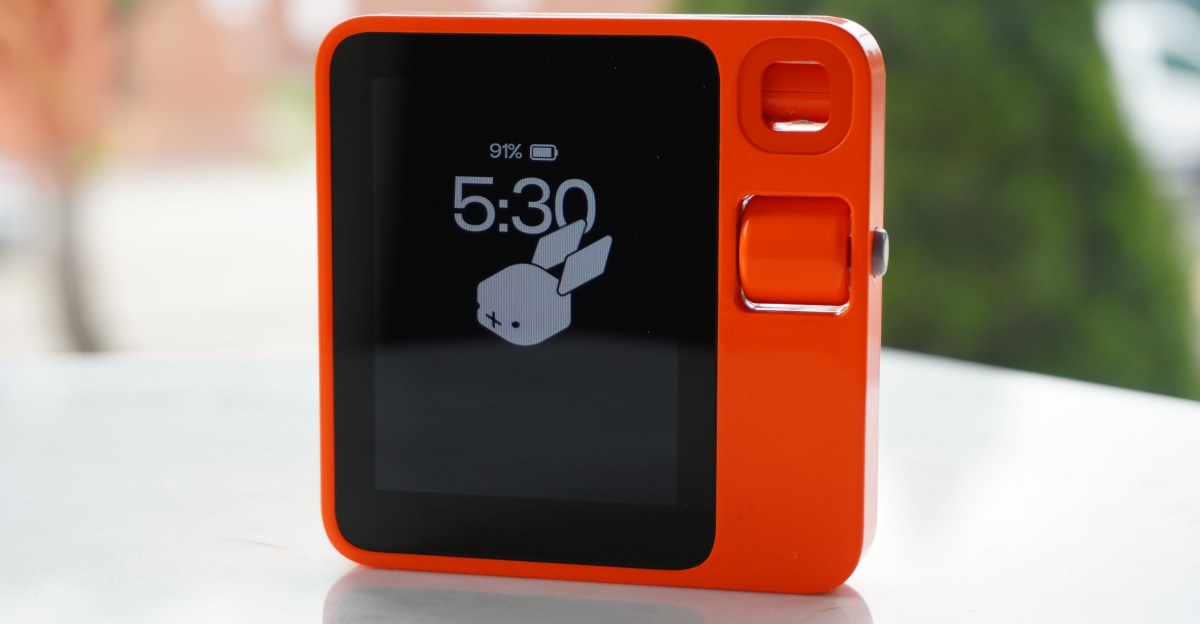
Rabbit's original pitch was a dedicated pocket device, the R1, which reviewers widely panned as underwhelming. Now the company is decoupling its software from that hardware altogether: OS3 is a standalone AI agent that touches Windows, Mac, and Linux machines you already own. That shift matters because it lowers the barrier to trying Rabbit's technology — no gadget purchase required — while also letting users bring their preferred AI models and up to five devices under one account.
The move comes alongside a hardware pivot. Founder Jesse Lyu tells Wired that Rabbit has stopped manufacturing R1 devices, focusing instead on a new vibe-coding "cyberdeck" that will run OS3 when it launches within "months." That suggests the company is not abandoning hardware, but rethinking what form it should take now that the agent can live in the cloud and operate locally across existing computers.
One open question is privacy. Rabbit claims OS3 won't store, copy, use, or sell your data, but it also notes that it will keep your chats and memories on its servers, and that other AI providers linked to OS3 will handle your data under their own privacy rules. How smoothly that arrangement works — and whether users trust it — is likely to shape how widely the agent gets adopted beyond Rabbit's existing fans.
For example, today's edition would include:
AI-summarized, only the topics you pick — one digest a day via Email, LINE, or Slack.
Free · 30 seconds with Google · unsubscribe anytimeWhat is AIToday? →
Ask AI anything about this article. Q&As are published on this page for other readers too.
A New York Times columnist gave control of everyday tasks to Meta's AI agent and came away impressed

Palo Alto Networks announced Unit 42 Continuous Frontier AI Defense, an annual-subscription service that pairs…

ServiceNow raised its 2026 subscription revenue midpoint, citing strong demand for its workflow platform, AI-f…

Palo Alto Networks unveiled an AI-powered cybersecurity service that uses Claude and GPT models

Axios exclusively reported that a major cybersecurity vendor has introduced a new service aimed at fighting AI…
DEEPX, a South Korean AI semiconductor company, is reportedly conducting a proof of concept with a US smart gl…