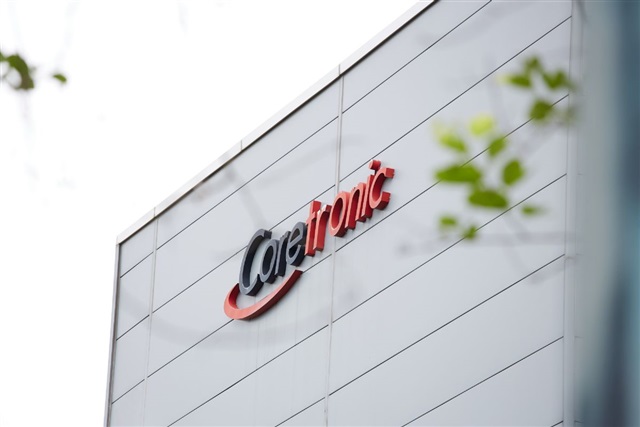
Strong demand from the AI industry is siphoning memory chip supply away from consumer electronics, creating a supply squeeze that Coretronics' president warned will likely affect projector shipments in the third quarter of 2026 and continue to pressure the PC and TV markets. The semiconductor supply is being diverted to meet AI infrastructure needs, leaving fewer chips available for traditional consumer devices.
Summaries like this, in your inbox every morning.
Sign up free →What happened
Coretronics president Sarah Lin said at an earnings call on July 28, 2026, that strong AI industry demand is crowding out projector supply and creating tighter memory availability, which is expected to weigh on PC and TV shipments.
Why it matters
AI's hunger for memory chips is diverting semiconductor supply away from consumer electronics like PCs and televisions, which rely on the same components. This supply pressure may affect when and how many devices reach market, potentially impacting prices and availability for consumers and businesses buying these products.
What to watch
Coretronics expects the crowding-out effect to affect shipments in third-quarter 2026, and the memory supply pressure is expected to persist in the PC and TV markets going forward.
At an earnings call on July 28, 2026, Coretronics president Sarah Lin outlined the competitive pressure the company and its customers are facing from AI-driven semiconductor demand. She identified a clear crowding-out effect in the projector supply chain, where memory and other components normally allocated to projector production are being diverted to AI infrastructure. This supply constraint is expected to measurably affect Coretronics' shipments in the third quarter of 2026. Beyond projectors, Lin noted that the broader PC and TV markets face similar headwinds. Rising AI-driven memory demand is not expected to ease; instead, tighter supply conditions are forecast to continue weighing on these consumer electronics segments. The comment reflects a wider industry shift in which semiconductor manufacturers are prioritizing AI-related orders and allocating production capacity accordingly, leaving traditional consumer device makers to compete for remaining supply at higher prices or with longer lead times.
The semiconductor industry is experiencing a fundamental reallocation of supply driven by the surge in AI infrastructure investment. Memory chips, which are critical components in projectors, PCs, and TVs, are now competing against vastly larger AI compute deployments for limited manufacturing capacity. Coretronics' warning signals that this is not a temporary bottleneck but an expected structural shift: the memory demand from AI is described as ongoing, with pressure expected to persist in the PC and TV sectors. This crowding-out effect reveals how rapidly capital and resources are flowing toward AI infrastructure at the expense of mature consumer electronics categories.
AI-summarized, only the topics you pick — one digest a day via Email, Slack, or Discord.
Free · takes 30 seconds · unsubscribe anytime
No comments yet. Be the first to share your thoughts!
Log in to join the discussion


Get curated AI news from 200+ sources delivered daily to your inbox. Free to use.
Get Started FreeFree · takes 30 seconds · unsubscribe anytime
