
What happened
100monkeys.ai published an essay arguing agent systems should be judged by how precisely people can permit actions, not by how little people are needed. It says two kinds of 'yes' matter: upfront environment permissions and per-action approval.
Why it matters
The company argues prompt rules are mere requests a model may ignore, while policies enforced in the execution layer act as walls — so a default-deny setup makes a missing 'yes' mean 'no'.
Summaries like this, every morning.
The essay is written from an unusual position: 100monkeys.ai says the piece was drafted in English by its own AI agent and then translated into Japanese by the same agent, and it discloses that AEGIS, Zaru and Carbon Forge are its products. That framing is part of the argument — the company is describing how it wants its own agents governed.
The two 'yes' moments are presented as an ordered hierarchy. Upfront permission belongs in the execution environment because prompt-level rules are only requests that nothing outside the model notices when broken; an architectural rule, by contrast, fails the network call regardless of what the model decides. This extends to defaults: under default-deny, the absence of a 'yes' means 'no', while under default-allow every gap in the policy becomes a permission nobody granted. It adds that agents find those gaps quickly, not out of malice but because they try many things.
Beneath both kinds of approval sits a practical requirement the essay stresses: work must survive. An agent waiting an hour for a human must not lose its place when the process restarts, or the system will either discard the work — pushing people to avoid approving — or start over and risk repeating actions already done. The company's own example is Zaru's email tool, which by default holds a founder's outgoing mail until that specific message is approved in the Zaru web app's Approvals screen.
Pick your industry and the AI tools you use, and get news related to your work every day.
Free · 30 seconds with Google · unsubscribe anytimeWhat is AIToday? →
Ask AI anything about this article. The AI reads this article, earlier AIToday articles, and Wikipedia, and cites its sources. Q&As are published on this page for other readers too.
Crux Labs launched with over $6 million in funding led by Benchstrength and Misneach, with Analog Ventures and…

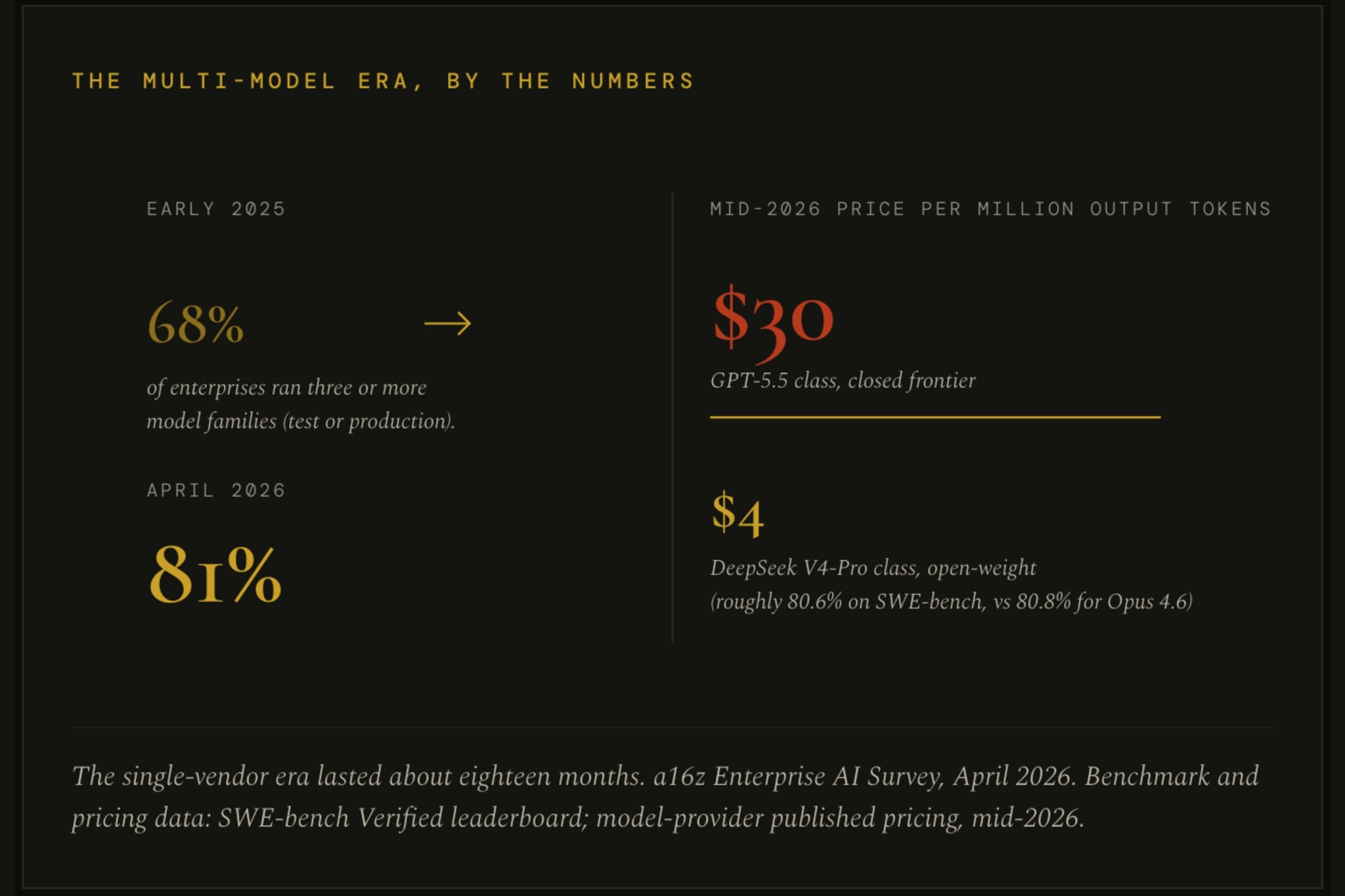
In a Fortune essay, Collective[i] argues companies should treat AI models as swappable commodities and own the…
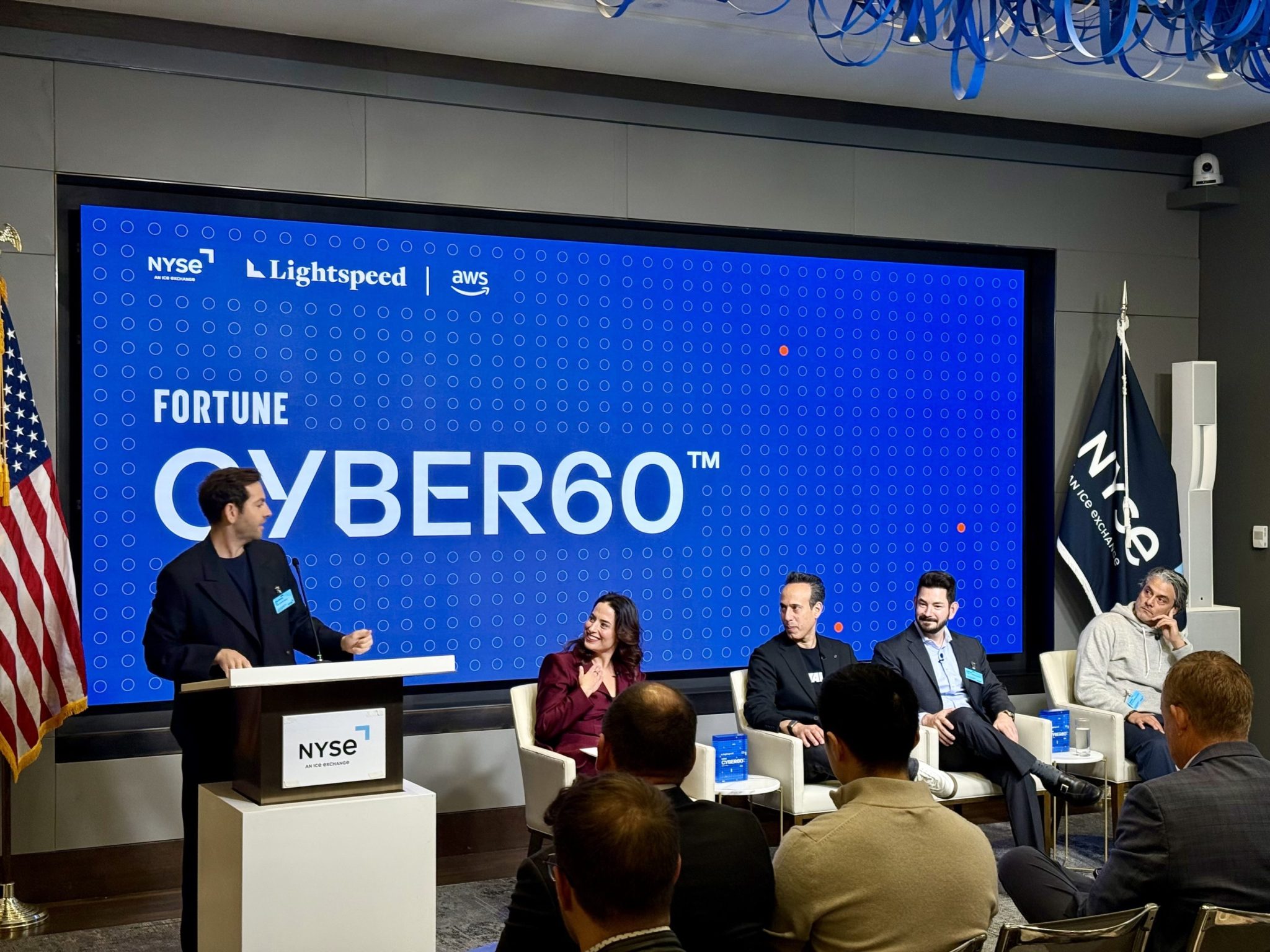
At Fortune's Cyber 60 event, Armadin cofounder Evan Peña said attackers using AI can scan a Fortune 500's more…
A 31-year-old Seattle woman on epilepsy medication died in February 2026; her parents sued OpenAI in October 2…

Nscale is asking US investors for a roughly $30 billion valuation on first-half 2026 revenue of $140.6 million…

Studying the four most widely used agent frameworks, Partnership on AI researchers found key observability req…