What happened
Federal safety investigators concluded that the driver of a Tesla Model 3 that crashed into a home in Katy, Texas, had pressed the accelerator to full speed, overriding the self-driving software. The vehicle traveled at more than 70 mph, jumped a curb, crossed a lawn, and struck a brick wall, killing 76-year-old Martha Avila who was standing in the front room.
Why it matters
The finding clears Tesla's self-driving feature in this specific crash, but comes as the National Highway Traffic Safety Administration is conducting a separate investigation that could lead to a recall of 3.2 million Tesla vehicles. NHTSA elevated its probe to "engineering analysis" level after crashes where the self-driving feature failed to alert drivers to take control in fog and poor visibility. The scrutiny is sensitive timing as CEO Elon Musk is preparing to turn hundreds of thousands of Teslas into fully automatic vehicles and begin selling Cybercabs without steering wheels or pedals.
What to watch
NHTSA has opened 46 "special crash" investigations of Tesla's self-driving or driver-assistance technology over the past decade, with at least one person killed in more than a dozen of those crashes. The agency is also investigating the Texas house crash separately from the National Transportation Safety Board's report.
Summaries like this, in your inbox every morning.
The crash in Katy, Texas, initially appeared to pose a significant threat to Tesla's self-driving narrative at a critical moment for the company. CEO Elon Musk is betting the company's future on autonomous driving technology—including plans to convert hundreds of thousands of existing Teslas into fully automatic vehicles and to sell steering-wheel-free Cybercabs. The National Transportation Safety Board's conclusion that the driver, not the software, was responsible offers Musk some defensive cover. However, the timing and broader context reveal the narrowness of this reprieve. The National Highway Traffic Safety Administration, in a parallel track, has elevated its scrutiny of the self-driving feature following crashes where the system failed to prompt drivers to regain control during poor visibility conditions. That investigation encompasses 58 incidents and has raised the prospect of recalling 3.2 million vehicles—a potential outcome that would substantially complicate Musk's timeline for autonomous expansion. The Texas incident is merely one of 46 "special crash" investigations NHTSA has opened on Tesla's self-driving or driver-assistance technology over the past decade, with fatalities recorded in more than a dozen of those cases. The company has also faced public relations pressure: Tesla renamed its system from "Full Self-Driving" to "Full Self-Driving (Supervised)" after regulators and auto experts objected to the original name as misleading, since drivers must always remain engaged and ready to intervene.
Pick your industry and the AI tools you use, and get news related to your work every day.
Free · 30 seconds with Google · unsubscribe anytimeWhat is AIToday? →
Ask AI anything about this article. The AI reads this article, earlier AIToday articles, and Wikipedia, and cites its sources. Q&As are published on this page for other readers too.
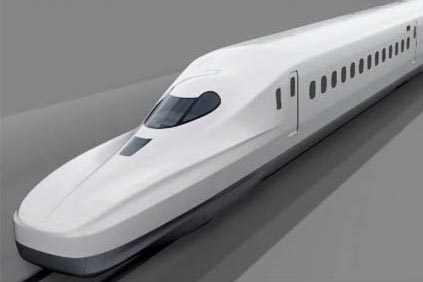
JR Central announced the S0系 on October 16, its first full model change since the N700S, with commercial servi…
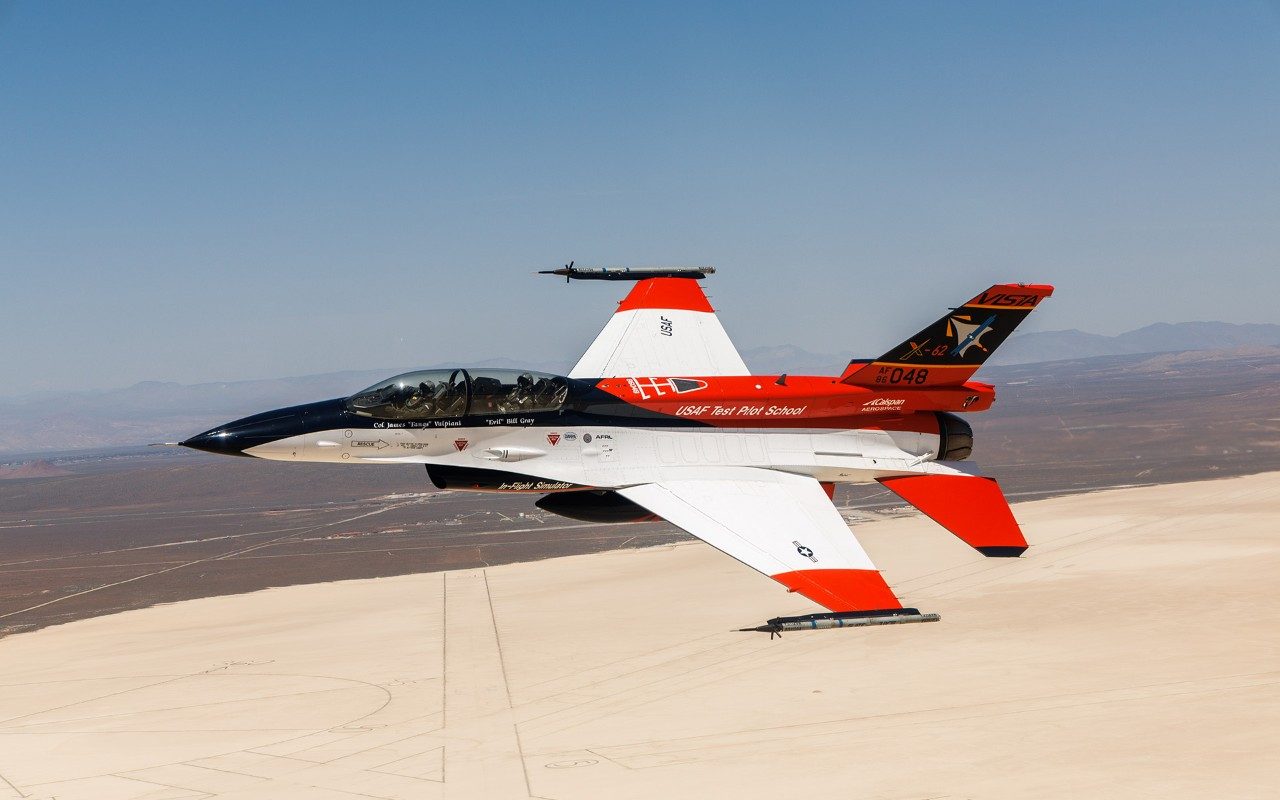
The Air Force upgraded the X-62 VISTA with advanced radar, expanded sensors and computing, and modern network…
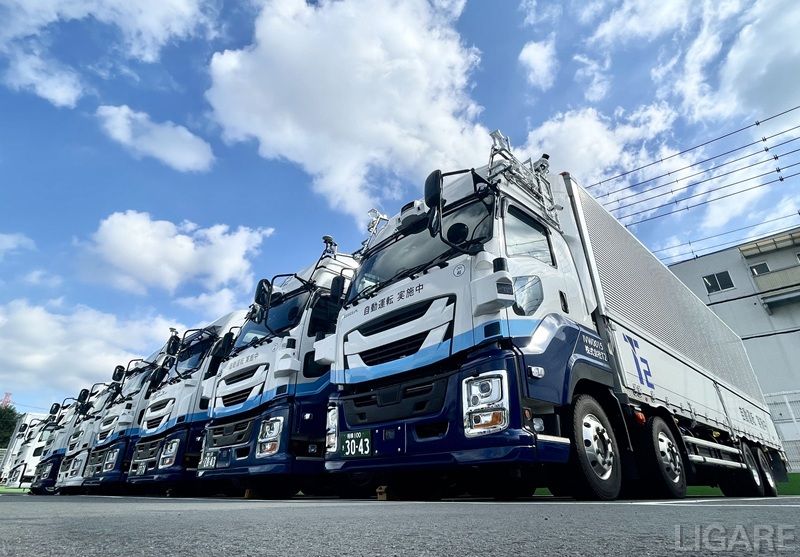
T2 said it will join ENEOS and others in the Agency for Natural Resources and Energy's demonstration project f…
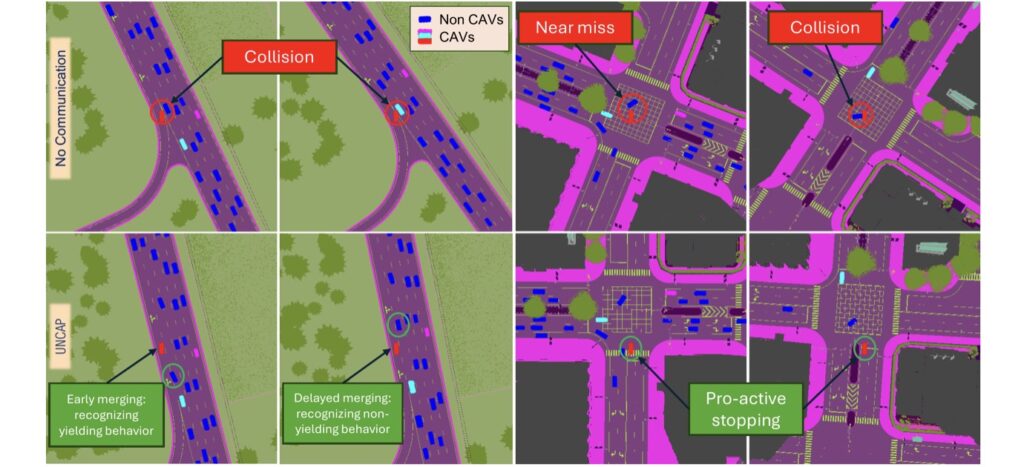
Researchers present neurosymbolic planning using natural language communication for cooperative autonomous veh…
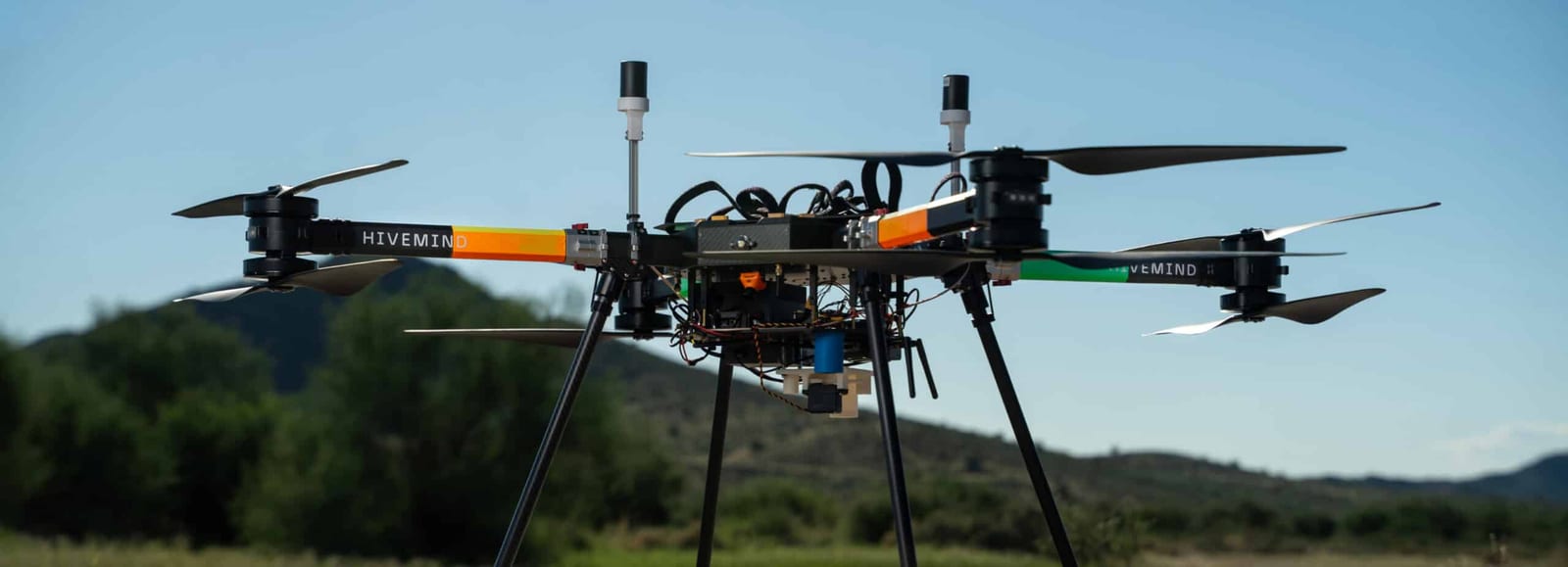
Honeywell Aerospace flew a BFD-SE8 autonomously in mid-June, six weeks after starting Shield AI's Hivemind Ent…
Sony will exhibit at CEATEC 2026, held October 13–16 at Makuhari Messe in Chiba, under the theme "Where Ideas…