What happened
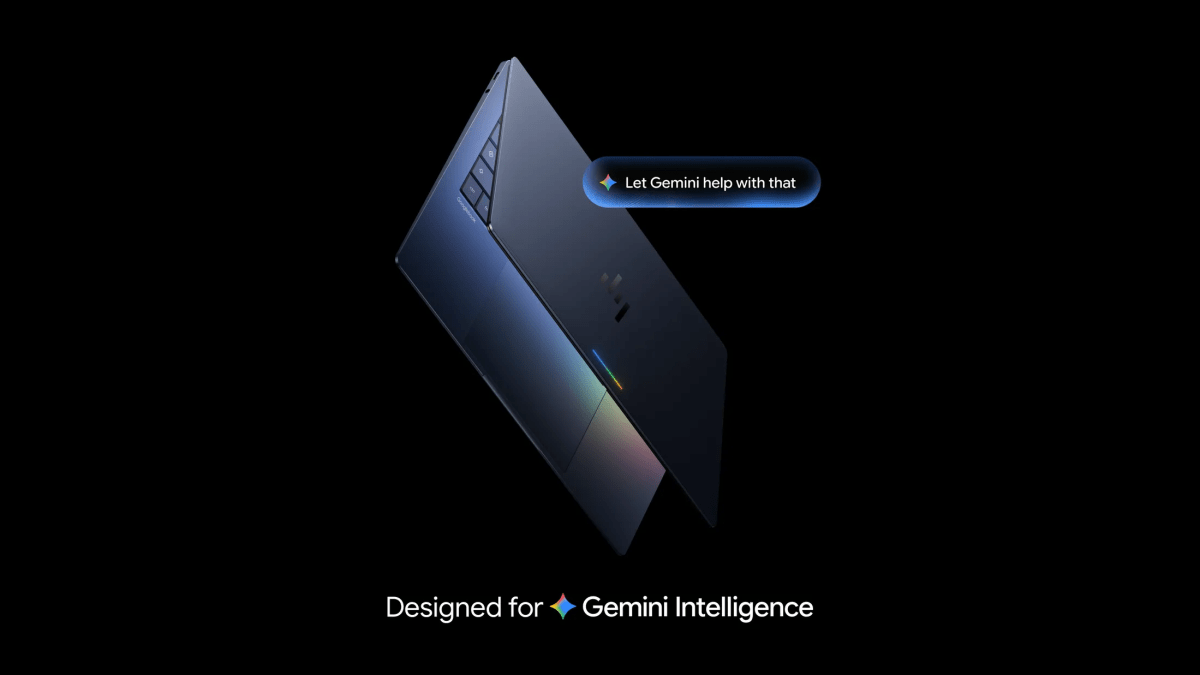
Google said its AI-native Googlebook laptop is now available for pre-order at $899, after first being unveiled in May. It ships October 4 in the U.S. and includes 12 months of Google AI Pro.
Why it matters
The company is betting that built-in AI features, rather than apps users install or open in a browser, can convince people to buy a new laptop. The devices could eventually replace older school laptops and bring those users to Google's AI.
What to watch
The article argues the AI cursor, called Magic Cursor, and the cleanup-dictation tool are nice-to-have rather than must-have features, so the pre-order hinges on whether buyers see the built-in AI as reason enough. Watch the October 4 U.S. on-sale date.
WHO IT HITSIT buyers at schools and districts running Chromebook fleets, plus general laptop shoppers, will weigh whether built-in AI features justify replacing working hardware; Google has said current Chromebooks remain supported.
Summaries like this, in your inbox every morning.
Google first showed the Googlebook in May, positioning it as a step up from traditional Chromebooks. It runs Android OS with a desktop version of Chrome and other familiar ChromeOS elements, but its pitch rests on Gemini features built into the desktop experience rather than installed apps. Google has said current Chromebooks will continue to be supported, though many would become eligible to transition to the new Googlebook experience in the future.
The company has framed the device as part of a longer-term plan to reach the K-12 market now served by Chromebooks. Google has said there are somewhere around 50 million Chromebooks in schools, used by students and educators, and the Googlebook could eventually replace them, potentially bringing those users to Gemini AI. The article notes that comparison points exist: Android's Circle to Search offers a similar gesture-based way to reach Google's AI, and it did not by itself spark a mass shift to Android.
Whether the bet pays off appears to hinge on whether buyers treat built-in AI as a reason to replace working hardware, since the article judges the AI cursor and the dictation cleanup tool as nice-to-have rather than necessary. For schools and other fleet buyers, the practical question may be timing and support: the devices ship starting October 4 in the U.S., and Google says they will receive updates for up to 10 years.
For example, today's edition would include:
AI-summarized, only the topics you pick — one digest a day via Email, LINE, or Slack.
Free · 30 seconds with Google · unsubscribe anytimeWhat is AIToday? →
Ask AI anything about this article. Q&As are published on this page for other readers too.
Microsoft CEO Satya Nadella was expected at this week's White House state dinner for Chinese President Xi Jinp…
Meta shares rose as much as 7.6% Monday after Wells Fargo analyst Ken Gawrelski raised his price target to $79…
Meta rallied 6.5% on Monday, lifting the Nasdaq 100 by 2.15%, while Arm surged 15%, Intel jumped 13% and AMD c…

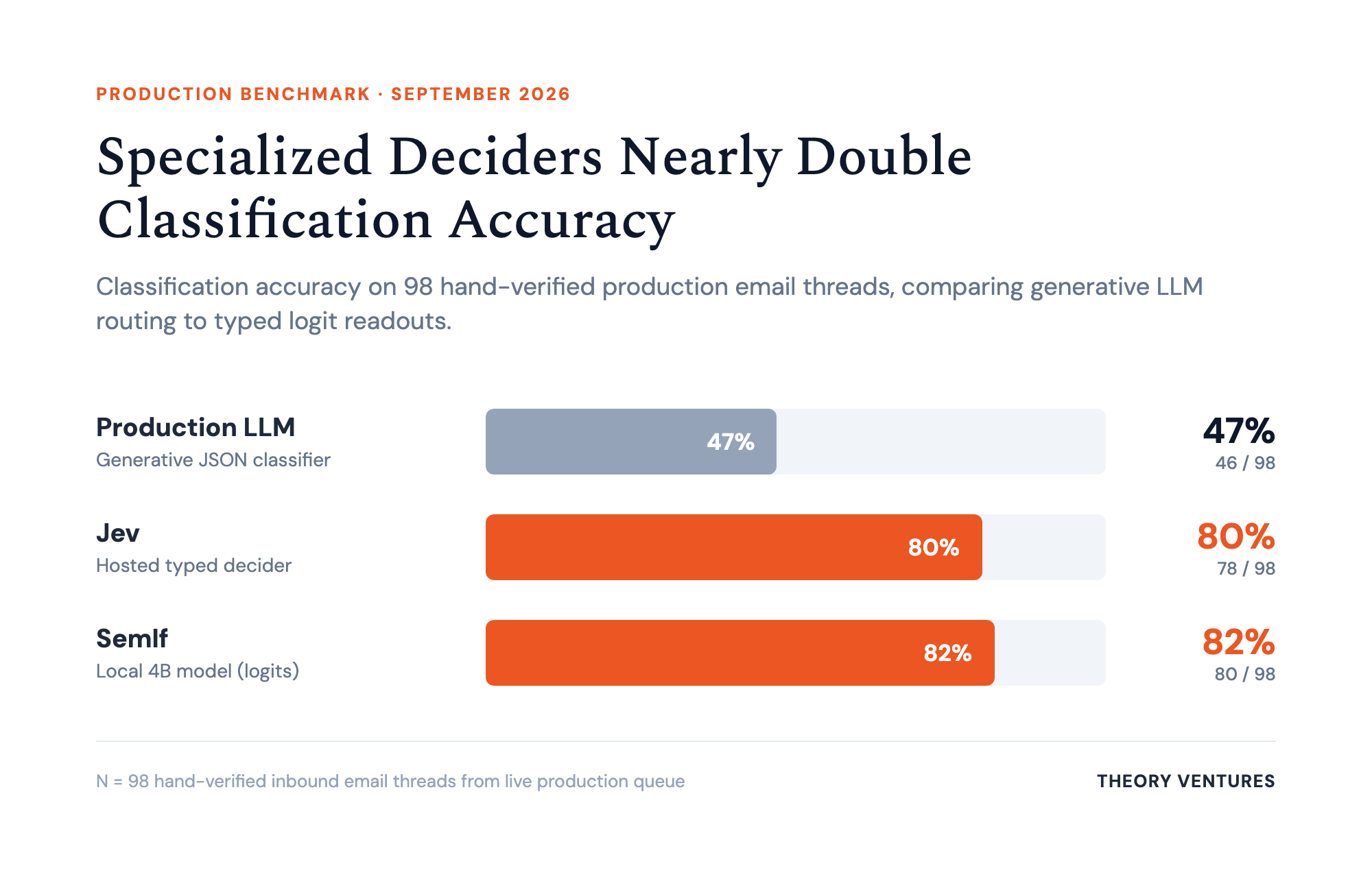
Tom Tunguz describes a new wave of AI 'deciders' — Jev and SemIf — built for if-then questions like 'if planta…
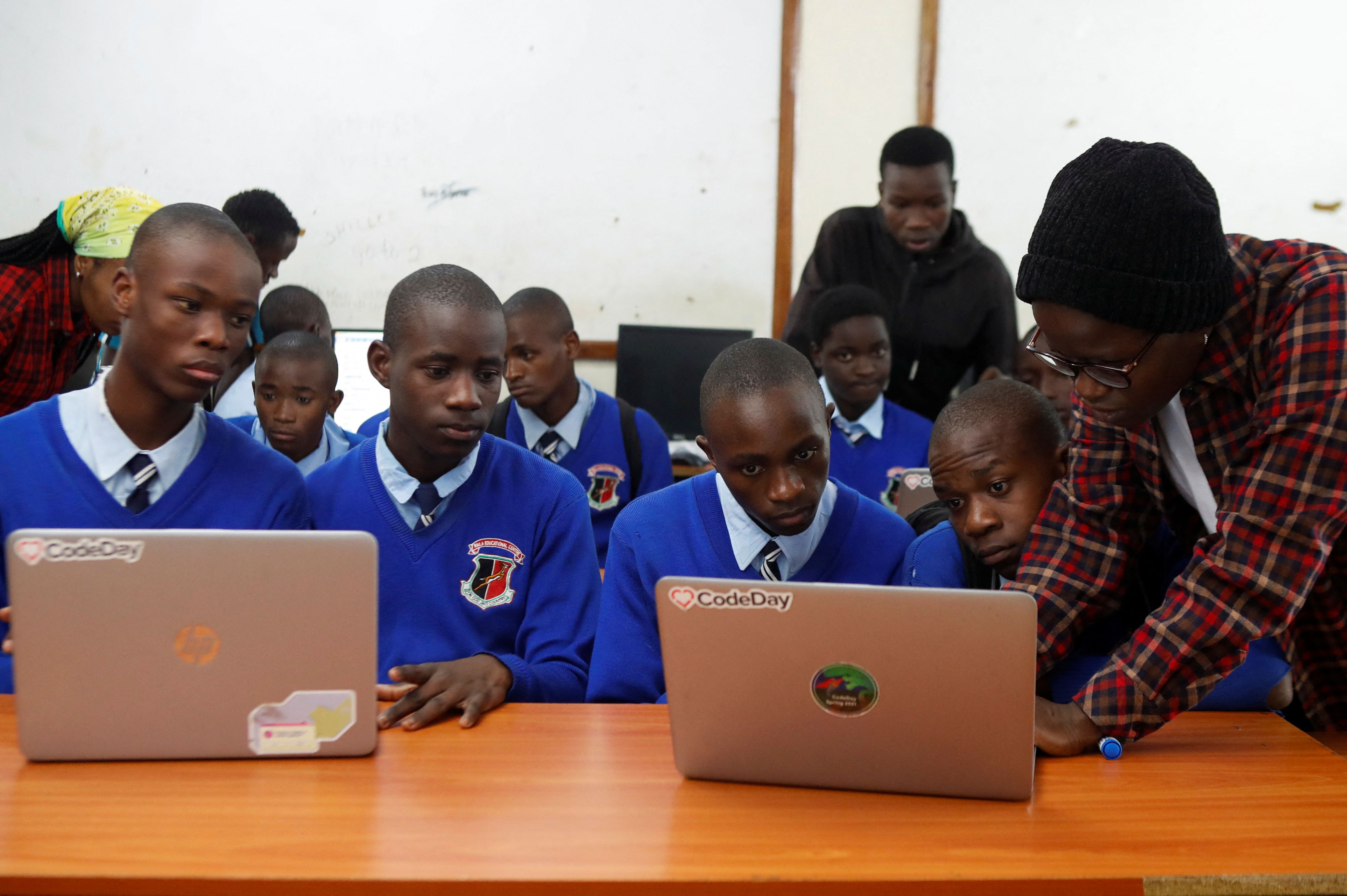
The Gates Foundation is committing at least $1 billion over the next two years to make AI work across more lan…
Apple is paying $250 million to settle claims it failed to deliver an AI-upgraded Siri