What happened
Meta's Q3 revenue rose 26% to $64.6 billion, above the $63.3 billion analysts expected, but operating income fell 37% to $13 billion after a $10 billion youth-safety settlement, and free cash flow was negative $2.1 billion.
Why it matters
The settlement charge halved Meta's operating margin, showing that legal costs tied to its products can weigh on profitability even as revenue grows, while negative free cash flow signals the AI spending is consuming cash.
Summaries like this, in your inbox every morning.
Meta's third-quarter results land in a week when the company also faced a $25 billion penalty order from a New Mexico judge over the Cambridge Analytica data privacy scandal. That order, which Meta plans to appeal, followed a jury finding of more than 43 million violations. The youth-safety settlement and the New Mexico order together show that legal liabilities from Meta's past and present products are now large enough to swing quarterly profits.
On the AI side, Meta's Superintelligence Labs launched its first frontier model, Muse Wonder, to the public a week before earnings. The company's capital expenditures jumped to $34.9 billion from $19.4 billion a year ago, and it slightly tweaked full-year capex guidance to $135 billion to $145 billion. Analyst Melissa Otto of S&P Global noted that consensus capex for 2026 had risen more than $14 billion since April to about $140 billion, almost double 2025, and that investors continue to want clarity on how that spending will translate into shareholder returns.
Free cash flow of negative $2.1 billion, compared to $10.6 billion a year ago, highlights how the AI buildout is consuming cash even as revenue grows. The broader tech infrastructure spending picture, per Otto, shows capex expected to reach $790 billion in 2026 and $1.2 trillion in 2027.
Pick your industry and the AI tools you use, and get news related to your work every day.
Free · 30 seconds with Google · unsubscribe anytimeWhat is AIToday? →
Ask AI anything about this article. The AI reads this article, earlier AIToday articles, and Wikipedia, and cites its sources. Q&As are published on this page for other readers too.
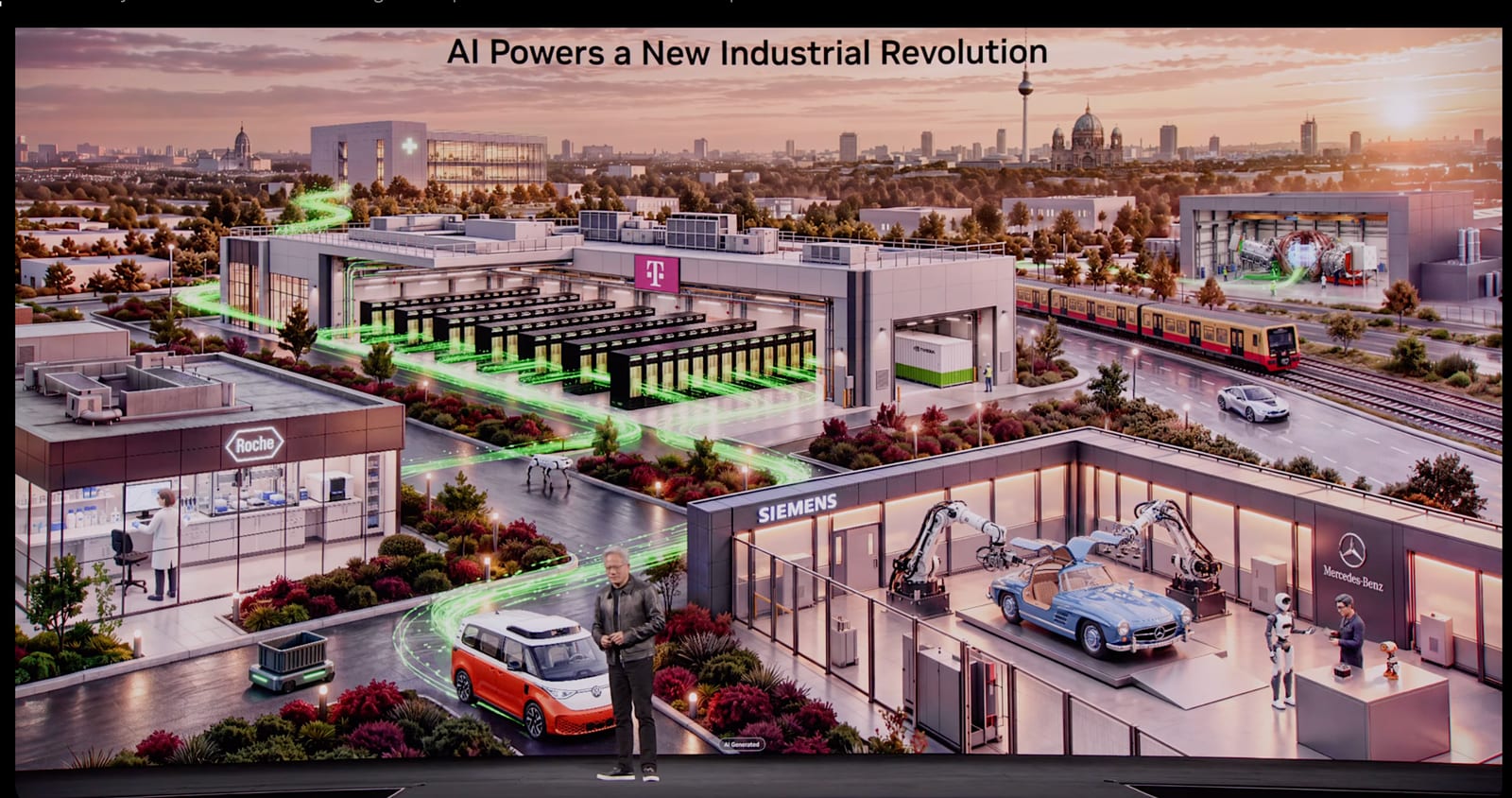
At GTC Berlin, Jensen Huang introduced DSX POD — seven Vera Rubin NVL72 racks per container — and said deploym…
AI and high-performance computing are pushing PCBs toward higher layer counts and denser, higher-performance m…
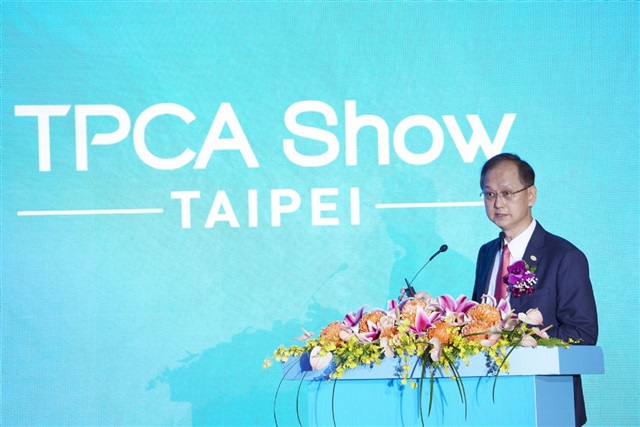
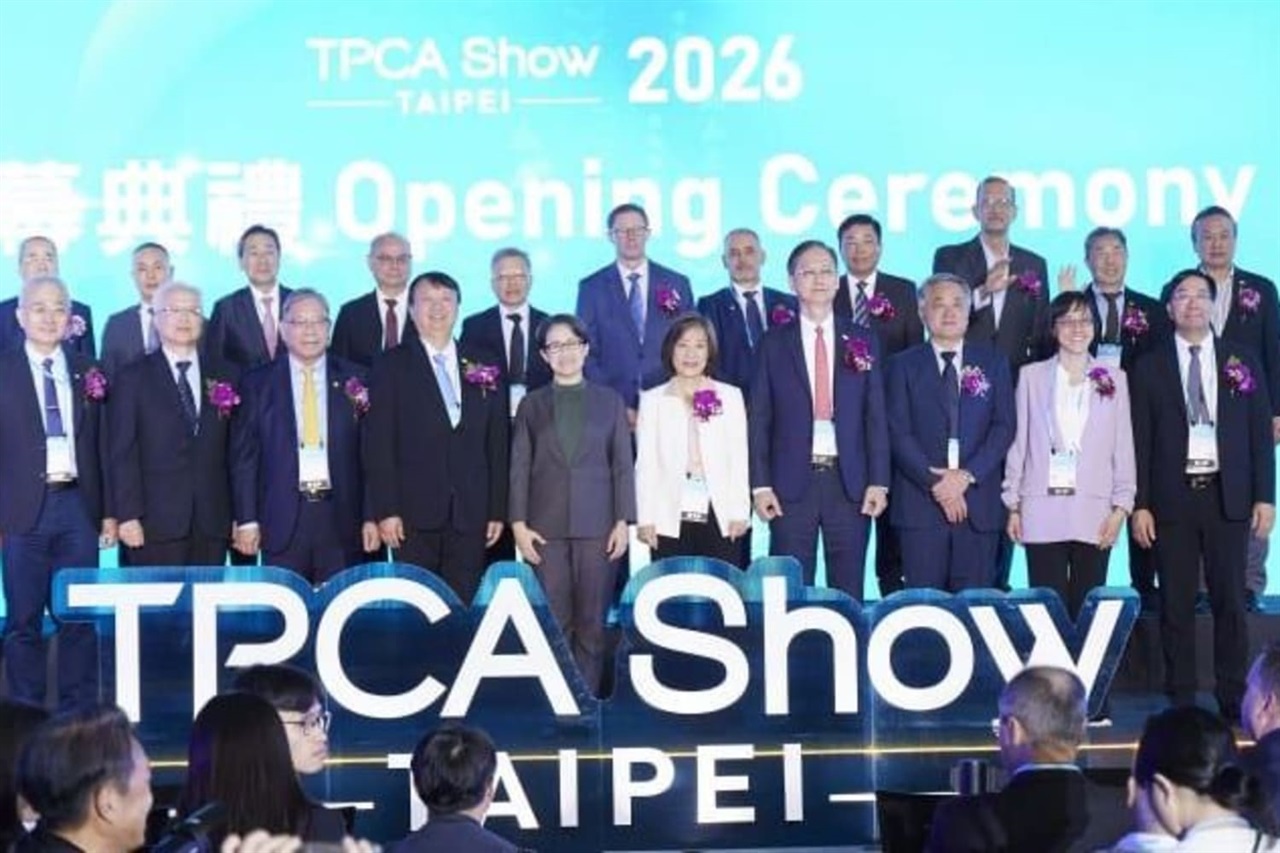
Vice President Hsiao Bi-khim opened the 27th TPCA Show 2026 in Nangang on October 20 and urged the PCB industr…
Opposable launched an AI agent that operates Android phones via accessibility services and iPhones through a c…

Vertiv and NVIDIA launched an AI factory framework at NVIDIA GTC Berlin, targeting up to 30% higher cumulative…

On Meta's third quarter earnings call, CEO Mark Zuckerberg said the company has a goal of serving billions of…